%2Ffit-in%2F250x250%2Fguide_websites%2F461%2Fimages%2Frich%20adler%20horizontal%20v2.png&w=1920&q=100)
White Grunt Catch in West Palm Beach - Fishing Charter
White Grunt Fishing in West Palm Beach - What to Expect
%2F%2Fusers%2F33cfca0a-ab78-43c3-9e45-e9d8978f141f%2Fimages%2Fwhite-grunt-catch-west-palm-3074.jpg&w=1920&q=75)
Fishing Charter by Captain Rich Adler in December

Meet your Captain Rich Adler
- Palm Beach Sportfishing - Tuna, Wahoo and more!




Summary
Reel in the action on a fishing charter in West Palm Beach, where white grunt are biting hard. This Wednesday in April brought explosive strikes and expert guidance from Captain Rich Adler of Tuna Wahoo Charters, delivering the thrilling catch moments every angler chases.
Fishing Charter with Captain Rich Adler - Rates & Booking
Captain Rich Adler of Tuna Wahoo Charters hit the water on Wednesday, April 16 with anglers ready to tackle white grunt in West Palm Beach. His fishing charter delivers fast-paced action targeting these aggressive bottom dwellers off the Riviera Beach coast. The charter combines expert local knowledge with proven techniques that consistently put fish on the line.
When you book with Captain Rich, you're getting a licensed guide with deep expertise in West Palm Beach waters. The fishing charter includes all necessary tackle and guidance to land quality catches. Anglers of all skill levels find success here - whether you're a seasoned veteran or stepping onto a charter boat for the first time. Reserve your spot online to secure your date and join the action.
Highlights of Your Fishing Adventure
White grunt provide incredible strike energy and hard-fighting action throughout the day. These bottom fish hit fast and pull strong, creating the exact moments that keep anglers coming back. West Palm Beach's nearshore structure creates ideal habitat for trophy-sized white grunt that challenge your skills and deliver non-stop excitement.
Captain Rich's approach to the fishery means you'll be positioned right where the bite is hottest. The charter targets proven hotspots with precision, maximizing your chances for that perfect catch. Every day brings different conditions, but the fundamentals remain the same - skilled guidance, responsive tactics, and relentless pursuit of fish.
Local Species Insights: White Grunt
White grunt are aggressive predators that thrive in West Palm Beach's coastal structure and deeper nearshore waters. These fish typically school up on hard bottom and artificial reefs, responding explosively to live bait and targeted presentations. What makes white grunt so thrilling is their immediate, hard-hitting bite - they don't hesitate, they attack.
These bottom-hugging fighters demonstrate predictable feeding patterns throughout the day, particularly during peak tidal windows. White grunt exhibit competitive behavior within their schools, meaning when one hits, others follow quickly. The visual spectacle of a white grunt strike combined with their powerful runs makes every session memorable. Captain Rich uses this behavior pattern to orchestrate consistent action, positioning the boat and bait presentation to trigger multiple hookups throughout your time on the water.
The West Palm Beach environment supports year-round white grunt populations, but spring through early summer represents peak season for size and abundance. Water conditions in April create ideal feeding windows, with recent tidal activity and warming temperatures triggering aggressive foraging behavior. The nearshore reefs and structure that white grunt call home also support excellent overall fishery diversity, meaning your charter day brings multiple species opportunities alongside your primary target.
Successful white grunt anglers focus on precision baiting and quick response times. These fish live near bottom and respond to vertical presentations more effectively than trailing methods. The charter's structure-focused approach means you'll spend time directly over productive zones rather than searching open water. This targeted strategy, combined with Captain Rich's expertise reading the bite, creates the conditions for explosive action and memorable catches that define a successful West Palm Beach fishing day.
Fishing in West Palm Beach: White Grunt
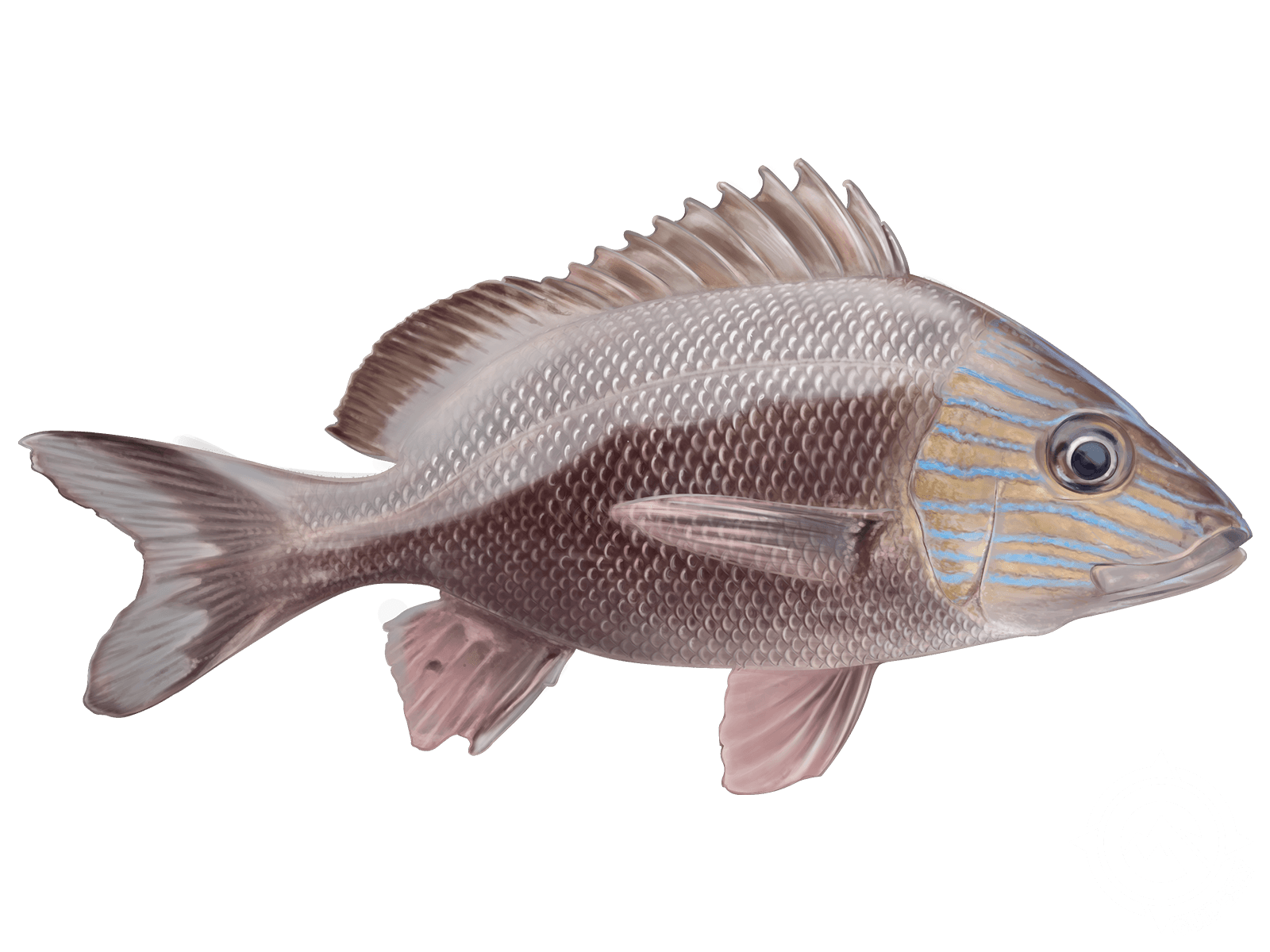
White Grunt Overview
The White Grunt (Haemulon plumierii) is a fascinating member of the Haemulidae family within the order Perciformes, native to the Atlantic Ocean and widely recognized as one of the most engaging game fish for recreational anglers. Known by multiple colorful nicknames—including flannelmouth grunt, redmouth grunt, boar grunt, and Key West grunt—this species is instantly recognizable by its striking silvery-blue to creamy yellow body adorned with vertical blue and yellow stripes, a distinctive red snout, and an elegant almond-shaped silhouette. What makes the White Grunt truly special is the audible "grunting" sound it produces by grinding its pharyngeal teeth, a behavior that has fascinated anglers and coastal residents from the Florida Keys to the Caribbean for generations. The species thrives in diverse marine environments and remains a cornerstone of recreational fishing experiences throughout its native range.
White Grunt Habitat and Distribution
The White Grunt flourishes throughout the Western Atlantic, with its range extending from Chesapeake Bay south through the Gulf of Mexico and Caribbean waters all the way to Brazil. These adaptable fish are commonly found in reefs, docks, and mangrove ecosystems, preferring shallow waters that typically range from the shoreline down to approximately 98 feet in depth, though specimens occasionally venture into deeper hard-bottom habitats reaching 115 feet. Young White Grunts tend to inhabit inshore nursery areas, while mature individuals spend more time in offshore and backcountry environments. The species demonstrates remarkable versatility in habitat selection, capable of thriving in both natural reef structures and artificial environments like pier pilings and rocky outcrops, making them accessible to anglers fishing from shore, boat, or kayak throughout most coastal regions of the southeastern United States.
White Grunt Size and Weight
On average, the White Grunt ranges from 6 to 14 inches in length and typically weighs between 2 to 6 pounds when encountered by recreational anglers. However, larger specimens do exist—historical records document White Grunts reaching up to 20 inches and weighing as much as 15 to 20 pounds, though these trophy-sized fish are considerably less common. The species exhibits a typical lifespan of 9 to 12 years in the wild, allowing ample opportunity for anglers to pursue both juvenile fish in shallow waters and more substantial adults in deeper offshore zones. The gradual growth pattern means that patience and proper technique often yield better-sized specimens for both catch-and-release enthusiasts and those interested in a culinary experience.
White Grunt Diet and Behavior
As nocturnal and opportunistic carnivores, White Grunts display fascinating feeding behavior that makes them highly responsive to angler presentations. Adult fish primarily feast on mollusks, echinoderms, annelids, and benthic crustaceans—especially shrimp—which they hunt along sandy bottoms and around reef structures during low-light hours. Juvenile White Grunts begin their dietary journey consuming copepods and plankton before transitioning to bottom-dwelling prey as they mature. This species is equally notable for its social and aggressive territoriality; White Grunts confront rivals by pushing each other on the lips with mouths agape in dramatic displays of dominance. The famous "grunting" vocalization—produced by grinding pharyngeal teeth and amplified by the air bladder—serves as a distress call and becomes particularly audible when fish are hooked by anglers. White Grunts face predation from sharks, barracuda, lizardfishes, groupers, and snappers, shaping their cautious yet aggressive feeding strategies.
White Grunt Spawning and Seasonal Activity
While specific spawning details for the White Grunt remain somewhat understudied compared to other game fish, the species demonstrates distinct seasonal patterns influenced by water temperature, lunar cycles, and reproductive biology. Peak activity typically occurs during warmer months when inshore and backcountry populations become most concentrated and responsive to angler efforts. Juveniles are more prevalent in shallow, protected nursery habitats during spring and early summer, while adults migrate toward deeper offshore structures as water temperatures fluctuate. Understanding these seasonal movements is crucial for anglers planning trips—targeting shallow mangrove areas during cooler months often yields consistent results, while summer fishing frequently benefits from deeper reef and wreck presentations. The species' year-round availability in most of its range means opportunities exist throughout the calendar, though local conditions and water temperatures should guide tactical decisions.
White Grunt Techniques for Observation and Capture
Hook and Line Method: The most popular and accessible technique for targeting White Grunts involves standard hook-and-line fishing with natural baits. Shrimp—both live and dead—rank as the premier choice, though cut mullet, squid, and small crustaceans also produce excellent results. Cast near structure such as mangroves, dock pilings, rocky outcrops, and reef edges, allowing baits to settle near the bottom where these fish hunt. Early morning and late afternoon periods, particularly around dusk, coincide with peak feeding activity. Light to medium spinning or conventional tackle rated for 10-20 pound test works ideally, allowing for sensitivity while maintaining sufficient backbone for hooksets. Around the Florida Keys and throughout the Caribbean, this approach yields consistent success both from shore-based structures and small boats operating in backcountry flats.
Artificial Lure Presentation: White Grunts readily respond to small artificial lures including jigs (1⁄2 to 1 ounce), small soft plastics (3-4 inches), and compact topwater plugs. Bounce jigs slowly along the bottom near rocky areas and reef edges, maintaining contact with the substrate where these bottom feeders hunt. Soft plastic presentations rigged on light jigheads allow for precise depth control and natural swimming action. The species' opportunistic nature means lures should mimic available prey—shrimp imitations and small fish profiles consistently outperform larger offerings. This method excels during daylight hours when visual presentations trump scent-based triggers.
Commercial Capture Methods: Professional fishermen employ seines, bottom trawls, and fish traps to capture White Grunts at commercial scales, though recreational anglers need not employ such techniques. These methods highlight the species' bottom-dwelling habits and schooling behavior—information valuable for understanding where to concentrate fishing efforts.
Local Tip—South Florida Waters: Anglers fishing the shallow backcountry around Biscayne Bay, the Marquesas Keys, and the shallow reefs off the Florida Keys should focus on dawn and dusk periods, targeting structure in 6-15 feet of water with live shrimp on light spinning tackle. The White Grunt's preference for tight cover means accurate casting to specific targets—mangrove prop roots, dock supports, and small coral heads—yields dramatically better results than blind casting into open water.
White Grunt Culinary and Utilization Notes
The White Grunt has earned considerable respect in culinary circles for its flaky white flesh, mild flavor, and excellent texture when properly prepared. The species' meat remains delicate and sweet, making it ideal for pan-frying, baking, or incorporating into fish stews and ceviche. While the White Grunt possesses limited commercial value in modern seafood markets, it remains a cherished eating fish for recreational anglers and coastal communities. In Florida cuisine, "Grits and Grunts"—a traditional Lowcountry dish combining stone-ground cornmeal (grits) with White Grunt—represents a celebrated culinary tradition. The fish's sustainability profile appears favorable, with the IUCN not currently listing the species as vulnerable or endangered, making it an ethical choice for harvest-oriented anglers. For those practicing catch-and-release, the White Grunt's hardiness and strong constitution ensure excellent survival rates when handled carefully. Beyond culinary use, the species' brilliant coloration and hardy temperament have made it a popular aquarium pet, particularly in saltwater hobby systems where specimens display their distinctive striping and behavioral patterns.
White Grunt Frequently Asked Questions
Q: What is the best bait for catching White Grunts?
A: Live or dead shrimp rank as the premier bait choice, though cut mullet, squid, and small crabs also produce excellent results. The species' preference for bottom-dwelling prey means presenting baits near the seafloor in 6-20 feet of water yields the most consistent success. Cast near structure and allow baits to settle naturally rather than constant movement.
Q: Where can I find White Grunts near the Florida Keys?
A: White Grunts thrive throughout the Keys in shallow backcountry areas, particularly around mangrove edges, dock pilings, and small rocky reefs in 6-15 feet of water. The shallow waters surrounding Biscayne Bay, the Marquesas Keys, and the reef systems off Key West offer excellent opportunities. Early morning and dusk periods coincide with peak activity, though the species remains available year-round.
Q: Is the White Grunt good to eat?
A: Yes, absolutely. The White Grunt features flaky white flesh with a mild, sweet flavor that anglers and chefs consistently praise. Pan-frying with butter and lemon represents a classic preparation, though the meat adapts well to baking, stewing, or ceviche applications. The traditional Lowcountry dish "Grits and Grunts" showcases the species' culinary potential. The species demonstrates a favorable sustainability profile, making it an ethical choice for harvest-oriented anglers.
Q: When is the best time to catch White Grunts?
A: White Grunts are nocturnal feeders, making early morning (pre-dawn through mid-morning) and late afternoon through dusk the prime periods. The species remains available year-round, though warmer months typically concentrate populations in accessible shallow water. Fishing around structure during these low-light windows maximizes your chances of connecting with this opportunistic species.
Q: How do White Grunts make their distinctive grunting sound?
A: The White Grunt produces its characteristic "grunt" by grinding its pharyngeal teeth located in the back of its throat. This grinding motion is amplified by the fish's air bladder, creating an audible vocalization that serves primarily as a distress call. Anglers frequently hear this sound when White Grunts are hooked or handled—a unique and memorable aspect of the angling experience.
Q: What equipment do I need to fish for White Grunts?
A: Light to medium spinning tackle rated for 10-20 pound test line works ideally, allowing sensitivity while maintaining sufficient power for reliable hooksets. Pair your spinning reel with a 6-7 foot rod for optimal accuracy and control in backcountry and inshore environments. Small hooks (sizes 2-4) rigged with shrimp, along with lightweight jigs (1⁄2-1 ounce) or small soft plastics, round out a complete White Grunt setup suited for recreational success.