%2Ffit-in%2F250x250%2Fguide_websites%2F461%2Fimages%2Frich%20adler%20horizontal%20v2.png&w=1920&q=100)
Caught Little Tunny Offshore in West Palm Beach
Little Tunny Fishing in West Palm Beach
4.8

20 Reviews
- 5
 90%
90% - 45%
- 35%
- 2
 0%
0% - 10%
%2F%2Fusers%2F33cfca0a-ab78-43c3-9e45-e9d8978f141f%2Fimages%2Flittle-tunny-fishing-riviera-beach-11250.png&w=1920&q=75)
The Euthynnus Alletteratus belongs to the order Perciformes and family Scombridae. It typically measures between 24 and 48 inches in length, with a weight range from 5 to 15 lbs. Habitat: onshore, nearshore, offshore. - Little Tunny is a variant of tuna, also known as Bonita, False Albacore, or Little Tuna. - These fish are migratory and typically head south during Winter or Fall.
Fishing Charter by Captain Rich Adler in December

Meet your Captain Rich Adler
- Palm Beach Sportfishing - Tuna, Wahoo and more!




Summary
Captain Rich Adler of Tuna Wahoo Charters on Friday June offers prime offshore fishing adventures from Riviera Beach City Marina. These 4-hour family-friendly fishing charters target Little Tunny, Mahi Mahi, and Mutton Snapper using deep sea trolling, kite fishing, and drift fishing techniques. June brings warm waters and active gamefish close to the surface, making it an ideal time for both experienced anglers and beginners to experience world-class Palm Beach offshore fishing. The charter includes fishing licenses, professional guidance, and accommodates up to 5 guests for an unforgettable day on the water with consistent action and beautiful scenery.
Fishing Charter with Captain Rich – Rates & Booking
Captain Rich Adler of Tuna Wahoo Charters on Friday June runs these 4-hour offshore fishing adventures from Riviera Beach City Marina. The trip accommodates up to 5 guests and includes all fishing licenses, with rates covering professional guidance and access to prime fishing grounds. Bring cash for live bait costs and mate tip, while food and beverages are welcome aboard. Book online to secure your spot for this family-friendly Palm Beach fishing experience that targets seasonal gamefish using multiple proven techniques.
Highlights of Family-Friendly Palm Beach Fishing Charters
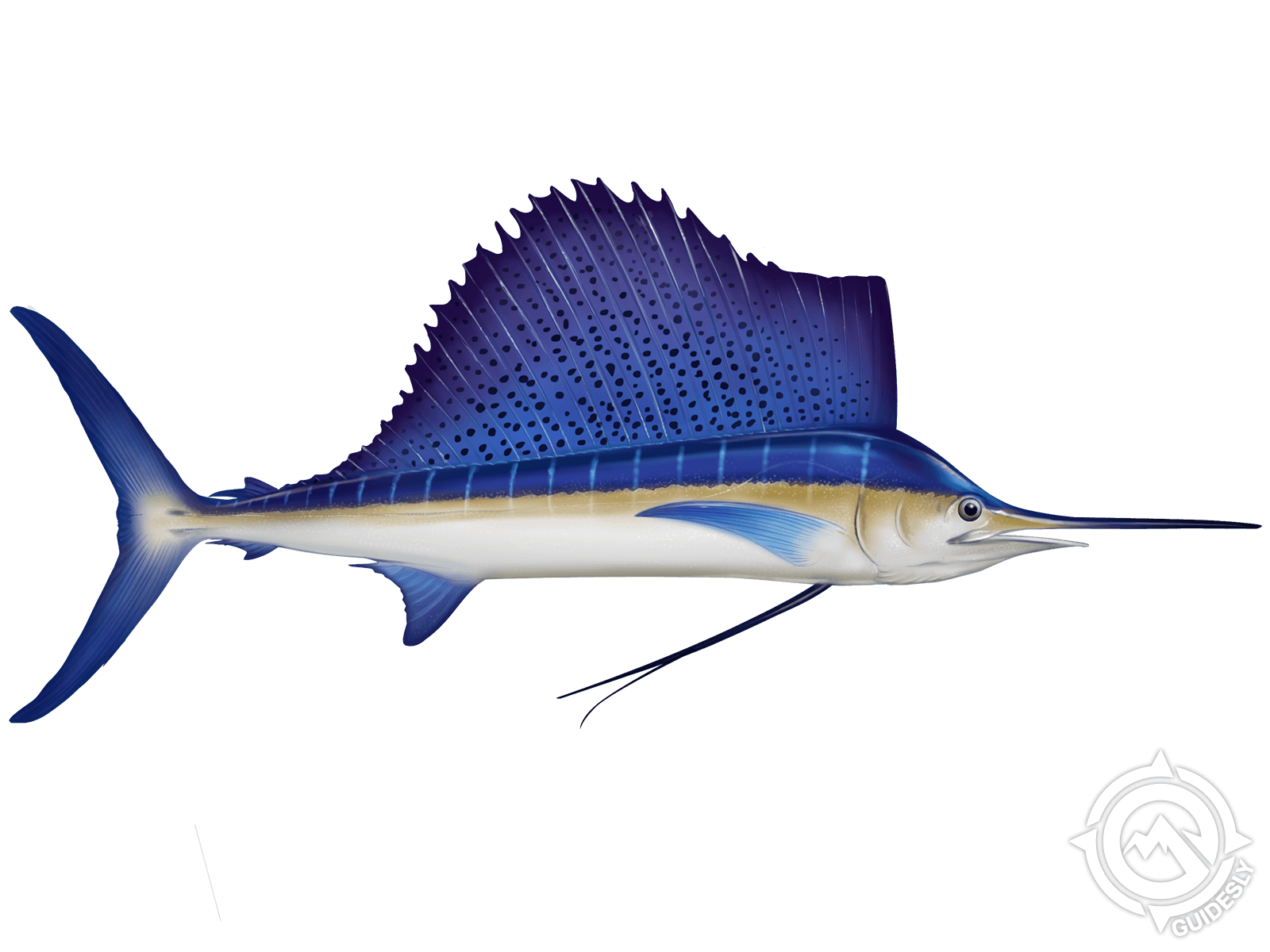
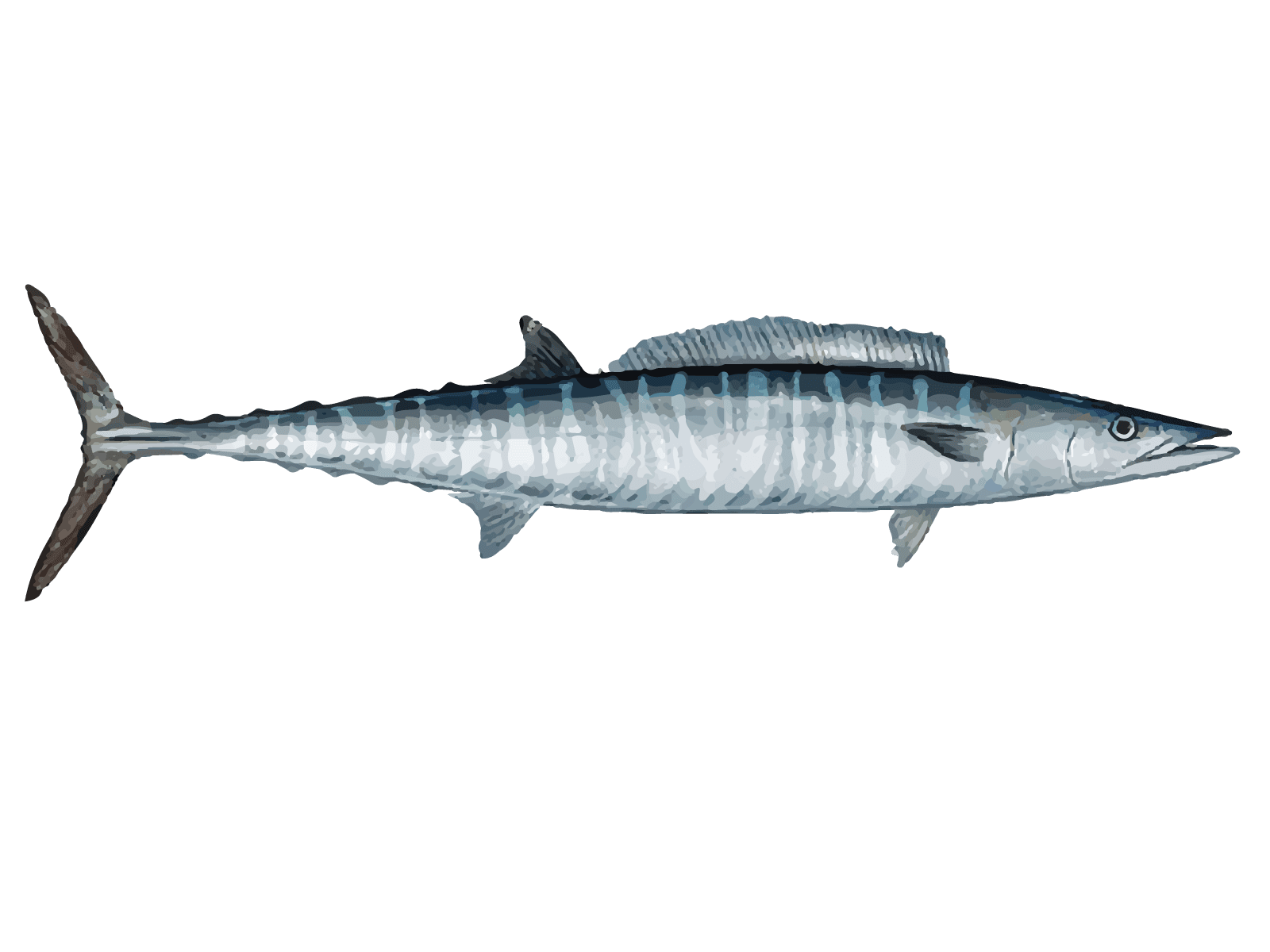
This offshore charter combines deep sea trolling, kite fishing, and drift fishing to maximize your chances at Little Tunny, Mahi Mahi, Sailfish, Wahoo, Tuna, Snapper, and Grouper based on seasonal migrations. The 7:30 AM departure from Riviera Beach City Marina gets you on the water during prime feeding times when gamefish are most active.
Captain Rich's local expertise shines through his ability to read water conditions and adjust techniques throughout the trip. Whether you're working different depths with heavy tackle or watching kites dance in the breeze, every moment offers potential for that next hookup and the excitement of fighting fish in Palm Beach's pristine offshore waters.
Local Species Insights: Little Tunny
Little Tunny thrive in the warm June waters around West Palm Beach, where they school up and feed aggressively near the surface. These smaller tuna relatives put up impressive fights for their size, often jumping and stripping drag when hooked. Captain Rich targets them using a combination of trolling and drift fishing techniques, positioning the boat where current breaks and temperature changes concentrate baitfish that attract these fast-moving predators.
Plan Your Fishing Charter Day
Your 4-hour adventure begins at Riviera Beach City Marina with a quick safety briefing and gear setup. The charter boat is equipped for offshore fishing with quality rods, reels, and tackle suitable for the target species. Captain Rich provides all necessary equipment and expertise, while the 5-person capacity ensures personalized attention and plenty of room to fight fish comfortably throughout your Palm Beach fishing experience.
Fishing in West Palm Beach: Little Tunny
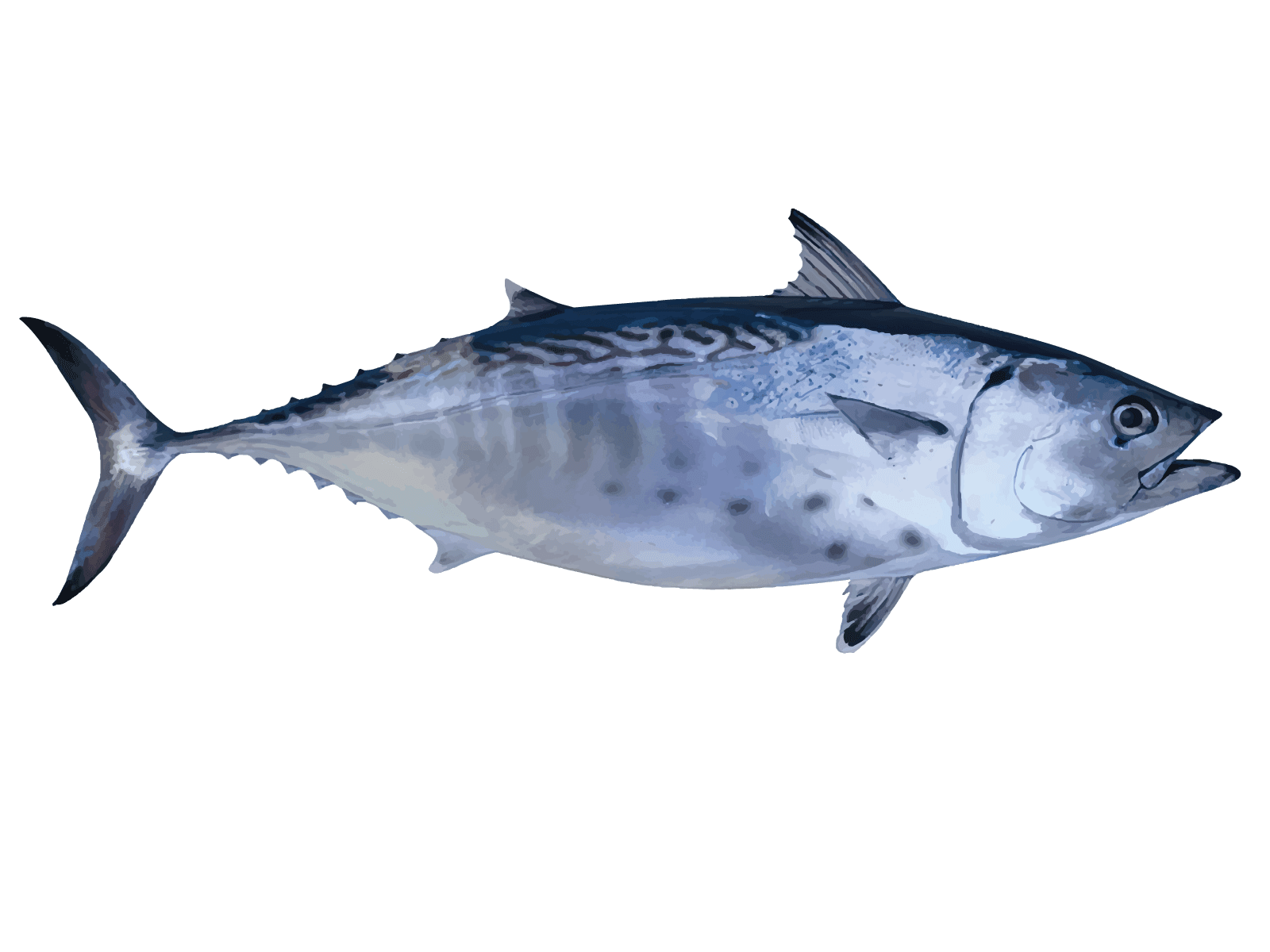
Little Tunny (Euthynnus alletteratus), also known as False Albacore or Bonita, belongs to the order Perciformes and family Scombridae. This smaller tuna relative is prized by anglers for its aggressive strikes and acrobatic fights. In West Palm Beach waters this June, these schooling fish provide consistent action for offshore fishing charters.
Little Tunny Overview
Little Tunny are fast-swimming pelagic fish that travel in schools as a defense mechanism against larger predators. They're considered one of the smaller tuna variants, making them an excellent target species for family-friendly fishing trips where multiple hookups are common.
Little Tunny Habitat and Distribution
These fish inhabit onshore, nearshore, and offshore waters throughout the Atlantic. Around Riviera Beach, they're commonly found where current breaks and temperature changes concentrate baitfish, particularly during the warmer months when they move closer to shore.
Little Tunny Size and Weight
Typical Little Tunny range from 24 to 48 inches in length and weigh between 5 to 15 pounds. Their streamlined body and powerful tail make them capable of impressive speed bursts when hooked.
Little Tunny Diet and Behavior
These opportunistic feeders target small baitfish, squid, and crustaceans. They're most active during dawn and dusk feeding periods, though they can be caught throughout the day when schools are located and actively feeding near the surface.
Little Tunny Spawning Season
Spawning typically occurs in warmer waters during spring and summer months. During this time, they form larger schools and become more aggressive, making them easier targets for anglers using trolling and drift fishing techniques.
Little Tunny Fishing Techniques
Effective methods include trolling small spoons and feathers, drift fishing with live bait, and casting jigs to surface-feeding schools. In June around West Palm Beach, anglers find success using kite fishing techniques with live pilchards and trolling at varying depths to locate active schools.
Little Tunny Is It Good to Eat?
Little Tunny has dark, rich meat with a strong flavor that's best when prepared fresh. The meat is high in protein and omega-3 fatty acids. Many anglers prefer to bleed and ice them immediately for the best table quality, though some release them to fight another day.
Little Tunny Frequently Asked Questions
Q: What is the best bait for Little Tunny?
A: Live pilchards, sardines, and small jigs work well. Trolling small spoons and feathers at varying speeds is also highly effective.
Q: Where can I find Little Tunny near West Palm Beach?
A: Look for them around current breaks, temperature changes, and areas with active baitfish. They're often found in 60-200 feet of water offshore.
Q: Is Little Tunny good to eat?
A: Yes, when properly handled. The meat is dark and flavorful, similar to other tuna species, and is excellent when prepared fresh.
Q: When is the best time to catch Little Tunny?
A: Early morning and late afternoon are prime times, though they can be caught throughout the day when schools are actively feeding near the surface.