%2Ffit-in%2F250x250%2Fguide_websites%2F461%2Fimages%2Frich%20adler%20horizontal%20v2.png&w=1920&q=100)
Little Tunny Fishing Trip Near Riviera Beach
Little Tunny Fishing in West Palm Beach
%2F%2Fusers%2F33cfca0a-ab78-43c3-9e45-e9d8978f141f%2Fimages%2Flittle-tunny-west-palm-beach-3868.png&w=1920&q=75)
The Little Tunny belongs to the order Perciformes and family Scombridae. It typically measures between 24 and 48 inches in length, with a weight range from 5 to 15 lbs. - Found in onshore, nearshore, and offshore waters. - Known by multiple names including Bonita, False Albacore, and Little Tuna. - Forms schools as a defense mechanism and exhibits migratory behavior. - Heads south during Winter and Fall seasons.
Fishing Charter by Captain Rich Adler in August

Meet your Captain Rich Adler
- Palm Beach Sportfishing - Tuna, Wahoo and more!




Summary
Captain Rich Adler of Tuna Wahoo Charters on Sunday June delivered an outstanding offshore fishing charter in West Palm Beach waters. This deep sea fishing adventure showcased the incredible Little Tunny action that makes South Florida a premier destination for saltwater anglers. From jigging techniques to live bait presentations, the charter demonstrated why West Palm Beach fishing consistently produces memorable catches. The offshore waters near Riviera Beach offer excellent opportunities for both novice and experienced anglers targeting these feisty tunas. Book online to experience the thrill of deep sea fishing with a licensed local captain who knows these productive waters intimately.
Fishing Charter with Captain Rich Adler – Rates & Booking
Captain Rich Adler of Tuna Wahoo Charters on Sunday June offers comprehensive deep sea fishing experiences departing from West Palm Beach. Each charter includes all necessary tackle, bait, and safety equipment for targeting offshore species like Little Tunny, Great Barracuda, and Queen Triggerfish. The experienced captain provides hands-on instruction for jigging, trolling, and live bait techniques that consistently produce results in these productive waters. Trips accommodate families and anglers of all skill levels, with flexible scheduling and competitive rates available year-round.
Highlights of Deep Sea Fishing Adventure
This offshore charter showcases the diverse fishing opportunities available in West Palm Beach waters. The trip featured successful catches of Little Tunny using both jigging and trolling methods, demonstrating the effectiveness of varied techniques in these productive offshore grounds. Captain Rich's expertise with kite fishing and live bait presentations resulted in additional species including Great Barracuda and chunky Little Tunny that provided excellent action throughout the day.
The charter emphasizes family-friendly fishing experiences, with patient instruction and celebration of every catch. Young anglers receive special attention and coaching, making their first saltwater fishing experience memorable and confidence-building. The combination of technical fishing knowledge and personable guidance creates an ideal environment for both learning and enjoying the thrill of offshore angling.
Local Species Insights: Little Tunny
Little Tunny thrive in the offshore waters near West Palm Beach, where they form schools and actively feed on baitfish throughout the year. These fast-swimming tunas respond well to both trolling lures and vertical jigging techniques, particularly around structure and temperature breaks. In June, anglers find them in nearshore and offshore waters where they provide exciting fights on appropriate tackle. Their aggressive feeding behavior and willingness to strike various presentations make them excellent targets for both experienced anglers and those new to saltwater fishing.
Plan Your Fishing Charter Day
The charter departs from convenient West Palm Beach locations with all fishing equipment, bait, and safety gear provided. Captain Rich specializes in offshore and deep sea techniques including trolling, jigging, and live bait fishing that consistently produce results. The boat accommodates small groups for personalized attention and instruction, with flexible trip durations to match your schedule and fishing goals. All necessary licenses and equipment are included, allowing you to focus on enjoying the fishing experience and creating lasting memories on the water.
Fishing in West Palm Beach: Little Tunny
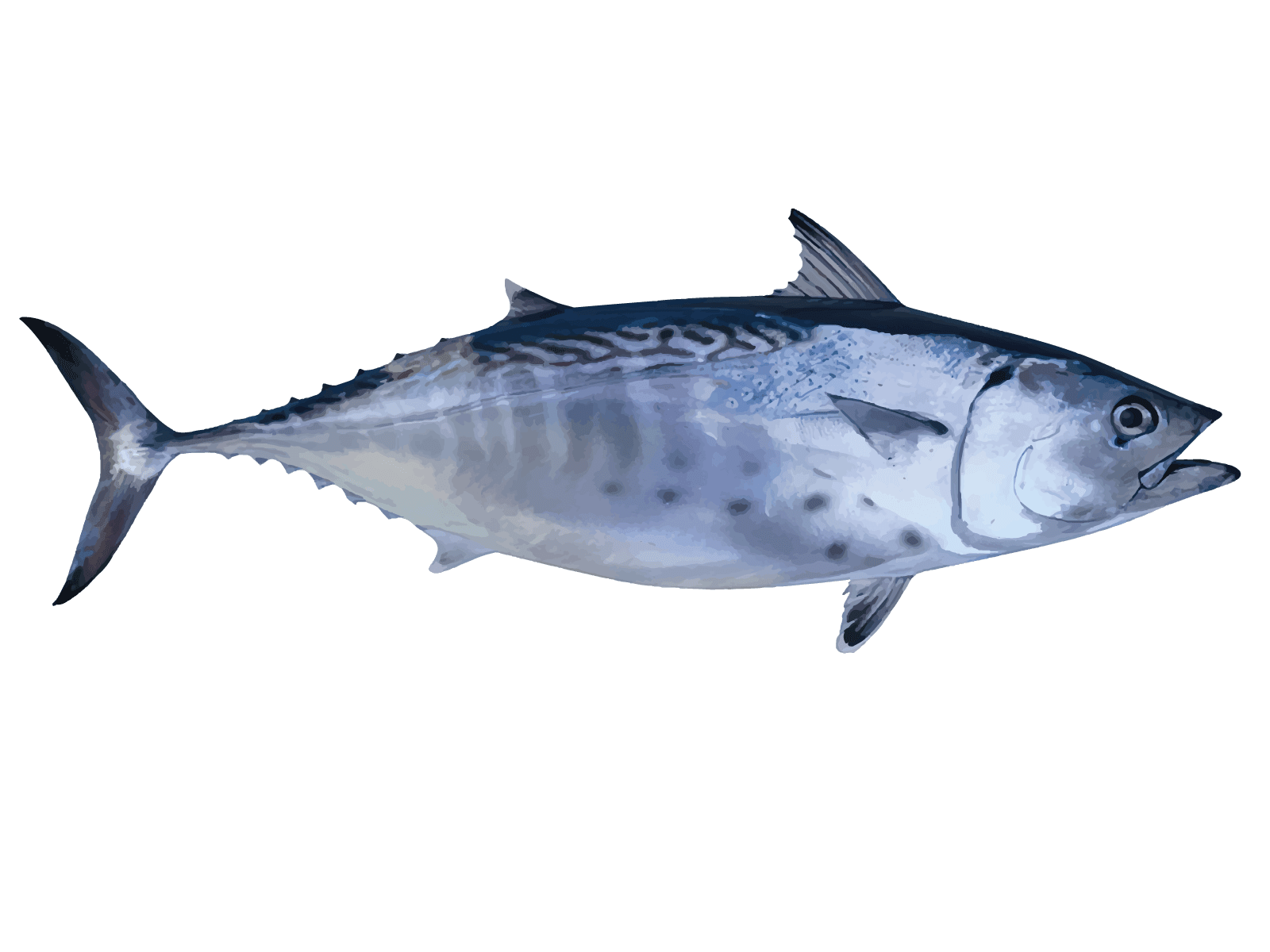
The Little Tunny (Euthynnus alletteratus) is a dynamic member of the Scombridae family and Perciformes order, commonly known as Bonita, False Albacore, or Little Tuna. This smaller tuna species combines the speed and power of its larger relatives with an aggressive feeding style that makes it a favorite target for West Palm Beach anglers. In June waters around Riviera Beach, these fish provide consistent action for both trolling and jigging enthusiasts.
Little Tunny Overview
Little Tunny represent one of the most accessible tuna species for recreational anglers, offering the excitement of tuna fishing without requiring the heavy tackle needed for larger species. They exhibit the classic tuna body shape with a streamlined profile, dark back, and distinctive wavy markings along their sides. These fish are prized for their fighting ability and willingness to strike a variety of lures and baits.
Little Tunny Habitat and Distribution
These tunas inhabit onshore, nearshore, and offshore waters throughout the Atlantic, making them readily available to charter boats operating from West Palm Beach. They prefer areas with good current flow and abundant baitfish, often found around temperature breaks, weed lines, and structure. Their wide distribution allows anglers to target them from relatively close to shore out to the deep blue waters of the Gulf Stream.
Little Tunny Size and Weight
Adult Little Tunny typically range from 24 to 48 inches in length and weigh between 5 to 15 pounds. While smaller than their Yellowfin and Bluefin cousins, they make up for size with incredible speed and endurance. Their compact size makes them perfect for light to medium tackle fishing, providing excellent sport without overwhelming novice anglers.
Little Tunny Diet and Behavior
These opportunistic predators feed primarily on small fish, squid, and crustaceans, often forming feeding frenzies when baitfish are abundant. They hunt in schools, using their speed and numbers to corral prey in open water. Their aggressive feeding behavior makes them responsive to both live bait and artificial lures, particularly during active feeding periods in early morning and late afternoon.
Little Tunny Spawning Season
Little Tunny spawn in warm offshore waters during spring and summer months, with peak activity occurring when water temperatures reach optimal levels. During spawning season, they may form larger aggregations, providing excellent fishing opportunities for charter boats. Their reproductive cycle influences their seasonal movements and feeding patterns throughout the year.
Little Tunny Fishing Techniques
Successful techniques include high-speed trolling with small lures, vertical jigging over structure, and live bait fishing with sardines or pilchards. They respond well to cedar plugs, spoons, and small diving plugs trolled at 6-8 knots. In June around West Palm Beach, anglers find success using both surface and subsurface presentations, particularly when birds are working over schools of baitfish.
Little Tunny Is It Good to Eat?
Little Tunny provides excellent table fare when properly handled and prepared fresh. The meat has a rich, distinctive flavor with firm texture similar to other tuna species. It's high in protein and omega-3 fatty acids while being relatively low in mercury compared to larger tuna species. The fish is excellent grilled, blackened, or prepared as sashimi when ultra-fresh.
Little Tunny Frequently Asked Questions
Q: What is the best bait for Little Tunny?
A: Live sardines, pilchards, and small ballyhoo work exceptionally well, along with artificial lures like cedar plugs, spoons, and small diving plugs trolled at moderate speeds.
Q: Where can I find Little Tunny near West Palm Beach?
A: Look for them around weed lines, temperature breaks, and areas with active baitfish from nearshore waters out to the Gulf Stream edge, particularly where birds are working.
Q: Is Little Tunny good to eat?
A: Yes, when properly handled and prepared fresh, Little Tunny offers excellent eating with firm texture and rich flavor, perfect for grilling or sashimi preparation.
Q: When is the best time to catch Little Tunny?
A: Early morning and late afternoon feeding periods are most productive, with consistent action available year-round in South Florida waters, particularly during warmer months.