%2Ffit-in%2F250x250%2Fguide_websites%2F461%2Fimages%2Frich%20adler%20horizontal%20v2.png&w=1920&q=100)
Expert Little Tunny Charter Riviera Beach FL Catch
Little Tunny Fishing in Riviera Beach - What to Expect
%2F%2Fusers%2F33cfca0a-ab78-43c3-9e45-e9d8978f141f%2Fimages%2Flittle-tunny-riviera-beach-catch-2430.jpg&w=1920&q=75)
Fishing Charter by Captain Rich Adler in December

Meet your Captain Rich Adler
- Palm Beach Sportfishing - Tuna, Wahoo and more!




Summary
Join a fishing charter in Riviera Beach with Captain Rich Adler of Tuna Wahoo Charters to pursue little tunny on the water. This April outing showcases the excitement of landing these hard-fighting fish in West Palm Beach's productive offshore grounds, offering anglers a memorable day chasing one of Florida's most spirited game fish.
Fishing Charter with Captain Rich Adler - Rates & Booking
Captain Rich Adler of Tuna Wahoo Charters took guests out on Wednesday, April 20th for an exciting day targeting little tunny off Riviera Beach. This fishing charter offers anglers the opportunity to test their skills against one of the ocean's most aggressive and athletic game fish. The experience combines the thrill of offshore fishing with the expertise of a seasoned local captain who knows the West Palm Beach waters intimately.
To book your own little tunny fishing adventure with Captain Rich Adler, reach out to Tuna Wahoo Charters directly. Whether you're a seasoned angler or looking to learn the ropes of offshore fishing, the charter can be tailored to your experience level. Reserve your spot today to experience the fast-paced action of little tunny fishing in one of South Florida's premier fishing destinations.
Highlights of Your Fishing Adventure
Little tunny are known for their aggressive strikes and incredible stamina, making them a favorite target for charter anglers in the region. These sleek, powerful fish are found in the waters off Riviera Beach and West Palm Beach, especially during spring months when they're actively feeding. The thrill of hooking into one of these fish and the intense fight that follows makes for an unforgettable day on the water.
Captain Rich Adler's expertise in reading the water conditions and locating active fish schools gives you the best chance at connecting with these spirited game fish. The West Palm Beach offshore environment provides ideal conditions for little tunny, with rich waters that attract baitfish and predators throughout the season.
Local Species Insights: Little Tunny
Little tunny are compact, muscular fish that typically weigh between 5 to 25 pounds, though larger specimens are caught regularly off South Florida. Their streamlined bodies and powerful tail make them built for speed and explosive strikes. These fish are highly migratory and feed on small baitfish including sardines, anchovies, and mullet, which explains their presence in the rich waters off Riviera Beach.
What makes little tunny so sought after by anglers is their unpredictable behavior and aggressive nature. They don't give up easily once hooked, often making multiple long runs and headshakes that test both your equipment and your skill. They school with other fish and respond well to live bait and small lures, making them an exciting target for both sight casting and chumming techniques.
The waters around West Palm Beach and Riviera Beach provide the perfect habitat for little tunny, with deeper offshore structures and channels that concentrate these fish. Spring and summer months typically offer the most consistent action, with morning hours often producing the best bite. Local knowledge of where to find these fish and when they're most active is what separates a good fishing day from an exceptional one, and that's exactly what Captain Rich Adler brings to every charter.
Fishing in West Palm Beach: Little Tunny
Little Tunny Overview
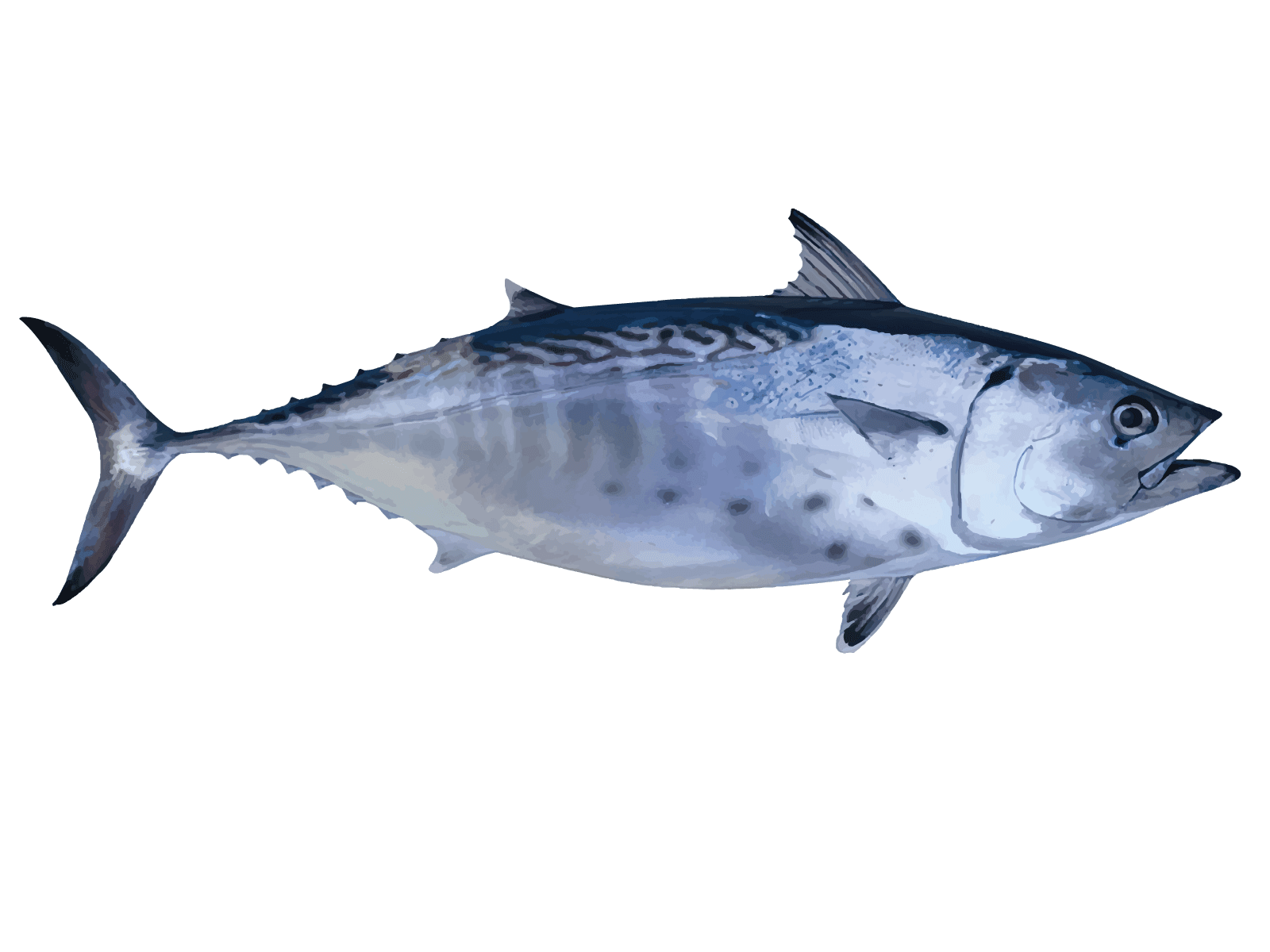
The Little Tunny (Euthynnus alletteratus) is a compact powerhouse of the Scombridae family, belonging to the order Perciformes. Also called Bonita or False Albacore, this smaller tuna variant has earned a devoted following among recreational anglers for its explosive fighting spirit and acrobatic runs. With a distinctive torpedo-shaped body, dark metallic blue coloring accented by blue-green stripes, and characteristic black fingerprint-like spots running along its sides, the Little Tunny is unmistakable once you've encountered one. What makes this species particularly exciting is that it's one of the more accessible tuna species for anglers targeting larger game fish, yet it delivers all the thrills you'd expect from the Scombridae family. Whether you're fishing the Atlantic coast or exploring nearshore reefs, these migratory fish offer year-round opportunity and consistently rewarding action.
Little Tunny Habitat and Distribution
Little Tunny are pelagic fish that thrive in warm to temperate coastal waters throughout the Atlantic Ocean and beyond. They prefer staying in nearshore waters, typically hugging the surface and concentrating around structure such as points, inlets, jetties, and sandbars where their prey congregates. These highly migratory fish travel in schools, moving southward during fall and winter months in search of warmer waters. You'll often find them swarming underneath jetties and around rocky outcrops, particularly when schools of baitfish are present. The species is native to Atlantic regions and can be encountered from spring through early winter depending on your location, with peak activity occurring during the warmer months when they're most aggressive and readily available to anglers.
Little Tunny Size and Weight
The Little Tunny is typically measured by weight rather than length, with average specimens ranging from 10 to 12 pounds. In terms of length, you can expect catches between 24 and 48 inches, though most fish encountered will fall in the mid-range of this spectrum. While the average weight hovers around 10–12 pounds, these fish can exceed 20 pounds, and the all-time record stands at approximately 36 pounds. Don't let the smaller size fool you—pound for pound, these fish fight with intensity that belies their modest dimensions, making them exciting targets for light-tackle and fly-fishing enthusiasts alike.
Little Tunny Diet and Behavior
As carnivorous hunters, Little Tunny are aggressive feeders that primarily consume small fish and invertebrates, particularly those found in concentrated schools. They actively hunt squid, crustaceans, and small baitfish, and they've developed a schooling strategy that amplifies their hunting efficiency—traveling in coordinated groups allows them to corral prey and overwhelm localized concentrations of food. One telling sign of their feeding activity is the noise they make while eating; experienced anglers learn to listen for the distinctive splashing and commotion that reveals an active school below the surface. These fish are relentless swimmers with high metabolic demands, which means they're almost always willing to chase fast-moving presentations. Their behavior shifts seasonally with migration patterns, becoming more active and aggressive as water temperatures warm during spring and early summer months.
Little Tunny Spawning and Seasonal Activity
Little Tunny exhibit distinct seasonal patterns driven by water temperature and prey availability. These fish are highly migratory, undertaking significant north-south movements with the changing seasons. During fall and winter, populations move southward toward warmer waters, while spring and summer see their return to northern regions where cooler, nutrient-rich waters support abundant forage. Their relatively short lifespan of approximately five years means each cohort moves through their life cycle quickly, contributing to the need for seasonal movement and continuous feeding. Peak activity for anglers occurs during spring through early fall, with summer typically offering the most consistent action. Understanding these seasonal movements is crucial for planning fishing trips, as your success depends heavily on timing your visit when populations are actively feeding in your target area.
Little Tunny Techniques for Observation and Capture
Trolling stands as the most effective and popular method for targeting Little Tunny. Set up multiple fishing lines with ballyhoo or mullet, adorned with brightly colored feathers to attract strikes. Since these fish school, working a productive area with multiple lines increases your odds significantly. Troll at moderate speeds in nearshore waters, focusing on areas with structure like jetties, points, and sandbars where schools tend to congregate. The key is patience and coverage—let your presentations work through the water column where these migratory fish are actively hunting.
Fly fishing offers thrilling sport for those seeking a lighter-tackle experience. Use lightweight streamers or poppers, casting toward visible activity or structure where you suspect schools are holding. The critical technique here is restraint—allow the fish to do the work rather than aggressively stripping or jerking your line, as these aggressive fish will take and the sudden tension could cause breakage. Around coastal inlets and nearshore reefs, sight-casting to visible schools can produce explosive strikes that rival any saltwater experience.
Live bait casting near structure is another productive approach. Deploy live Bluefish, Pinfish, or other small baitfish around jetties, rocks, and drop-offs, allowing them to swim naturally. These fish won't hesitate to chase live prey, and the advantage is that you can cover specific high-percentage zones methodically. Early morning and late afternoon often produce the most consistent activity, as feeding intensity increases during these lower-light periods.
Little Tunny Culinary and Utilization Notes
Little Tunny flesh is distinctly red compared to other tuna species, which sometimes creates confusion among consumers unfamiliar with the species—some worry it resembles red tide contamination when it's simply the natural color. The meat is robust and strongly flavored, more assertive than typical Yellowfin Tuna, which appeals to anglers who prefer deeper, meatier profiles. While edible, these fish are classified as average for food quality compared to larger tuna species, partly due to their texture and flavor intensity. If you decide to keep one for the table, thorough cleaning is essential, particularly the stomach cavity—Little Tunny are known to harbor various parasites, so proper preparation is non-negotiable. Fresher fish display redder meat, so judge quality by color intensity. Many anglers practice catch-and-release with these fish, valuing them primarily for the sport they provide rather than the culinary reward, though they certainly make acceptable table fare when properly handled.
Little Tunny Frequently Asked Questions
Q: What is the best bait or lure for Little Tunny?
A: Brightly colored feathered lures, ballyhoo, mullet, live Bluefish, and Pinfish all work exceptionally well. The key is movement and visibility—these fish are aggressive hunters that respond to fast, erratic presentations. Fly-fishing with streamers also produces excellent results for sight-casting scenarios.
Q: Where can I find Little Tunny near coastal jetties and inlets?
A: Little Tunny congregate around structure like jetties, rocky points, sandbars, and inlets where baitfish schools gather. Early morning trips to these locations often yield the best activity, as feeding intensity increases during dawn hours.
Q: Is Little Tunny good to eat?
A: Yes, though it's considered average for culinary quality compared to larger tuna species. The meat is naturally red and strongly flavored—deeper and more assertive than typical tuna. If keeping one for the table, ensure thorough cleaning to remove parasites, which this species is known to harbor.
Q: When is the best time to fish for Little Tunny?
A: Spring through early fall offers peak activity, with summer typically the most consistent period. These migratory fish move southward during fall and winter, so plan your trip accordingly. Early morning and late afternoon sessions often produce the most aggressive feeding activity.
Q: How hard do Little Tunny fight?
A: Pound for pound, these fish are outstanding fighters known for explosive strikes, aggressive runs, and acrobatic behavior. They're considered excellent odds for anglers seeking thrilling action, and many experienced saltwater fishermen specifically target them for this reason.
Q: What techniques work best for Little Tunny—trolling, casting, or fly-fishing?
A: All three techniques are effective depending on conditions and preference. Trolling with multiple lines covers water efficiently and works well in open water. Casting live bait near structure produces strikes in specific zones. Fly-fishing provides sport and elegance for sight-casting to visible schools, though each method requires patience and proper technique to succeed.