%2Ffit-in%2F250x250%2Fguide_websites%2F461%2Fimages%2Frich%20adler%20horizontal%20v2.png&w=1920&q=100)
Jolthead Porgy Fishing Charter in Riviera Beach FL
Jolthead Porgy Fishing in Riviera Beach - What to Expect
%2F%2Fusers%2F33cfca0a-ab78-43c3-9e45-e9d8978f141f%2Fimages%2Fjolthead-porgy-riviera-beach-fishing-2673.jpg&w=1920&q=75)
Fishing Charter by Captain Rich Adler in July

Meet your Captain Rich Adler
- Palm Beach Sportfishing - Tuna, Wahoo and more!




Summary
Join Captain Rich Adler on a fishing charter in Riviera Beach for an exciting day targeting jolthead porgy and other local species. This Wednesday in July is the perfect time to experience the productive waters around West Palm Beach with Tuna Wahoo Charters, where you'll put your skills to the test on a guided fishing adventure.
Fishing Charter with Captain Rich Adler - Rates & Booking
Captain Rich Adler of Tuna Wahoo Charters on Wednesday, July offers an authentic fishing charter experience targeting jolthead porgy in the productive waters around Riviera Beach. Whether you're a seasoned angler or looking to try something new, this guided fishing charter puts you on the fish with someone who knows these waters inside and out. Captain Rich brings local expertise and a passion for connecting anglers with memorable catches. To book your spot on the water, reach out to Tuna Wahoo Charters directly and secure your date for an unforgettable day of fishing.
Highlights of Your Fishing Experience
Jolthead porgy fishing in this region offers a unique blend of action and technique. These colorful, hard-fighting fish are found in the reefs and rocky structures around Riviera Beach, making for an engaging chase throughout the day. The waters around West Palm Beach hold healthy populations, and with Captain Rich's guidance, you'll learn exactly how to locate and land these fish using proven methods.
The experience goes beyond just catching fish - it's about being out on the water, reading the conditions, and connecting with the local marine environment. Each cast and drop presents a chance for the next strong bite, keeping the energy and excitement high throughout your charter.
Local Species Insights: Jolthead Porgy
The jolthead porgy is a fascinating fish that makes these waters worth exploring. They're built tough, with powerful jaws designed for crushing hard-shelled prey like mollusks and crustaceans found on the ocean floor. You'll find them hanging around reef structures, rocky ledges, and sandy areas with plenty of food sources. What makes them such great targets is their aggressive feeding behavior and willingness to strike baited rigs.
These fish are recognizable by their distinctive coloring - a silvery-green body with hints of blue and bright yellow around the fins. They're not subtle creatures, and neither are their strikes. When a jolthead porgy decides to eat, you'll feel it immediately. They fight hard on the line, making them a rewarding catch for anglers of all skill levels.
The habitat around Riviera Beach and West Palm Beach provides ideal conditions for jolthead porgy. The reef systems and structure-rich areas create natural gathering spots where these fish congregate to feed. Understanding the relationship between the fish, the environment, and the tide patterns is key to consistent success - something Captain Rich brings to every outing.
The best approach to catching jolthead porgy involves patience, proper depth reading, and using the right bait presentations. Fresh cut bait and quality rigs work well, and Captain Rich will guide you through the specifics based on the day's conditions. The thrill comes from knowing these fish are active, reading the underwater environment through your rod tip, and executing the technique needed to land them.
Plan Your Fishing Day
Your day on the water is structured around the tides and bite windows that work best for jolthead porgy fishing. Captain Rich will handle navigation and positioning, allowing you to focus on fishing and soaking in the experience. The charter moves between productive spots, giving you multiple opportunities to connect with fish throughout the day.
Comfort and safety are priorities - you'll have everything you need to fish effectively without worry. The time spent on the water is balanced between active fishing and natural breaks, keeping the pace enjoyable and sustainable. By the end of the day, you'll have a solid understanding of jolthead porgy behavior and the techniques that work best in these waters.
Fishing in West Palm Beach: Jolthead Porgy
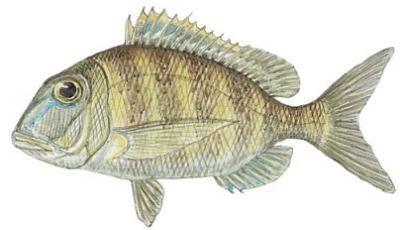
The Jolthead Porgy (Calamus bajonado) is a captivating member of the Sparidae family within the order Perciformes, and it's a favorite among recreational anglers throughout the western Atlantic Ocean. Known locally as the Bojanado in some US coastal communities, this fish earned its distinctive English name from its remarkable feeding behavior—it literally 'jolts' or snatches mollusks directly from rocky surfaces. What makes the Jolthead Porgy truly special is its unique appearance: a roundish head with a pointed snout, a small mouth positioned just right for its specialized feeding, and striking blue lines running beneath each eye. Unlike its more colorful porgy cousins, this species sports a duller brassy-silver coloring with bluish-to-brownish tones along its back and a distinctive orange-tinged mouth corner. Whether you're fishing around reefs in Florida or exploring nearshore habitats along the Atlantic seaboard, spotting a Jolthead Porgy is an exciting moment that speaks to the incredible biodiversity of our coastal waters.
Jolthead Porgy Overview
The Jolthead Porgy stands out as one of the most intriguing gamefish for both novice and experienced anglers. Despite being the dullest-colored member of its family, this fish punches well above its weight in terms of fighting ability and angling appeal. It's primarily a bottom-dweller, preferring to hunt along grass beds, offshore reefs, and rocky patches where its food sources congregate. The species is widely distributed and maintains stable populations throughout its range, making it a reliable target for fishing enthusiasts. Its solitary nature—though occasionally found in small schools—means encounters with this fish are always somewhat special. For visitors to coastal regions, particularly around major fishing destinations, the Jolthead Porgy represents an accessible yet challenging freshwater experience that doesn't require extensive offshore equipment or expertise.
Jolthead Porgy Habitat and Distribution
The Jolthead Porgy thrives in diverse coastal environments across the western Atlantic Ocean, ranging from the waters off Rhode Island all the way down to Brazil. This impressive geographic range includes the entire Gulf of Mexico, the Caribbean Sea, and the islands of the West Indies. The species typically inhabits depths between twenty and thirty feet, though it's quite adaptable and can venture into waters as deep as one hundred and fifty feet when pursuing food sources. Its preference for grass beds and reef structures makes it a common sight around artificial reefs and natural rock formations. The fish's ability to adjust to various habitats—from sandy bottoms to complex reef systems—demonstrates remarkable ecological flexibility. In many popular fishing regions, including areas near major coastal cities and islands, the Jolthead Porgy has established itself as a consistent presence, making it a predictable target for guided fishing expeditions and independent anglers alike.
Jolthead Porgy Size and Weight
Typical Jolthead Porgies generally range between fourteen and twenty inches in length, with weights averaging between thirteen and eighteen pounds for fish in this size range. However, exceptional specimens do exist—the world record individual measured more than twenty-four inches in length and weighed just over twenty-three pounds, a remarkable achievement that demonstrates the species' growth potential under optimal conditions. Most anglers encounter fish on the smaller end of the spectrum, and specimens exceeding twenty inches remain relatively rare. The modest average size shouldn't deceive anglers into thinking this fish is an easy catch; despite their dimensions, Jolthead Porgies are known for their surprising strength and determination when hooked. Their compressed lateral body structure combined with a highly arched back gives them an unexpected power and agility that often surprises first-time anglers targeting the species.
Jolthead Porgy Diet and Behavior
As a dedicated carnivore, the Jolthead Porgy specializes in feeding on crustaceans, soft-shelled mollusks, and occasional small fish—a diet that directly influences its feeding behavior and vulnerability to various angling techniques. The species earned its name through its distinctive hunting style: it approaches rocky or reef structures and uses quick, forceful movements to dislodge mollusks and other prey items from their anchor points. This voracious predator is known for its slow, methodical swimming pace when not actively hunting, though it can achieve impressive bursts of speed over short distances when pursuing food or escaping threats. The Jolthead Porgy is predominantly solitary, preferring to hunt independently rather than in groups, though occasionally small schools form around particularly productive feeding areas. This behavioral trait makes locating individual fish challenging but rewarding; when you hook a Jolthead, you're typically dealing with one committed predator rather than part of a larger school, which can lead to more predictable and exciting fishing experiences.
Jolthead Porgy Spawning and Seasonal Activity
The Jolthead Porgy demonstrates interesting migratory and spawning patterns that influence seasonal availability and catch rates throughout its range. During the summer months, these fish migrate toward deeper ocean waters to spawn, a behavior that temporarily moves populations away from traditional shallow-water fishing zones. This seasonal movement makes summer an intriguing time for adventurous anglers willing to venture into deeper offshore habitats. Understanding these spawning migrations is crucial for planning fishing expeditions and managing expectations about catch rates during different seasons. Outside of the spawning period, Jolthead Porgies remain relatively stable in their preferred shallow to moderate-depth habitats, making them accessible to shore-based and nearshore anglers throughout much of the year. Local fishing guides and marina staff can provide detailed seasonal information about peak activity periods and optimal times to target the species in your specific region.
Jolthead Porgy Techniques for Observation or Capture
Method One: Light Spinning and Baitcasting from Nearshore Platforms
The most accessible approach to catching Jolthead Porgies involves using light spinning or baitcasting tackle from nearshore locations, piers, or small boats. The key to success lies in using fresh or live bait—shrimp, crabs, mussels, clams, and strip fish all work exceptionally well. Cast near rocky outcrops, reef structures, or grass beds where these fish concentrate. Watch for the distinctive jerking movements that indicate feeding activity, then present your bait directly into these zones. The fight that follows can be surprisingly intense; these fish are known for attempting to snap lines by swimming through rocks and debris, so maintain steady pressure and be prepared for a fairly lengthy battle once you've achieved a solid hookset.
Method Two: Bottom Fishing with Dead Bait Around Offshore Reefs
For a more stationary approach, deploy bottom-fishing techniques around offshore reefs and rocky patches. Drop your baited line to the seafloor in depths ranging from twenty to one hundred and fifty feet, depending on seasonal distribution patterns. Allow the bait to sit naturally on the bottom where Jolthead Porgies conduct most of their feeding. This method works particularly well when targeting slightly deeper populations during summer months or when nearshore options prove less productive. The strike from a feeding Jolthead Porgy is often deliberate rather than explosive, so maintain constant vigilance and be ready to set the hook when you detect subtle line movement.
Method Three: Early Morning Shallow-Water Reef Exploration
Around major coastal regions like Madeira Beach, Florida—famous for producing the world record specimen—early morning fishing over shallow reefs and grass beds can be highly productive. Start your day just after dawn when water clarity is typically better and feeding activity increases. Navigate to known reef systems in fifteen to thirty feet of water and present live shrimp or small crabs just above the bottom. The calm early morning conditions allow for more precise bait presentation and better detection of feeding fish. This timing often produces more aggressive strikes and a higher success rate than midday fishing, particularly during warmer months.
Jolthead Porgy Culinary and Utilization Notes
The Jolthead Porgy is widely recognized as an excellent food fish, with firm white meat that possesses a delicate, subtly sweet flavor that appeals to many palates. The culinary versatility of this species is impressive—it can be successfully grilled, steamed, fried, or baked, adapting well to various cooking methods and flavor profiles. Many coastal restaurants and home cooks prize the Jolthead Porgy for its consistent meat quality and reliable taste. However, it's worth noting that isolated cases of Ciguatera toxin poisoning have been documented from consuming this species, typically associated with fish caught in specific tropical regions where the toxin naturally accumulates in reef fish. This risk is generally minimal in most fishing areas but warrants awareness, particularly if you're harvesting fish from unknown or potentially problematic reefs. Nutritionally, the species provides excellent protein and beneficial omega-3 fatty acids, making it a healthy addition to a balanced diet when prepared responsibly and sourced from established, reliable fishing grounds.
Jolthead Porgy Frequently Asked Questions
Q: What is the best bait for catching Jolthead Porgies?
A: Live or fresh shrimp, crabs, mussels, clams, and strip fish are all highly effective. The key is presenting fresh, vibrant bait near rocky structures or reef systems where these bottom-feeders naturally hunt. Many experienced anglers prefer live bait for triggering more aggressive strikes, though fresh dead bait often works equally well.
Q: Where can I find Jolthead Porgies near Madeira Beach, Florida?
A: Madeira Beach offers exceptional Jolthead Porgy fishing, particularly around nearshore reef systems and offshore structures in twenty to fifty feet of water. Charter services operating from Madeira Beach can direct you to proven fishing grounds where Jolthead Porgies congregate. The area's historical significance—it produced the world record catch in 1990—speaks to its continued productivity for this species.
Q: Is Jolthead Porgy good to eat?
A: Absolutely. The meat is firm with a delicate, sweet flavor that many anglers and chefs consider superior to several other porgy species. It takes well to most cooking methods including grilling, steaming, frying, and baking. The white flesh is versatile and works in everything from simple pan-fried preparations to complex seafood dishes.
Q: When is the best time to catch Jolthead Porgies?
A: Year-round fishing is possible, but summer months see seasonal migration to deeper waters for spawning. Spring and fall typically offer excellent shallow-water fishing opportunities. Early morning hours consistently produce better results, as feeding activity peaks after sunrise and before midday heat reduces bite rates.
Q: How strong is a Jolthead Porgy when hooked?
A: Despite modest size, this species is surprisingly powerful and known for fighting tenaciously. It frequently attempts to snap lines by swimming through rocks and reef structures, so use appropriate tackle and maintain steady pressure throughout the fight. Most experienced anglers describe the battle as exciting and somewhat challenging even for modest-sized specimens.
Q: Can Jolthead Porgies be caught commercially, and is the population stable?
A: Yes, they're caught using trawls, longlines, and hook-and-line methods in commercial operations. More importantly, the species maintains stable, widely distributed populations throughout its range in the western Atlantic, making it a sustainable target for both recreational and commercial fishing. Their ecological resilience and adaptability have allowed populations to remain healthy despite fishing pressure.