%2Ffit-in%2F250x250%2Fguide_websites%2F461%2Fimages%2Frich%20adler%20horizontal%20v2.png&w=1920&q=100)
Bluefish and Blue Runner Catch in West Palm Beach
Bluefish and Blue Runner Fishing in West Palm Beach - What to Expect
%2F%2Fusers%2F33cfca0a-ab78-43c3-9e45-e9d8978f141f%2Fimages%2Fbluefish-blue-runner-west-palm-2612.jpg&w=1920&q=75)
Fishing Charter by Captain Rich Adler in December

Meet your Captain Rich Adler
- Palm Beach Sportfishing - Tuna, Wahoo and more!




Summary
Join Captain Rich Adler of Tuna Wahoo Charters for an exciting fishing charter in West Palm Beach on Wednesday, January. This outing showcases the rich offshore fishing opportunities available to anglers targeting bluefish and blue runner, two highly sought-after species known for aggressive strikes and strong fights in Atlantic waters.
Fishing Charter with Captain Rich Adler - Rates & Booking
Captain Rich Adler of Tuna Wahoo Charters welcomed anglers on Wednesday, January for a productive day on the water in West Palm Beach. This fishing charter targets the dynamic species that make this region a premier destination for serious anglers. To book your own charter experience or inquire about current rates and availability, contact Tuna Wahoo Charters directly for personalized trip planning and package options.
Highlights of This Fishing Experience
This charter delivered an impressive catch featuring eight bluefish and blue runner specimens, demonstrating the abundance of gamefish available offshore West Palm Beach. The mix of species in a single outing reflects the diverse fishing opportunities and the skill required to locate and land these aggressive fighters. Anglers experienced the excitement of multiple hook-ups and the challenge these species present with their powerful runs and determined resistance.
The West Palm Beach area offers ideal conditions for targeting bluefish and blue runner, with access to productive offshore waters where these species congregate seasonally. The charter's success illustrates the importance of fishing during favorable conditions and understanding where these fish hold throughout different times of the day.
Local Species Insights: Bluefish and Blue Runner
Bluefish are powerful, aggressive predators that inhabit Atlantic coastal waters and offshore regions. Known scientifically as Pomatomus saltatrix, bluefish are highly migratory fish that follow baitfish schools and are famous for their competitive feeding behavior. They typically school in large numbers and respond enthusiastically to live bait, cut bait, and artificial lures. When hooked, bluefish exhibit strong runs and vigorous head shakes, making them exhilarating opponents for charter anglers.
Bluefish thrive in temperatures between 50 and 75 degrees Fahrenheit and are most abundant during spring and fall migrations. They prefer areas with good current flow and structure where baitfish concentrate. Their teeth are razor-sharp, requiring proper tackle and knot strength to prevent bite-offs. Understanding their feeding patterns and seasonal movements significantly improves catch rates and fishing success.
Blue runner, scientifically Caranx crysos, are smaller cousins in the jack family that share similar aggressive behavior with their larger cousins. These fish are built for speed and power, with streamlined bodies that enable rapid acceleration when pursuing prey. Blue runners school extensively and can be caught on light tackle, providing excellent sport for anglers. They inhabit the same offshore environments as bluefish and often feed in the same areas, making them common companions on charter trips.
Blue runners prefer warm water and are most active when water temperatures exceed 70 degrees Fahrenheit. They respond well to natural baits and small lures, and their spirited fights make them popular targets. These fish travel in coordinated schools, so successful anglers who locate one often find multiple opportunities within the same general area. Their presence alongside bluefish indicates optimal feeding conditions and strong fishing activity.
West Palm Beach's offshore structure and proximity to the Gulf Stream create ideal habitat for both species. The deeper waters and current systems support abundant baitfish populations, which in turn attract and concentrate gamefish. Experienced captains like Rich Adler understand these environmental factors and position their charters to maximize encounters with actively feeding fish throughout the day.
Plan Your Fishing Day
A successful offshore fishing charter requires understanding what to bring and how to prepare. Expect to spend several hours on the water, so wear comfortable clothing layered for changing conditions and bring sun protection including sunscreen, sunglasses, and a hat. Non-slip footwear is essential for safety on a moving vessel. Tuna Wahoo Charters provides professional guidance and equipment for pursuing bluefish and blue runner, allowing anglers to focus on the experience rather than logistics.
Charter fishing is typically most productive during slack tide transitions and periods of moderate current flow. Morning departures often provide the best conditions for locating and catching bluefish and blue runner, as fish feed aggressively in early daylight hours. The combination of skilled captaincy, proper location selection, and favorable conditions creates the ideal setting for a memorable fishing experience and successful catch.
Fishing in West Palm Beach: Bluefish and Blue Runner
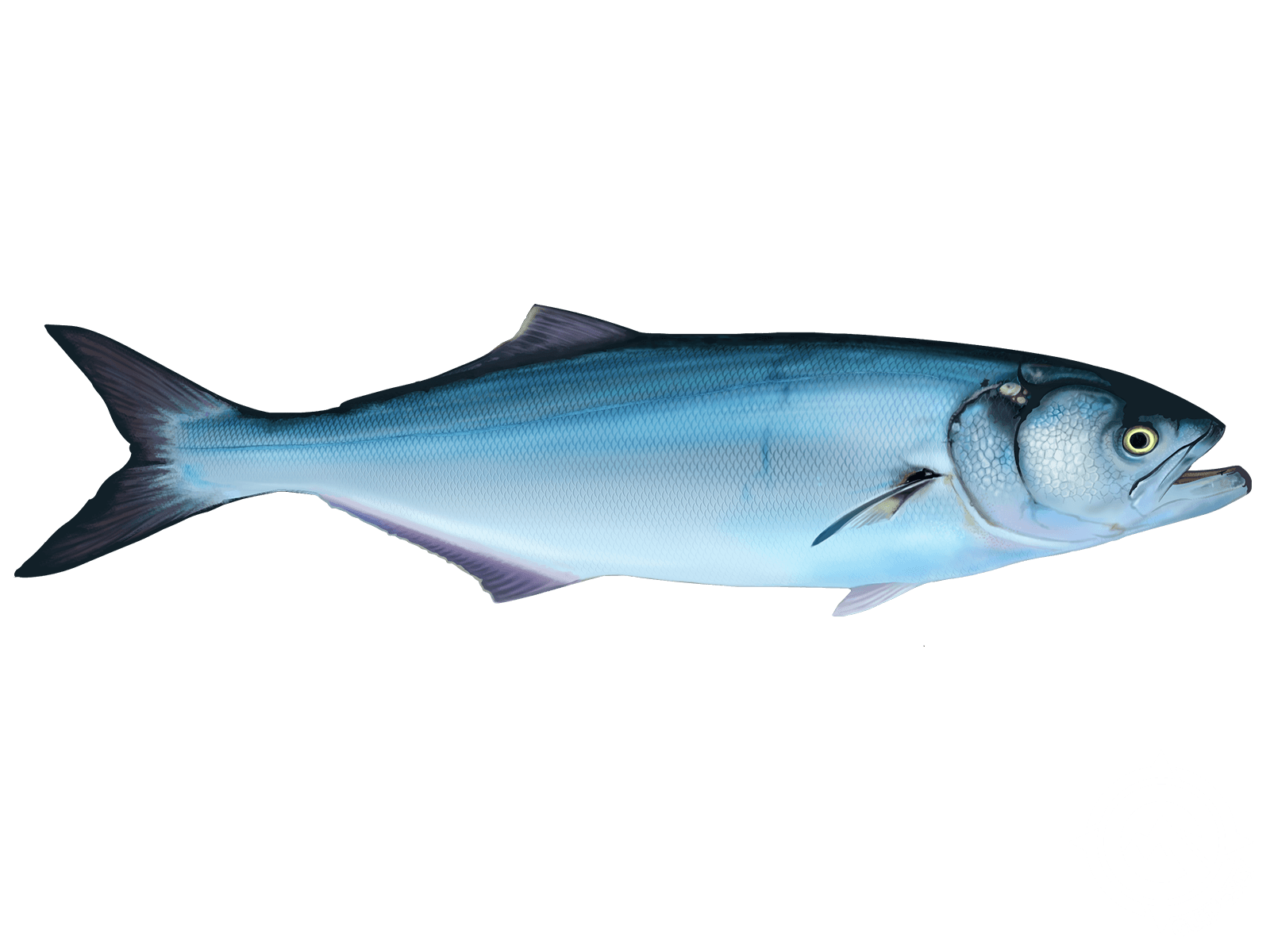
Bluefish Overview
The Bluefish (Pomatomus saltatrix) is one of the most thrilling game fish you'll encounter in nearshore and onshore Atlantic waters. Belonging to the family Pomatomidae and order Perciformes, this aggressive predator is the sole surviving member of its family—a distinction that makes it both ecologically important and historically fascinating. What makes the Bluefish truly special is its combination of explosive feeding behavior, striking blue-green coloring, and reputation as a spirited fighter on the line. Known locally in different regions as Shad (South Africa) or Tailor (Australia and New Zealand), this migratory species brings excitement to summer fishing from Cape Cod to the Carolinas and beyond. Anglers and casual observers alike are captivated by the famous "Bluefish Blitz," where schools churn shallow waters like washing machines, attacking baitfish with reckless abandon.
Bluefish Habitat and Distribution
Bluefish thrive in subtropical and temperate waters across the globe, with major populations found throughout the Atlantic Ocean from Nova Scotia to Argentina, and from Spain to southern Africa. These marine pelagic fish are most commonly found along continental shelves and rarely venture to the north side of the Pacific Ocean. In North America, they inhabit a wide range of environments including brackish estuaries, tidal rivers, rock headlands, sandy beaches, and areas just above the continental shelf. During summer months, Bluefish become seasonal visitors to cooler northern waters, arriving around mid-June and remaining through mid-October before migrating to warmer wintering grounds from North Carolina south to Florida's tip. They're particularly abundant in bays, sandy harbors, and tidal river systems where forage fish concentrate. The species shows a strong preference for areas with active baitfish populations and readily moves between shallow coastal waters and deeper offshore zones depending on seasonal availability of prey.
Bluefish Size and Weight
Bluefish display considerable size variation depending on age and feeding conditions. Most fish in the general population reach weights around 15–20 pounds, though they commonly grow to 15 inches minimum and can exceed 51 inches in length when fully mature. In terms of weight, typical catches range from 3 to 15 pounds for recreational anglers, though exceptional specimens have been documented at 40 pounds or more. Juvenile Bluefish, affectionately called "baby blues" or "snappers," appear in late summer and offer excellent opportunities for young and inexperienced anglers to practice their skills. The larger fish, particularly those exceeding 10 pounds, develop stronger, more assertive flavors compared to their smaller counterparts, which possess mild, flaky meat prized by culinary enthusiasts.
Bluefish Diet and Behavior
Bluefish earned their reputation as voracious predators through relentless feeding habits and an impressive arsenal of flat, triangular teeth sharp enough to inflict serious bites. These aggressive hunters possess a complex diet featuring sardine-like fish, Menhaden, Weakfish, Grunt, Anchovy, Squid, and Shrimp. Their fast swimming speed allows them to chase down schools of forage fish, and they're known for entering feeding frenzies where they continue attacking prey long after satisfying their nutritional needs—a behavioral trait that makes them so appealing to anglers. Interestingly, Bluefish exhibit cannibalistic tendencies, sometimes consuming their own young. Despite their fearsome hunting prowess, adult Bluefish serve as food for larger predators including Dolphins, Billfish, Sharks, and Tuna. The species can live up to 9 years in the wild, providing a multi-generational presence in coastal ecosystems. Their aggressive nature means careful handling is essential; their powerful jaws and sharp teeth can deliver painful wounds to unsuspecting anglers.
Bluefish Spawning and Seasonal Activity
Bluefish exhibit strong seasonal migration patterns that define their presence in coastal waters throughout the year. In northern regions like Cape Cod and the broader Atlantic Northeast, these fish arrive as seasonal visitors around mid-June and establish themselves through mid-October when water temperatures and baitfish availability peak. The fall migration triggers a notable fishing phenomenon as juvenile "snappers" congregate in sandy harbors, bays, and tidal rivers before departing for southern waters. Winter months find the majority of the population in warmer Atlantic waters stretching from North Carolina through Florida's southern tip. This predictable seasonal cycle has shaped commercial and recreational fisheries management strategies, with harvest regulations and bag limits designed around their migratory movements. Spring returns bring renewed excitement to northeastern anglers as water temperatures warm and migrating schools re-enter traditional summer grounds, signaling the beginning of another productive fishing season.
Bluefish Techniques for Observation and Capture
Method 1: Live and Cut Bait Fishing
The most effective approach for targeting Bluefish involves using oily baitfish like eels, which trigger aggressive strikes, though nearly any baitfish species will work. Cut bait shaped into small lure-sized chunks proves particularly productive, allowing you to present multiple offerings in areas with known Bluefish activity. Fish from tidal rivers, bays, and sandy harbors during summer months when water temperatures are optimal. Use only circle hooks per regulations—this equipment choice reduces injury to released fish while improving your hook-up rate. Cast into areas where baitfish schools congregate, particularly near structure and during tidal movements that concentrate prey.
Method 2: Artificial Lures and Flies
Bluefish eagerly strike artificial lures and fly patterns that mimic their natural prey. Recreational regulations permit artificial lures with a maximum of two treble hooks, giving you flexibility in your presentation. Topwater plugs, metal spoons, and shad-pattern soft plastics all produce strikes during active feeding periods. Cast into the "Bluefish Blitz"—that spectacular phenomenon where schools churn shallow water while attacking baitfish—and work your lures with aggressive, erratic retrieves that trigger competitive feeding responses.
Method 3: Commercial and Guided Techniques
Professional fisheries employ trawls, gillnets, and hook-and-line methods in commercial operations requiring proper permits. Around Cape Cod and other prime northeastern locations, charter boats and guided services specialize in locating schools and positioning anglers for consistent action. Recreational anglers can keep up to three fish per day with no minimum size requirement, making this an accessible species for both novices and experienced fishermen.
Bluefish Culinary and Utilization Notes
When properly prepared, Bluefish offers mild, flaky meat that ranks as a genuine culinary treat for those who know how to handle it. Smaller fish (under 10 pounds) provide the most delicate flavor, while larger specimens develop more pronounced, oily characteristics that some find less appealing. Despite being rich in omega-3 fatty acids beneficial for heart health, health authorities recommend that children and adult women limit consumption due to the species' significant mercury content. The fish's oily nature makes it ideal for smoking, grilling, and baking—preparation methods that complement rather than mask its natural flavors. Commercial and recreational fisheries employ strict management through bag limits and annual quotas to ensure sustainable harvest and prevent overfishing. When considering Bluefish for the dinner table, source smaller specimens and enjoy them as an occasional rather than regular dietary staple.
Bluefish Frequently Asked Questions
Q: What is the best bait for catching Bluefish?
A: Oily fish like eels are exceptionally effective, but almost any baitfish works well. Cut bait shaped into small lure-sized chunks provides another excellent option. The key is matching bait size to your target fish and presenting it in areas where schools congregate, particularly during tidal movements.
Q: Where can I find Bluefish near Cape Cod and the northeastern coast?
A: Bluefish are seasonal visitors to Cape Cod and northern Atlantic waters from mid-June through mid-October. Focus your efforts on tidal rivers, bays, sandy harbors, and nearshore locations where baitfish concentrate. The "Bluefish Blitz" phenomenon, where schools attack baitfish in shallow water, creates spectacular fishing opportunities during peak season.
Q: Is Bluefish good to eat?
A: Yes, when properly prepared, Bluefish offers delicious, mild, flaky meat—particularly smaller specimens under 10 pounds. However, due to mercury content, health authorities recommend limiting consumption, especially for children and adult women. Prepare using smoking, grilling, or baking methods that complement the fish's natural oily richness.
Q: When is the best time to catch Bluefish?
A: Summer months (mid-June through mid-October) represent peak season in northern regions like Cape Cod. Late summer brings juvenile "snappers" into shallow bays and sandy harbors, creating excellent opportunities for beginners. Early morning and late afternoon often produce the most consistent action as feeding intensity increases.
Q: What regulations apply to Bluefish fishing?
A: Recreational anglers can keep up to three Bluefish per day with no minimum size requirement, using only circle hooks. Artificial lures are limited to two treble hooks maximum. Commercial fishing requires proper permits, and many states impose specific catch limits. Always check local regulations before fishing.
Q: Why are Bluefish called a "Blitz" when they feed?
A: The "Bluefish Blitz" occurs when schools churn shallow water like washing machines, attacking baitfish schools with reckless aggression. These feeding frenzies create spectacular surface disturbances and offer some of the most exciting fishing experiences available, as multiple fish simultaneously strike and compete for prey regardless of their hunger level.
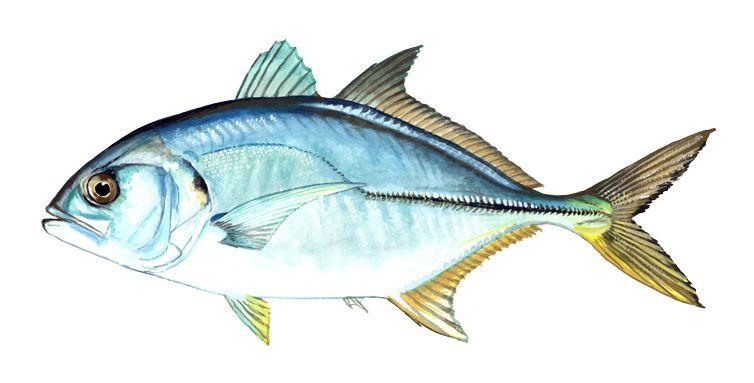
Blue Runner Overview
The Blue Runner (Caranx crysos) is a spirited member of the jack family, Carangidae, belonging to the order Perciformes. Known by several colorful aliases—Egyptian scad, hardtail jack, green jack, and hardnose—this fish is a favorite among both commercial fisheries and recreational anglers. What makes the Blue Runner stand out is its combination of speed, strength, and widespread availability along Atlantic and Mediterranean coastlines. Whether you're a seasoned angler in Florida or exploring coastal waters near Nova Scotia, encountering a Blue Runner is a thrilling experience that showcases the raw power these jack family members are famous for.
Blue Runner Habitat and Distribution
Blue Runners thrive in tropical and temperate waters across the Atlantic Ocean and Mediterranean Sea. You'll find them abundantly from the Gulf of Mexico all the way up to Nova Scotia in Canada, with strong populations along western African and European coastlines as well as Central American shores. These fish are semi-pelagic, meaning they inhabit both inshore reefs and the upper slopes of deeper reefs—though some remarkable specimens have been discovered in extremely deep waters reaching 2,500 meters. Young Blue Runners tend to venture further offshore than their adult counterparts, who prefer to stay closer to inshore habitats. Whether you're fishing shallow coastal waters or venturing to reef systems deeper than 100 meters, there's a good chance you'll encounter these versatile hunters.
Blue Runner Size and Weight
Blue Runners are moderately sized members of the jack family, typically ranging from 13 to 28 inches in length and weighing between 5 to 11 pounds on average. While they may not be the giants of the Carangidae family, their compact, muscular build packs surprising strength—something every angler who's tangled with one will attest to. Their elongated bodies with slightly pointed snouts and forked tails make them instantly recognizable, especially when you spot that distinctive black spot on their gill cover or the black tips adorning their tail fins. The shiny, scale-covered body gleams with colors ranging from olive or bluish-green to silvery grey, with a striking golden belly that catches the light beautifully.
Blue Runner Diet and Behavior
Blue Runners are aggressive predators with voracious appetites, hunting small fishes in inshore waters along with shrimps, crabs, and other crustaceans. Lobsters and even jellyfish make their menu, showing these fish aren't picky eaters when hunger strikes. Juvenile Blue Runners have slightly different tastes, preferring zooplankton as they grow and develop their predatory instincts. Their teeth are notably fearsome—the upper jaw sports a series of irregularly-shaped canines, while the lower jaw features a single row of small, sharp teeth designed for gripping slippery prey. This predatory nature makes them excellent bait for larger game fish, though catching Blue Runners themselves requires skill and respect for their strength. They school in groups, creating dynamic hunting patterns that can be mesmerizing to observe, whether from a boat or while snorkeling in reef environments.
Blue Runner Seasonal Activity and Peak Fishing Times
Blue Runners can be caught year-round, which is one of their most appealing characteristics for anglers planning fishing trips. However, seasonal peaks vary by location. In northwest Florida, October marks an exceptional window for encounters, while other habitats see their most active periods from January through August. This extended season means you can plan Blue Runner expeditions across multiple months without missing prime conditions. Their movements seem tied to water temperature and food availability, so checking local reports before heading out will help you time your adventure perfectly. Cooler months may push them slightly deeper, while warmer seasons see them more active in shallower, inshore zones where they're easier to locate and target.
Blue Runner Techniques for Observation and Capture
Hook and Line Method: This is the gold standard for landing Blue Runners. Use a tough main line capable of handling their impressive strength and speed—they'll test your drag system immediately upon hookup. A weight of at least 2 ounces will help you reach them, especially if they're holding deeper. Cast near chum lines and keep fresh bait in the water; mackerel, shrimp, and squid are excellent choices that consistently attract their attention. Around the coasts of Florida, this method works exceptionally well from both charter boats and private vessels in waters ranging from 20 to 100+ meters deep.
Rig Fishing: For a more hands-off approach, deploying rigged baits allows you to cover more water and wait for fish to find you. Multiple hooks on a single rig can increase your odds, and the added weight helps you reach deeper reef structures where mature Blue Runners often hold. This technique pairs well with chumming, which creates a scent corridor leading fish directly to your offering.
Live Bait Casting: If you can source live baitfish—particularly small mullet or sardines—casting them near structure or current breaks near reef edges can trigger explosive strikes. Blue Runners are attracted to the natural movement and vibrations of live bait, making this an exciting method that often rewards your efforts with heart-pounding action. Early morning or late afternoon sessions tend to produce best results.
Blue Runner Culinary and Utilization Notes
Blue Runners hold significant commercial value, appearing regularly in fish markets throughout coastal regions. They're highly edible with average flavor profiles—firm, white flesh that takes well to grilling, frying, or baking. Nutritionally, they're a solid source of lean protein and omega-3 fatty acids, making them a sustainable choice for seafood lovers. Beyond the dinner table, their true worth to many anglers lies in their utility as bait for premium game fish like tarpon, grouper, and large snapper. Their affordability and abundance make them an economical bait option, and their natural coloring and movement in the water are irresistible to larger predators. Whether you're planning a culinary adventure or stocking a live well for a bigger hunt, Blue Runners deliver value on both fronts.
Blue Runner Frequently Asked Questions
Q: What is the best bait for catching Blue Runners?
A: Mackerel, shrimp, and squid are proven winners. Fresh-caught mackerel is particularly effective due to its scent dispersal in the water column. Cast near chum lines or structure, and be ready for aggressive strikes—these fish don't hesitate when they're interested.
Q: Where can I find Blue Runners near the Florida coast?
A: Blue Runners are abundant throughout Florida's coastal waters, from the Gulf of Mexico to Atlantic reefs. October is peak season in northwest Florida, but you'll find them year-round in inshore structures, reef edges, and offshore deeper zones. Charter captains can guide you to current hotspots based on recent activity.
Q: Are Blue Runners good to eat?
A: Yes, they're considered average-quality food fish with firm, white flesh suitable for various cooking methods. While not gourmet fare, they're nutritious, affordable, and widely available in markets. Many anglers prefer to use them as bait for larger species rather than targeting them for the dinner table.
Q: When is the best time to catch Blue Runners?
A: Year-round fishing is possible, but peak seasons vary by region. October is excellent in northwest Florida, while January through August sees peak activity in other habitats. Early morning and late afternoon typically produce the most aggressive feeding and strikes.
Q: Why are Blue Runners so hard to catch if they're so abundant?
A: Their strength and speed make landing them challenging despite their eagerness to bite. They have powerful runs and can break light line or bend inadequate rods. Using heavy enough main lines and proper drag settings is essential for success.
Q: Can I use Blue Runners as live bait?
A: Absolutely. Their natural appearance, movement, and scent make them excellent live bait for tarpon, large grouper, snapper, and other predatory species. Many anglers consider them superior to other jack family members for this purpose due to their availability and durability in the water.