%2Ffit-in%2F250x250%2Fguide_websites%2F461%2Fimages%2Frich%20adler%20horizontal%20v2.png&w=1920&q=100)
Mixed Catch of Porgy, Amberjack & Snapper in Riviera Beach
Offshore Fishing in Riviera Beach - What to Expect
%2F%2Fusers%2F33cfca0a-ab78-43c3-9e45-e9d8978f141f%2Fimages%2Friviera-beach-mixed-catch-charter-3005.jpg&w=1920&q=75)
Fishing Charter by Captain Rich Adler in July

Meet your Captain Rich Adler
- Palm Beach Sportfishing - Tuna, Wahoo and more!




Summary
Join Captain Rich Adler on a fishing charter in Riviera Beach, Florida on Wednesday, July for an unforgettable offshore experience. This charter specializes in targeting premium species including Jolthead Porgy, Greater Amberjack, and Lane Snapper using proven techniques in West Palm Beach waters.
Fishing Charter with Captain Rich Adler - Rates & Booking
Captain Rich Adler of Tuna Wahoo Charters operates out of Riviera Beach on Wednesday, July 2nd, delivering some of South Florida's most productive offshore fishing experiences. Captain Adler brings decades of local knowledge to every charter, positioning anglers over prime fishing grounds where multiple species congregate.
For booking inquiries and current rate information, contact Tuna Wahoo Charters directly. The charter provides access to prime fishing zones within convenient distance of Riviera Beach, with all the expertise needed to maximize your catch success.
Highlights of This Fishing Experience
The mixed catch demonstrated in this session showcases the diverse species available in West Palm Beach offshore waters. Targeting Jolthead Porgy, Greater Amberjack, and Lane Snapper requires precision and local knowledge - exactly what Captain Adler brings to every charter. These premium table fish offer both exciting fighting ability and excellent culinary value, making them top targets for discerning anglers.
The versatility of this fishery means your day can yield substantial results across multiple species, providing action throughout the tide cycles and various water depths where these fish thrive.
Local Species Insights: Jolthead Porgy, Greater Amberjack & Lane Snapper
Riviera Beach and surrounding West Palm Beach waters host three remarkable species that define productive offshore fishing in South Florida. Understanding each species enhances both your technique and appreciation for the fishery.
Jolthead Porgy inhabit reef and rocky structures across the continental shelf, typically found at depths ranging from 60 to 200 feet. These fish display intelligent feeding behavior and fight with surprising strength relative to their size. They respond well to live bait and small jigs, and their delicate white meat makes them highly prized for the dinner table. Jolthead Porgy often travel in loose aggregations, meaning productive fishing typically yields multiple fish from the same structure.
Greater Amberjack are aggressive ambush predators that patrol deeper reef systems and drop-offs. These powerhouses can reach impressive sizes and demand heavy tackle and strong technique. They hit artificials and live bait with authority, providing some of the most explosive strikes you'll experience offshore. Amberjack favor structure like wrecks and deep reefs, and their presence often indicates healthy, diverse ecosystem zones where multiple species concentrate.
Lane Snapper occupy similar depth ranges as Porgy but prefer slightly different habitat preferences within the reef system. These snappers display aggressive feeding behavior and remarkable speed. Their streamlined bodies enable rapid acceleration, and they're known for hard-hitting strikes. Lane Snapper flesh is excellent table fare, and they're particularly active during specific tide windows that Captain Adler's experience helps identify.
West Palm Beach's offshore structure creates ideal conditions for all three species. The Gulf Stream influence, natural reef systems, and artificial structures combine to create what many experienced anglers consider premier fishing grounds. Water temperatures, bait availability, and seasonal patterns all converge to make Riviera Beach charter fishing exceptionally productive during summer months like July.
Captain Adler's success stems from understanding exactly where these species converge, which techniques trigger strikes during specific conditions, and how to position the boat for maximum angler efficiency. This knowledge transforms a good fishing day into an exceptional one.
Fishing in West Palm Beach: Jolthead Porgy, Greater Amberjack and Lane Snapper
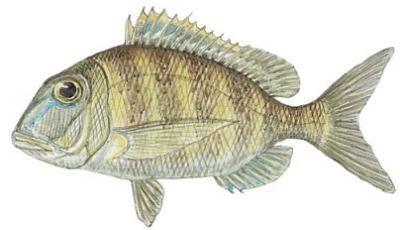
The Jolthead Porgy (Calamus bajonado) is a captivating member of the Sparidae family within the order Perciformes, and it's a favorite among recreational anglers throughout the western Atlantic Ocean. Known locally as the Bojanado in some US coastal communities, this fish earned its distinctive English name from its remarkable feeding behavior—it literally 'jolts' or snatches mollusks directly from rocky surfaces. What makes the Jolthead Porgy truly special is its unique appearance: a roundish head with a pointed snout, a small mouth positioned just right for its specialized feeding, and striking blue lines running beneath each eye. Unlike its more colorful porgy cousins, this species sports a duller brassy-silver coloring with bluish-to-brownish tones along its back and a distinctive orange-tinged mouth corner. Whether you're fishing around reefs in Florida or exploring nearshore habitats along the Atlantic seaboard, spotting a Jolthead Porgy is an exciting moment that speaks to the incredible biodiversity of our coastal waters.
Jolthead Porgy Overview
The Jolthead Porgy stands out as one of the most intriguing gamefish for both novice and experienced anglers. Despite being the dullest-colored member of its family, this fish punches well above its weight in terms of fighting ability and angling appeal. It's primarily a bottom-dweller, preferring to hunt along grass beds, offshore reefs, and rocky patches where its food sources congregate. The species is widely distributed and maintains stable populations throughout its range, making it a reliable target for fishing enthusiasts. Its solitary nature—though occasionally found in small schools—means encounters with this fish are always somewhat special. For visitors to coastal regions, particularly around major fishing destinations, the Jolthead Porgy represents an accessible yet challenging freshwater experience that doesn't require extensive offshore equipment or expertise.
Jolthead Porgy Habitat and Distribution
The Jolthead Porgy thrives in diverse coastal environments across the western Atlantic Ocean, ranging from the waters off Rhode Island all the way down to Brazil. This impressive geographic range includes the entire Gulf of Mexico, the Caribbean Sea, and the islands of the West Indies. The species typically inhabits depths between twenty and thirty feet, though it's quite adaptable and can venture into waters as deep as one hundred and fifty feet when pursuing food sources. Its preference for grass beds and reef structures makes it a common sight around artificial reefs and natural rock formations. The fish's ability to adjust to various habitats—from sandy bottoms to complex reef systems—demonstrates remarkable ecological flexibility. In many popular fishing regions, including areas near major coastal cities and islands, the Jolthead Porgy has established itself as a consistent presence, making it a predictable target for guided fishing expeditions and independent anglers alike.
Jolthead Porgy Size and Weight
Typical Jolthead Porgies generally range between fourteen and twenty inches in length, with weights averaging between thirteen and eighteen pounds for fish in this size range. However, exceptional specimens do exist—the world record individual measured more than twenty-four inches in length and weighed just over twenty-three pounds, a remarkable achievement that demonstrates the species' growth potential under optimal conditions. Most anglers encounter fish on the smaller end of the spectrum, and specimens exceeding twenty inches remain relatively rare. The modest average size shouldn't deceive anglers into thinking this fish is an easy catch; despite their dimensions, Jolthead Porgies are known for their surprising strength and determination when hooked. Their compressed lateral body structure combined with a highly arched back gives them an unexpected power and agility that often surprises first-time anglers targeting the species.
Jolthead Porgy Diet and Behavior
As a dedicated carnivore, the Jolthead Porgy specializes in feeding on crustaceans, soft-shelled mollusks, and occasional small fish—a diet that directly influences its feeding behavior and vulnerability to various angling techniques. The species earned its name through its distinctive hunting style: it approaches rocky or reef structures and uses quick, forceful movements to dislodge mollusks and other prey items from their anchor points. This voracious predator is known for its slow, methodical swimming pace when not actively hunting, though it can achieve impressive bursts of speed over short distances when pursuing food or escaping threats. The Jolthead Porgy is predominantly solitary, preferring to hunt independently rather than in groups, though occasionally small schools form around particularly productive feeding areas. This behavioral trait makes locating individual fish challenging but rewarding; when you hook a Jolthead, you're typically dealing with one committed predator rather than part of a larger school, which can lead to more predictable and exciting fishing experiences.
Jolthead Porgy Spawning and Seasonal Activity
The Jolthead Porgy demonstrates interesting migratory and spawning patterns that influence seasonal availability and catch rates throughout its range. During the summer months, these fish migrate toward deeper ocean waters to spawn, a behavior that temporarily moves populations away from traditional shallow-water fishing zones. This seasonal movement makes summer an intriguing time for adventurous anglers willing to venture into deeper offshore habitats. Understanding these spawning migrations is crucial for planning fishing expeditions and managing expectations about catch rates during different seasons. Outside of the spawning period, Jolthead Porgies remain relatively stable in their preferred shallow to moderate-depth habitats, making them accessible to shore-based and nearshore anglers throughout much of the year. Local fishing guides and marina staff can provide detailed seasonal information about peak activity periods and optimal times to target the species in your specific region.
Jolthead Porgy Techniques for Observation or Capture
Method One: Light Spinning and Baitcasting from Nearshore Platforms
The most accessible approach to catching Jolthead Porgies involves using light spinning or baitcasting tackle from nearshore locations, piers, or small boats. The key to success lies in using fresh or live bait—shrimp, crabs, mussels, clams, and strip fish all work exceptionally well. Cast near rocky outcrops, reef structures, or grass beds where these fish concentrate. Watch for the distinctive jerking movements that indicate feeding activity, then present your bait directly into these zones. The fight that follows can be surprisingly intense; these fish are known for attempting to snap lines by swimming through rocks and debris, so maintain steady pressure and be prepared for a fairly lengthy battle once you've achieved a solid hookset.
Method Two: Bottom Fishing with Dead Bait Around Offshore Reefs
For a more stationary approach, deploy bottom-fishing techniques around offshore reefs and rocky patches. Drop your baited line to the seafloor in depths ranging from twenty to one hundred and fifty feet, depending on seasonal distribution patterns. Allow the bait to sit naturally on the bottom where Jolthead Porgies conduct most of their feeding. This method works particularly well when targeting slightly deeper populations during summer months or when nearshore options prove less productive. The strike from a feeding Jolthead Porgy is often deliberate rather than explosive, so maintain constant vigilance and be ready to set the hook when you detect subtle line movement.
Method Three: Early Morning Shallow-Water Reef Exploration
Around major coastal regions like Madeira Beach, Florida—famous for producing the world record specimen—early morning fishing over shallow reefs and grass beds can be highly productive. Start your day just after dawn when water clarity is typically better and feeding activity increases. Navigate to known reef systems in fifteen to thirty feet of water and present live shrimp or small crabs just above the bottom. The calm early morning conditions allow for more precise bait presentation and better detection of feeding fish. This timing often produces more aggressive strikes and a higher success rate than midday fishing, particularly during warmer months.
Jolthead Porgy Culinary and Utilization Notes
The Jolthead Porgy is widely recognized as an excellent food fish, with firm white meat that possesses a delicate, subtly sweet flavor that appeals to many palates. The culinary versatility of this species is impressive—it can be successfully grilled, steamed, fried, or baked, adapting well to various cooking methods and flavor profiles. Many coastal restaurants and home cooks prize the Jolthead Porgy for its consistent meat quality and reliable taste. However, it's worth noting that isolated cases of Ciguatera toxin poisoning have been documented from consuming this species, typically associated with fish caught in specific tropical regions where the toxin naturally accumulates in reef fish. This risk is generally minimal in most fishing areas but warrants awareness, particularly if you're harvesting fish from unknown or potentially problematic reefs. Nutritionally, the species provides excellent protein and beneficial omega-3 fatty acids, making it a healthy addition to a balanced diet when prepared responsibly and sourced from established, reliable fishing grounds.
Jolthead Porgy Frequently Asked Questions
Q: What is the best bait for catching Jolthead Porgies?
A: Live or fresh shrimp, crabs, mussels, clams, and strip fish are all highly effective. The key is presenting fresh, vibrant bait near rocky structures or reef systems where these bottom-feeders naturally hunt. Many experienced anglers prefer live bait for triggering more aggressive strikes, though fresh dead bait often works equally well.
Q: Where can I find Jolthead Porgies near Madeira Beach, Florida?
A: Madeira Beach offers exceptional Jolthead Porgy fishing, particularly around nearshore reef systems and offshore structures in twenty to fifty feet of water. Charter services operating from Madeira Beach can direct you to proven fishing grounds where Jolthead Porgies congregate. The area's historical significance—it produced the world record catch in 1990—speaks to its continued productivity for this species.
Q: Is Jolthead Porgy good to eat?
A: Absolutely. The meat is firm with a delicate, sweet flavor that many anglers and chefs consider superior to several other porgy species. It takes well to most cooking methods including grilling, steaming, frying, and baking. The white flesh is versatile and works in everything from simple pan-fried preparations to complex seafood dishes.
Q: When is the best time to catch Jolthead Porgies?
A: Year-round fishing is possible, but summer months see seasonal migration to deeper waters for spawning. Spring and fall typically offer excellent shallow-water fishing opportunities. Early morning hours consistently produce better results, as feeding activity peaks after sunrise and before midday heat reduces bite rates.
Q: How strong is a Jolthead Porgy when hooked?
A: Despite modest size, this species is surprisingly powerful and known for fighting tenaciously. It frequently attempts to snap lines by swimming through rocks and reef structures, so use appropriate tackle and maintain steady pressure throughout the fight. Most experienced anglers describe the battle as exciting and somewhat challenging even for modest-sized specimens.
Q: Can Jolthead Porgies be caught commercially, and is the population stable?
A: Yes, they're caught using trawls, longlines, and hook-and-line methods in commercial operations. More importantly, the species maintains stable, widely distributed populations throughout its range in the western Atlantic, making it a sustainable target for both recreational and commercial fishing. Their ecological resilience and adaptability have allowed populations to remain healthy despite fishing pressure.

Greater Amberjack Overview
The Greater Amberjack (Seriola dumerili) is a prized saltwater game fish belonging to the family Carangidae and order Perciformes. Known for its distinctive bluish-grey coloring and characteristic amber stripe running along its body, this powerful predator is one of the most sought-after species by recreational anglers across North America. With its slender frame, pointed head, and aggressive feeding behavior, the Greater Amberjack stands out in offshore and reef environments as a true test of skill and endurance. This fish is not only popular for its size—reaching up to 6 feet in length—but also for its high-quality meat and significant commercial value. Whether you're fishing off the Gulf of Mexico or exploring the Caribbean, encountering a Greater Amberjack represents an unforgettable offshore adventure.
Greater Amberjack Habitat and Distribution
Greater Amberjack are found along the eastern coast of the United States in the Atlantic Ocean, ranging through the Gulf of Mexico to the Caribbean Sea. These fish thrive in offshore environments, particularly around reefs and wrecks where they hunt smaller fish and invertebrates. The species is native to these waters and has become a cornerstone of both recreational and commercial fisheries throughout the region. Their preference for structure—whether natural reefs or artificial wrecks—makes them relatively predictable targets for experienced anglers who know how to work these habitats effectively.
Greater Amberjack Size and Weight
These impressive fish typically grow between 60 to 75 inches in length, with weights ranging from 40 to 200 pounds. On average, Greater Amberjack reach around 39 pounds, though larger specimens are regularly caught. They can live up to 17 years in the wild, reaching sexual maturity at approximately 4 to 5 years of age. Interestingly, female Greater Amberjack tend to grow larger and live longer than their male counterparts, making them particularly prized catches for trophy-focused anglers.
Greater Amberjack Diet and Behavior
As apex predators in their marine ecosystem, Greater Amberjack are aggressive and opportunistic feeders. Their diet consists primarily of smaller fish and marine invertebrates, including squid, crustaceans, sardines, and bigeye scad. This species is not particularly picky about its prey, which works to the advantage of anglers using a variety of lures and baits. The fish display explosive feeding behavior, particularly when excited or competing for food, which is when the distinctive dark amber stripe on their head becomes even more pronounced. Their position at the top of the marine food chain means they accumulate higher levels of natural toxins, which is worth considering for culinary purposes.
Greater Amberjack Spawning and Seasonal Activity
The Greater Amberjack spawning period occurs from April through May, making spring an exciting time for offshore anglers. During this reproductive season, fish congregate in deeper waters and may be more aggressive as they prepare for spawning events. Understanding this seasonal pattern helps anglers time their trips for optimal encounters with active, feeding fish. The species maintains relative activity throughout the year in offshore and reef environments, though spring and early summer typically offer the best combination of accessibility and aggressive behavior.
Greater Amberjack Techniques for Observation or Capture
Trolling and Drifting: One of the most effective methods for Greater Amberjack involves trolling or drifting over known reef and wreck structures. Anglers use heavy rods and reels with lines testing 50 pounds or more, equipped with metal jigs, spoons, or plugs. This technique allows you to cover water systematically and present lures at the right depth where these fish patrol. Around popular offshore destinations along the Gulf Coast, guides often recommend drifting with live baitfish—particularly sardines or other small fish—which consistently produce results due to the species' predatory nature.
Casting and Light Tackle: Experienced anglers can achieve success with lighter spinning and baitcasting rigs, and even fly rods in certain conditions. Jigs, poppers, and fly streamers work exceptionally well when casting around wreck structures or reef formations. This method requires precision and patience but offers the added excitement of sight-casting and feeling direct strikes through lighter tackle. The key is accurate placement near structure combined with aggressive retrieves that trigger competitive feeding responses.
Live Baitfish Presentation: Whether using heavy or light tackle, presenting live baitfish—particularly larger specimens—remains one of the most reliable techniques for targeting Greater Amberjack. Live fish appeal to their predatory instincts and often outperform artificial lures, especially when fishing deeper wreck environments where the fish may be less reactive to visual stimuli. Slow presentations that allow the baitfish to move naturally often result in explosive strikes.
Greater Amberjack Culinary and Utilization Notes
Greater Amberjack is greatly prized for its high-quality meat and represents one of the most commercially important species around the Mediterranean, and in North and South America. The flesh is firm, mild, and versatile for cooking, making it popular in both recreational and commercial markets. However, potential anglers should be aware that as an apex predator, Greater Amberjack can accumulate ciguatera toxins, particularly in larger specimens from tropical waters. This doesn't prevent consumption, but it's worth researching specific locations and considering fish size when deciding whether to keep your catch for culinary purposes. Many anglers practice catch-and-release to preserve populations while still enjoying the thrill of the fight.
Greater Amberjack Frequently Asked Questions
Q: What is the best bait for catching Greater Amberjack?
A: Live baitfish such as sardines, bigeye scad, and other small fish are highly effective, particularly when using heavy tackle in deeper water. Metal jigs, spoons, and large plugs also work well for anglers who prefer artificial lures. The key is matching the size and presentation to the fishing conditions—what works on a shallow reef may differ from what succeeds over a deep wreck.
Q: Where can I find Greater Amberjack fishing opportunities in the Gulf of Mexico?
A: Greater Amberjack are abundant throughout the Gulf of Mexico, particularly around established offshore reefs and wreck structures. Popular destinations include areas off the Florida panhandle, Louisiana coast, and throughout the Caribbean. Charter services and local fishing guides can direct you to productive locations based on current conditions and seasonal patterns.
Q: Is Greater Amberjack good to eat?
A: Yes, Greater Amberjack has high-quality, firm white meat that is excellent for grilling, baking, or pan-searing. However, larger fish from tropical waters may carry ciguatera toxins, so it's advisable to research your specific fishing location and consider the size of your catch. Many anglers enjoy the culinary aspect, while others practice catch-and-release for conservation and the pure sport of fishing.
Q: When is the best time to catch Greater Amberjack?
A: While Greater Amberjack are available year-round in offshore and reef environments, spring (April through May) is particularly productive as they prepare for their spawning season and display aggressive feeding behavior. Summer and early fall also offer excellent opportunities, with the species remaining active as long as water temperatures remain stable and reef structures provide adequate hunting grounds.
Q: What tackle should I use for Greater Amberjack?
A: Heavy tackle with 50-pound test or higher is standard, especially for offshore wreck fishing where larger specimens and snag hazards are common. However, experienced anglers can succeed with lighter spinning or even fly tackle in shallower reef environments. The choice depends on your skill level, the specific fishing location, and whether you're targeting trophy-size fish or simply seeking an active, exciting experience.
Q: How long do Greater Amberjack live, and when do they mature?
A: Greater Amberjack can live up to 17 years in the wild, reaching sexual maturity around 4 to 5 years of age. Females generally grow larger and live longer than males, making them particularly valuable in terms of breeding populations. Understanding their life cycle helps anglers practice responsible catch-and-release, particularly for younger fish that haven't yet contributed to spawning aggregations.
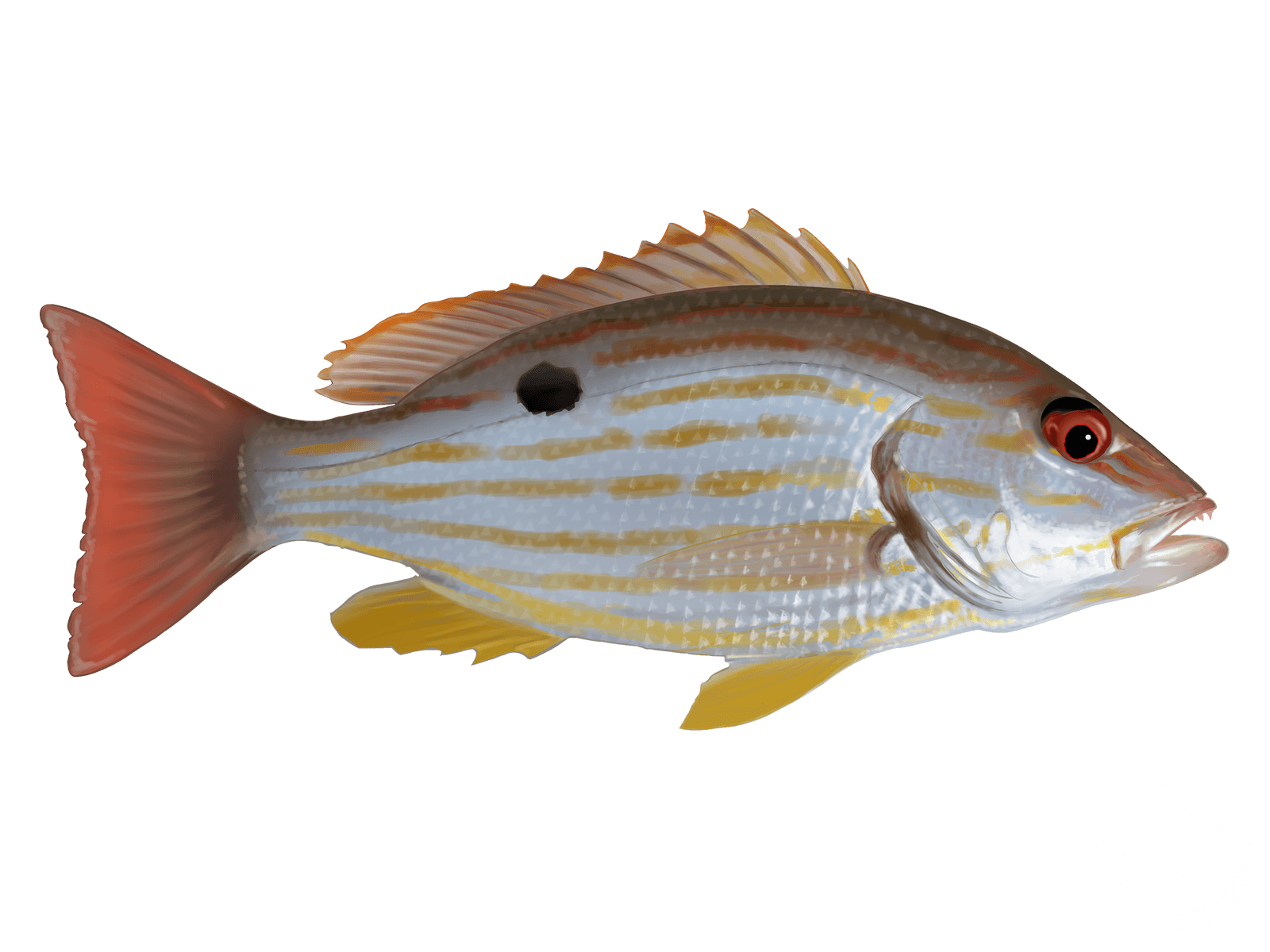
Lane Snapper Overview
The Lane Snapper (Lutjanus synagris) is a vibrant and spirited member of the Lutjanidae family within the order Perciformes. This almond-shaped coral fish gets its name from the striking pink and yellow lines that run along its silver body, resembling colorful candy cane stripes or traffic lanes. Found throughout the western Atlantic Ocean from North Carolina down to Brazil, the Lane Snapper is a favorite among both recreational anglers and seasoned fishermen seeking an exciting catch with good food value. Known for their aggressive nature and willingness to strike, these fish are often referred to as a "dessert fish" by locals because they frequently end up in coolers as delightful bonuses when anglers are targeting red snappers and other species. What makes this species particularly fascinating is their documented ability to hybridize with closely related species like the Yellowtail Snapper, suggesting a genetic similarity that scientists continue to study with great interest.
Lane Snapper Habitat and Distribution
Lane Snappers thrive in diverse marine environments throughout the western Atlantic, with their range stretching from the coastal waters of North Carolina through the Gulf of Mexico, down the Caribbean, and as far south as Brazil. Higher population concentrations are typically found in the Antilles off the Panama Coast and along the northern coast of South America, making these regions prime destinations for fishing expeditions. Adult Lane Snappers generally remain in the same territory for their entire lifespan, showing strong site fidelity to their preferred hunting grounds. While these fish have been recorded at depths reaching 1,300 feet in offshore waters, they most commonly thrive between 69 and 230 feet of water. Larger specimens tend to congregate in relatively shallow waters, though they become less abundant in these areas. Their preferred habitats include coral reefs and sandy bottoms abundant with vegetation, where they can hunt effectively for prey. They adapt well to both pristine and murky water conditions, making them accessible to anglers in various coastal and nearshore environments. The species also inhabits the waters around Bermuda and throughout the Gulf of Mexico, providing excellent opportunities for targeting them across a wide geographic range.
Lane Snapper Size and Weight
Lane Snappers are generally modest in size compared to larger snapper species, typically ranging from 10 to 24 inches in length, with most fish averaging around 20 inches. While they're not considered trophy fish in the traditional sense, their spirited fighting ability makes them exciting quarry regardless of size. Weight-wise, these fish generally tip the scales at a minimum of 3 pounds, with average catches hovering around 7 pounds. The current world record for a Lane Snapper stands at an impressive 8 pounds and 3 ounces, a benchmark that motivates many anglers seeking their personal best. These size ranges make them excellent table fare as well—large enough to provide a satisfying meal yet small enough to handle with standard fishing equipment and coolers. Their compact but powerful build contributes to their reputation as scrappy fighters when hooked.
Lane Snapper Diet and Behavior
Lane Snappers are carnivorous bottom feeders with a diverse and opportunistic diet that reflects their aggressive hunting style. Their primary prey includes small crustaceans such as swimming crabs, mantis shrimp, rock shrimp, and freshwater shrimp, along with mollusks, snails, smaller fish species, and cutlassfish. These fish typically feed along the ocean floor, using their keen senses to locate movement and vibrations from potential meals. They are primarily nocturnal feeders, showing increased feeding activity during evening and nighttime hours, which is crucial information for anglers planning their fishing trips. Their behavior is notably less wary than many other game fish species—they don't hesitate to strike at hooks and lines with enthusiasm, though once hooked they put up a spirited battle that keeps anglers engaged. Lane Snappers often school together, particularly around structure like coral reefs and vegetated sandy areas, increasing the likelihood of multiple catches in productive zones. Their aggressive temperament and willingness to feed consistently throughout the day make them relatively easy to target compared to more cautious species.
Lane Snapper Spawning or Seasonal Activity
The spawning season for Lane Snappers extends from March through September, with activity intensifying during these warmer months when water temperatures are optimal for reproduction. Fish generally reach sexual maturity and reproductive readiness at around 6 inches in length, considerably smaller than their adult size. During the breeding season, anglers can expect to find Lane Snappers in large congregations, increasing the odds of successful catches significantly. The spawning mechanism involves eggs that drift freely in water currents, with remarkably rapid hatching occurring within just 23 hours of fertilization. This extended spawning period, spanning seven months of the year, means that productive fishing windows remain open for much of the warmer season. Understanding this seasonal pattern helps anglers plan trips during peak abundance periods when numbers are highest and feeding activity is most aggressive.
Lane Snapper Techniques for Observation or Capture
Method 1: Hook and Line with Live Bait
The most effective and popular technique for catching Lane Snappers involves traditional hook and line fishing with live or fresh-frozen baits. Optimal bait choices include live or dead shrimp, squid, fresh-cut bait, and small minnows—all of which readily entice these aggressive feeders. Target areas around coral reefs and vegetated sandy bottoms in inshore and nearshore waters, positioning yourself over structure where snappers naturally congregate. Fish during evening and nighttime hours when feeding activity peaks, or time your trips during the March-through-September spawning season when populations are densest. Use standard-weight casting or spinning gear suitable for bottom fishing, dropping your baited rig to depths between 69 and 230 feet where Lane Snappers most commonly hunt. Around Florida's Gulf Coast and the Caribbean islands, the combination of coral reefs and sandy structure near passes and drop-offs consistently produces excellent results.
Method 2: Synthetic Lures and Jigging
While live bait remains the primary choice, Lane Snappers also respond well to artificial lures, particularly small jigs and soft plastic baits that mimic their natural prey. Cast or jig these lures near coral head structures and along sandy bottom transitions where snappers patrol for food. This method works particularly well during peak feeding times and allows for more active fishing that covers larger areas. The aggressive nature of Lane Snappers means they strike decisively at moving targets, providing good odds for successful hook-ups when you locate productive zones.
Method 3: Night Fishing During Breeding Season
Capitalize on their nocturnal feeding behavior and spawning season congregation by planning night fishing expeditions from March through September. Use lights to attract baitfish and smaller organisms that snappers feed upon, which naturally draws the larger predators to your fishing location. Position yourself in nearshore waters between 69 and 230 feet deep over structure, keeping in mind that Lane Snappers often congregate in large numbers during these months.
Lane Snapper Culinary or Utilization Notes
Lane Snappers are considered good eating with firm, white flesh that takes well to various cooking methods. The food quality is rated as good odds, making them a worthwhile catch for anglers interested in fresh seafood. Their modest size of 7-8 pounds on average provides ideal portions for a family meal or small group feast. The flesh has a mild, slightly sweet flavor that appeals to most palates, making them excellent candidates for grilling, baking, pan-searing, or frying. Sustainability-wise, while they're not currently listed as endangered, practicing catch-and-release for smaller specimens and adhering to local regulations ensures continued healthy populations for future generations. Their versatility in the kitchen and consistent availability make them a staple target for culinary-minded anglers throughout their range.
Lane Snapper Frequently Asked Questions
Q: What is the best bait for catching Lane Snappers?
A: Live or fresh-frozen shrimp, squid, cut bait, and small minnows are all highly effective choices. Lane Snappers respond aggressively to these baits, particularly when presented on the ocean floor near coral reefs and vegetated sandy areas. The species is not particularly selective, making bait fishing highly productive compared to many other snapper species.
Q: Where can I find Lane Snappers near popular fishing destinations?
A: Lane Snappers are abundant throughout the Caribbean, Gulf of Mexico, and along the Florida coast, particularly around Bermuda and throughout the Antilles. Focus on inshore and nearshore coral reef structures in depths between 69 and 230 feet. Local fishing charters and bait shops in major ports can provide current information on productive zones and recent catches in your specific area.
Q: Is the Lane Snapper good to eat?
A: Yes, absolutely! Lane Snappers provide good-quality table fare with firm, white flesh that has a mild, slightly sweet flavor. Their average size of 7-8 pounds provides excellent portions for cooking, and they take well to grilling, baking, pan-searing, and frying. Many anglers specifically target them for both the fight and the meal.
Q: When is the best time to catch Lane Snappers?
A: The spawning season from March through September offers the best odds, as fish congregate in large numbers during these warmer months. Within each day, nighttime and evening hours produce the most aggressive feeding activity. Early morning hours just after sunrise can also be productive, though nighttime fishing typically yields superior results.
Q: Why are Lane Snappers called "dessert fish"?
A: This nickname refers to their frequent appearance as pleasant bonus catches when anglers are targeting other species like red snappers, grouper, and squid. They're not usually the primary target but rather an unexpected treat that ends up in the cooler—hence the dessert reference.
Q: Can Lane Snappers hybridize with other species?
A: Yes, Lane Snappers are known to cross-breed with Yellowtail Snappers and other closely related species, with documented hybrid catches occurring repeatedly. This genetic compatibility suggests that these species share more similarities than previously believed, and these hybrids are occasionally encountered by anglers fishing in overlapping habitats.