%2Ffit-in%2F250x250%2Fguide_websites%2F461%2Fimages%2Frich%20adler%20horizontal%20v2.png&w=1920&q=100)
Fresh Catch: Lane Snapper & Blackfin Tuna in Riviera Beach
Offshore Fishing Adventure in Riviera Beach - What to Expect
%2F%2Fusers%2F33cfca0a-ab78-43c3-9e45-e9d8978f141f%2Fimages%2Friviera-beach-fishing-catch-mixed-3243.jpg&w=1920&q=75)
Fishing Charter by Captain Rich Adler in April

Meet your Captain Rich Adler
- Palm Beach Sportfishing - Tuna, Wahoo and more!




Summary
This fishing charter departure from Riviera Beach showcases a successful catch featuring Lane Snapper, White Grunt, and Blackfin Tuna. Captain Rich Adler of Tuna Wahoo Charters delivered an impressive haul on Friday, April, demonstrating the rich offshore fishing opportunities around West Palm Beach and the productive waters that make this region a premier destination for serious anglers.
Fishing Charter with Captain Rich Adler - Rates & Booking
Captain Rich Adler of Tuna Wahoo Charters was operating out of Riviera Beach on Friday, April, bringing back a diverse and rewarding catch. This fishing charter targets the productive offshore waters surrounding West Palm Beach, where shallow reefs and deeper drop-offs hold abundant populations of premium game and table fish.
When you book a charter with Captain Rich Adler, you're gaining access to years of local expertise and knowledge of the best fishing grounds. The waters off Riviera Beach offer consistent opportunities throughout the year, with spring and fall bringing particularly strong activity. Contact Tuna Wahoo Charters directly to inquire about current rates, available dates, and what's included in your charter package. Book online or call to reserve your spot on the water.
Highlights of This Offshore Fishing Charter
The catch documented here reflects the species diversity available just minutes from the Riviera Beach docks. Lane Snapper, prized for their firm, delicate meat and acrobatic runs, inhabit the rocky bottom structures between 60 and 120 feet of water. White Grunt, equally targeted by local anglers, school around similar reef and rocky outcrops, offering fast action and reliable hookups. Blackfin Tuna, the apex species in this trio, represents the thrill factor - these streamlined speedsters demand light tackle finesse and deliver explosive strikes that test both angler skill and equipment.
This mix of catches illustrates the versatility of fishing in this region. Morning hours often produce the most aggressive feeding, with fish responding eagerly to live bait and precision jigging techniques. The offshore environment remains cooler than nearshore waters, creating conditions where fish stay active and feeding throughout the day.
Local Species Insights: Lane Snapper, White Grunt & Blackfin Tuna
Lane Snapper thrive in the reef and rocky habitats that dot the continental shelf off Riviera Beach. These colorful fish, identifiable by their pink body and distinctive black lateral stripe, typically range from 1 to 3 pounds, though larger specimens occasionally appear. They're aggressive bottom feeders that respond well to live pinfish, ballyhoo, and small squid. The shallow offshore structure they prefer makes them accessible to anglers of varying skill levels.
White Grunt represent the bread-and-butter fishing experience around West Palm Beach. Named for the grunting sound they produce when stressed, these robust fish congregate in schools around rocky outcrops and wreck structures. They're forgiving targets for newer anglers while remaining satisfying for experienced offshore fishermen. Their abundance and eagerness to bite make them reliable confidence-builders during any charter outing.
Blackfin Tuna are the wild card - the fish that makes hearts race and adrenaline spike. These smaller cousins of the yellowfin tuna patrol deeper water looking for baitfish schools. When hooked, they strip line at alarming speeds, demand quick reactions, and require technique to land successfully. A Blackfin on the deck represents the pinnacle moment of many offshore fishing days, and their presence in today's catch reflects Captain Rich Adler's ability to locate productive feeding grounds.
The waters offshore from Riviera Beach create a natural meeting point for these species. Baitfish congregate around structure, reef systems attract snappers and grunts seeking shelter and food, and deeper channels funnel tuna through predictable patrol routes. Understanding these ecological patterns, combined with seasonal timing and weather conditions, separates successful charter operators from the rest.
Spring fishing, like this Friday departure, offers ideal conditions. Water temperatures stabilize in the 70s, thermoclines develop at predictable depths, and fish become increasingly active as they prepare for summer spawning. The offshore breeze typically remains manageable, seas moderate, and visibility on the reef allows precise presentations to feeding fish.
Whether you're targeting the table-quality flesh of Lane Snapper, the reliable action of White Grunt, or the heart-pounding excitement of Blackfin Tuna, this region delivers consistent results. Book your charter with Captain Rich Adler and Tuna Wahoo Charters to experience the same productive waters and expert guidance that made this outing successful.
Fishing in West Palm Beach: Blackfin Tuna, Lane Snapper and White Grunt
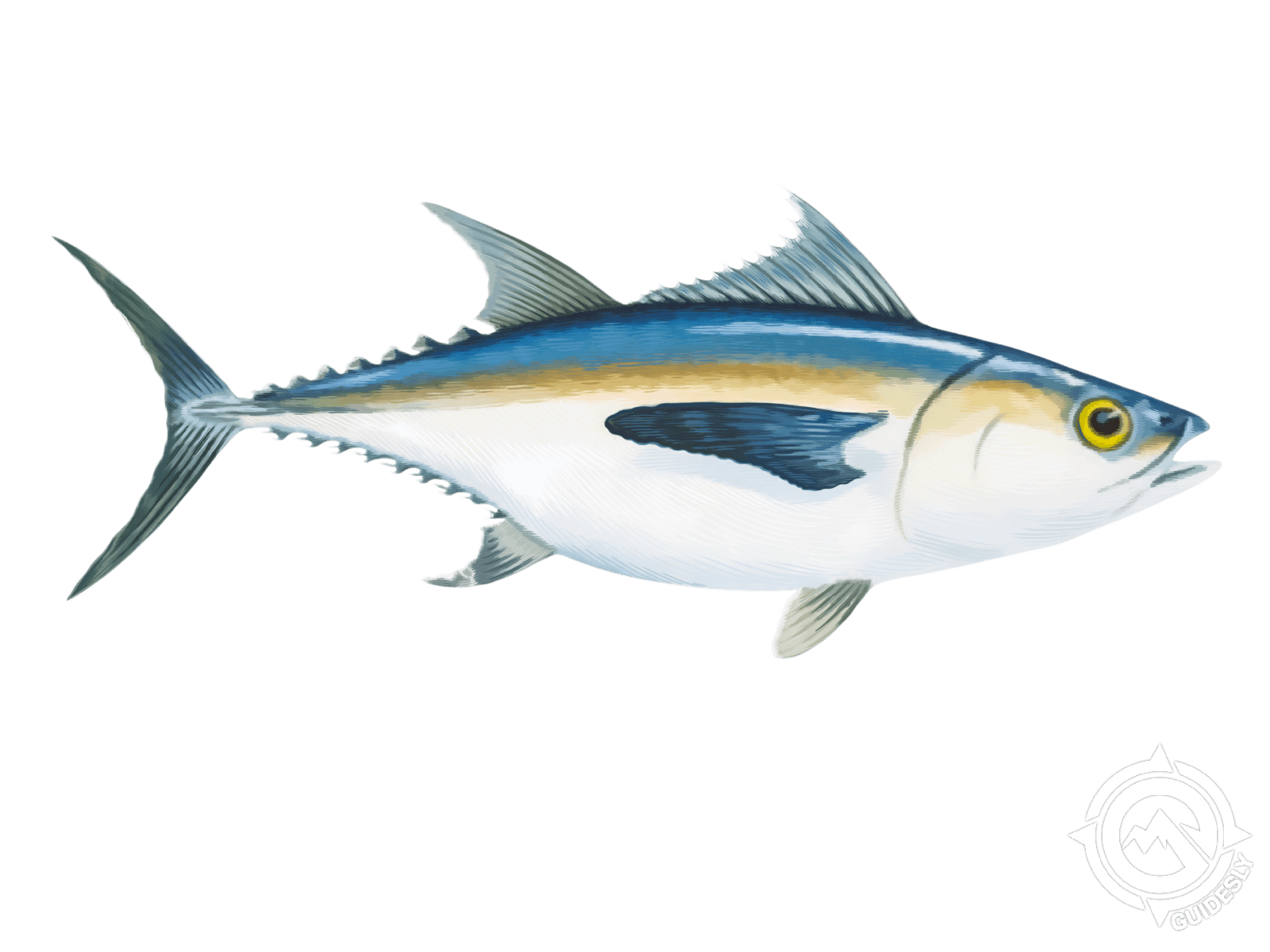
Blackfin Tuna Overview
The Blackfin Tuna (Thunnus atlanticus) is a remarkable member of the Scombridae family within the order Perciformes. Also known as the Deep-Bodied Tunny, Albacore, or Bonite Nore in French, this species represents the smallest tuna in the Thunnus genus, yet punches well above its weight in terms of fighting spirit and culinary value. What makes the Blackfin Tuna truly special is its stunning coloration—a sleek black body adorned with faded yellow finlets, a striking golden lateral band that unfortunately fades upon death, and distinctive bronze reflections on its dorsal finlets. Found predominantly in warm offshore waters from the Gulf of Mexico to the Caribbean Sea and extending to Martha's Vineyard in Massachusetts, this highly migratory species has become a cornerstone of both recreational and commercial fisheries, particularly around the Florida Keys where anglers flock year-round to test their skills against these fierce fighters.
Blackfin Tuna Habitat and Distribution
Blackfin Tuna thrive in warm oceanic waters where temperatures consistently exceed 68°F, making them seasonal visitors to more temperate regions during summer months. The species concentrates heavily in the Gulf of Mexico, Caribbean Sea, and along the continental shelves where they hunt in large schools. In the United States, their range is somewhat limited, with the most reliable populations found along Florida's coast, particularly in the Florida Keys during autumn, winter, and spring when water conditions prove most favorable. These fish typically inhabit areas near the continental shelf break, preferring oceanic waters close enough to the coastline to support their migratory feeding patterns. The migration habits of Blackfin Tuna make them predictable quarries for experienced anglers who understand seasonal movements and water temperature preferences.
Blackfin Tuna Size and Weight
While individual Blackfin Tuna can reach impressive sizes for their species, they typically grow to lengths between 7 and 43 inches, with weights generally ranging from 2 to 20 pounds. However, larger specimens have been documented reaching up to 39 inches and weighing as much as 46 pounds, making trophy catches relatively attainable for dedicated anglers. What's particularly interesting about this species is its rapid growth rate—a five-year-old Blackfin Tuna is already considered old, underscoring the species' accelerated life cycle compared to larger tuna varieties. The average fish encountered by recreational anglers typically falls in the 15 to 30-pound range, offering manageable yet exciting battles on medium to light tackle. This size range makes them particularly appealing to visiting anglers who want the thrill of tuna fishing without requiring heavy-duty offshore equipment.
Blackfin Tuna Diet and Behavior
Blackfin Tuna are aggressive predators with remarkably diverse diets that reflect their adaptability to offshore environments. These fish feast primarily on small fish and squid, but they also readily consume larvae of decapods, stomatopods, and amphipods, along with crustaceans such as crabs and shrimp. Their cannibalistic tendencies suggest a fierce competitive nature within schools, and they themselves fall prey to larger species including Skipjack Tuna, Blue Marlin, and Dolphinfish. What's particularly noteworthy is their exceptional eyesight, which means they can spot both prey and potential threats from considerable distances. This keen vision directly influences fishing techniques and tackle choices—anglers must scale down leaders and hooks to avoid detection. Behaviorally, Blackfin Tuna are highly social fish that create massive schools, often mixed with Skipjack Tuna, and maintain constant movement in search of food. Their migratory patterns follow seasonal water temperature changes, with fish moving toward warmer equatorial waters during winter months and pushing northward as summer approaches.
Blackfin Tuna Spawning and Seasonal Activity
The seasonal activity patterns of Blackfin Tuna create distinct windows of opportunity for anglers throughout their range. These fish reach peak abundance in the Florida Keys during autumn, winter, and spring months when water temperatures stabilize in their preferred range. Summer brings migration to more temperate waters, with specimens appearing as far north as Martha's Vineyard in Massachusetts during the warmest months. While specific spawning details for Blackfin Tuna remain less documented than for larger tuna species, their rapid growth and short lifespan suggest concentrated reproductive periods, likely aligned with their migration cycles. Understanding these seasonal shifts proves crucial for planning fishing expeditions—spring and fall offer particularly productive windows when concentrations peak before seasonal migrations disperse populations. The migratory nature of the species also means that local populations fluctuate predictably throughout the year, with summer months offering opportunities in northern waters and winter months concentrating fish in southern reaches.
Blackfin Tuna Techniques for Observation and Capture
Trolling and Drift Fishing: Among the most effective methods for targeting Blackfin Tuna, trolling with small lures or feathered jigs can produce explosive strikes. Position your vessel along the continental shelf break where baitfish congregate, maintaining speeds between 6 and 10 knots. Drift fishing in areas with visible baitfish activity also proves highly productive, allowing you to cover water while presenting natural prey patterns. Around the Florida Keys and offshore banks, morning hours typically produce the fastest action, with fish responding aggressively during low-light periods.
Vertical Jigging and Chunking: According to seasoned offshore anglers, vertical jigging represents perhaps the most effective technique for consistently catching Blackfin Tuna, particularly when fishing deep structure or continental shelf edges. Drop metal jigs (3 to 6 ounces) to appropriate depths and work them with sharp, aggressive strokes. Chunking—distributing cut baitfish to establish a slick—complements jigging beautifully by attracting fish to your location. Use live pilchards as chum to draw feeding fish closer to your boat, then entice them with appropriately sized baits or jigs. Position your vessel upcurrent to allow the scent trail to flow naturally toward feeding zones.
Light Tackle Presentation with Live Bait: Deploying live baitfish on appropriately scaled tackle creates exciting opportunities for active Blackfin Tuna. Use 5/0 to 6/0 circle hooks paired with #30 fluorocarbon leaders to minimize visibility to these sharp-eyed predators. Live mullet, mackerel, or pilchards presented on spinning or conventional light tackle often produce strikes from opportunistic fish. Cast near visible baitfish schools or structure, allowing live baits to work naturally while maintaining light contact with your line.
Blackfin Tuna Culinary and Utilization Notes
The Blackfin Tuna has earned an excellent reputation in culinary circles, with flesh prized for its superior taste and firm texture. Commercially, these fish are typically marketed fresh immediately after harvest, then processed and canned for broader distribution. The meat ranges from pink to deep red depending on diet and individual fish condition, and it remains excellent for grilling, searing, and poke preparations. Nutritionally, Blackfin Tuna provides abundant protein, omega-3 fatty acids, and essential minerals, making it a healthy protein choice. Unlike some larger tuna species, Blackfin Tuna have not appeared on Greenpeace International's seafood red list, making them a more sustainable seafood choice compared to certain other commercial tuna varieties. For recreational anglers, the opportunity to catch and consume fresh Blackfin Tuna represents a genuine treat—few culinary experiences rival freshly caught tuna prepared within hours of landing.
Blackfin Tuna Frequently Asked Questions
Q: What is the best bait and tackle setup for catching Blackfin Tuna?
A: Circle hooks in 5/0 to 6/0 sizes paired with #30 fluorocarbon leaders prove optimal, as Blackfin Tuna possess exceptional eyesight and can detect heavier, more visible gear. Live pilchards, mullet, or mackerel work wonderfully as live baits, while cut mackerel or bonito effectively chunks for chum lines. Light to medium conventional or spinning reels handle these fish well, with 20 to 30-pound braid providing adequate power and sensitivity.
Q: Where can I find Blackfin Tuna near the Florida Keys?
A: The continental shelf breaks and offshore banks surrounding the Florida Keys hold consistent populations, particularly during autumn, winter, and spring. Areas like the Tortugas, the Marquesas, and offshore structure between Key West and Dry Tortugas produce reliable action. Local charter captains can guide you to current hotspots, as conditions and fish movements shift seasonally and based on water temperature and baitfish availability.
Q: When is the best time to catch Blackfin Tuna?
A: Peak seasons occur during autumn, winter, and spring in southern waters like the Florida Keys, while summer months extend opportunities northward to Martha's Vineyard in Massachusetts. Within any given day, early morning and late afternoon hours typically produce the most aggressive feeding activity, particularly during low-light periods when these visual predators hunt most effectively.
Q: Is Blackfin Tuna good to eat?
A: Absolutely—Blackfin Tuna ranks among the finest eating tuna species available to recreational anglers. The flesh is firm, flavorful, and superbly tasty whether grilled fresh, used for sashimi, or prepared in poke preparations. The excellent odds for food quality make this species a worthwhile target not just for the fight, but for the culinary reward upon landing.
Q: How do I locate Blackfin Tuna without a fish finder?
A: Look for visible baitfish schools, diving seabirds, and surface activity along continental shelf edges and structure. Blackfin Tuna often feed aggressively on baitfish at the surface, creating visible splashes and commotion. Troll or drift through areas where baitfish appear concentrated, watching for predatory activity. Early morning light provides the best visibility for spotting feeding fish.
Q: What parasites affect Blackfin Tuna and does this impact eating quality?
A: While Blackfin Tuna can host copepods, gillworms, tapeworms, and flukes like many marine fish, proper filleting and cooking techniques eliminate parasitic concerns. Thorough cleaning, removing viscera and gills immediately after capture, and cooking fish to appropriate temperatures ensures food safety. Commercially processed fish undergo additional inspection and processing standards that further reduce any parasitic risk.
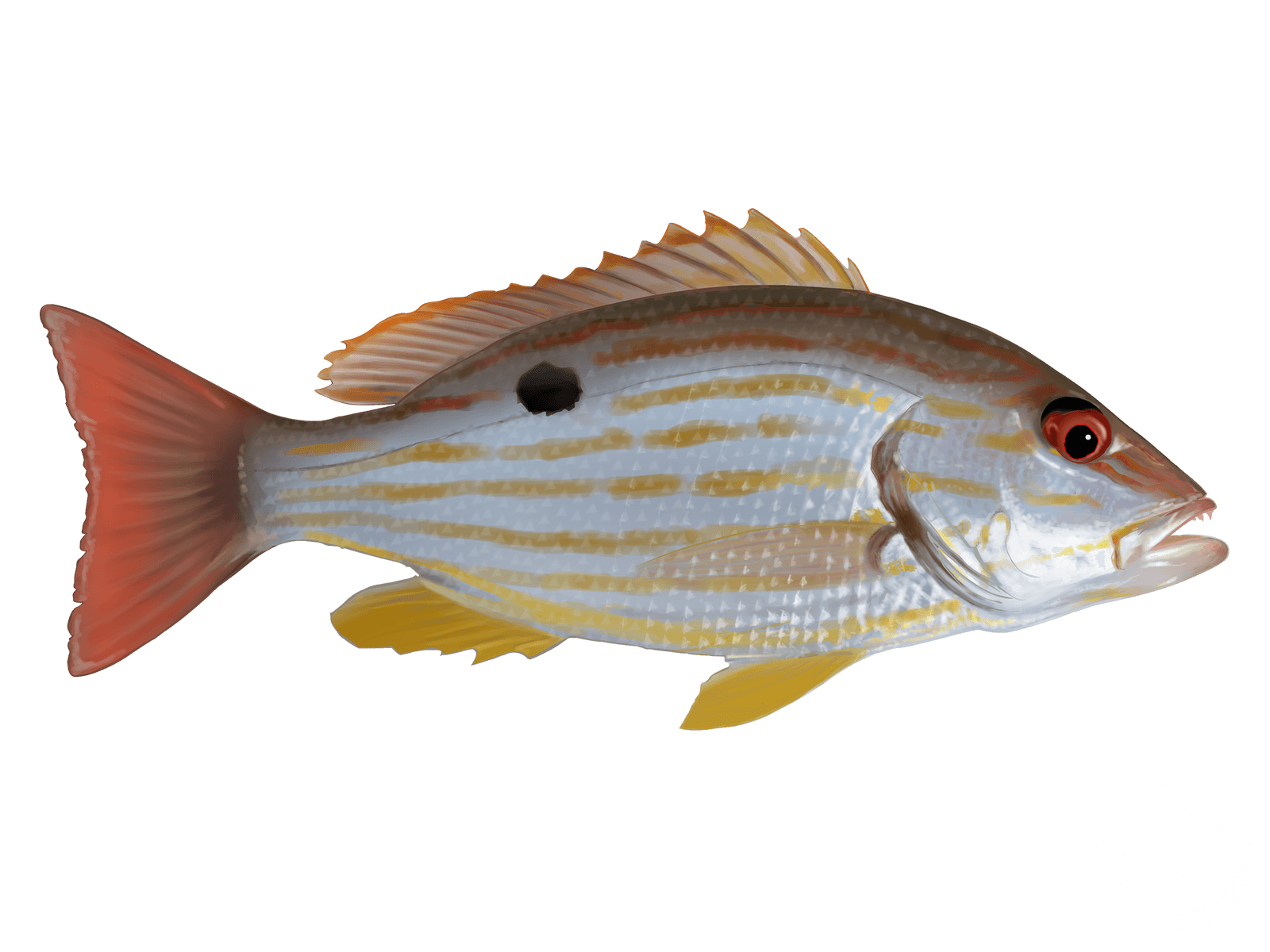
Lane Snapper Overview
The Lane Snapper (Lutjanus synagris) is a vibrant and spirited member of the Lutjanidae family within the order Perciformes. This almond-shaped coral fish gets its name from the striking pink and yellow lines that run along its silver body, resembling colorful candy cane stripes or traffic lanes. Found throughout the western Atlantic Ocean from North Carolina down to Brazil, the Lane Snapper is a favorite among both recreational anglers and seasoned fishermen seeking an exciting catch with good food value. Known for their aggressive nature and willingness to strike, these fish are often referred to as a "dessert fish" by locals because they frequently end up in coolers as delightful bonuses when anglers are targeting red snappers and other species. What makes this species particularly fascinating is their documented ability to hybridize with closely related species like the Yellowtail Snapper, suggesting a genetic similarity that scientists continue to study with great interest.
Lane Snapper Habitat and Distribution
Lane Snappers thrive in diverse marine environments throughout the western Atlantic, with their range stretching from the coastal waters of North Carolina through the Gulf of Mexico, down the Caribbean, and as far south as Brazil. Higher population concentrations are typically found in the Antilles off the Panama Coast and along the northern coast of South America, making these regions prime destinations for fishing expeditions. Adult Lane Snappers generally remain in the same territory for their entire lifespan, showing strong site fidelity to their preferred hunting grounds. While these fish have been recorded at depths reaching 1,300 feet in offshore waters, they most commonly thrive between 69 and 230 feet of water. Larger specimens tend to congregate in relatively shallow waters, though they become less abundant in these areas. Their preferred habitats include coral reefs and sandy bottoms abundant with vegetation, where they can hunt effectively for prey. They adapt well to both pristine and murky water conditions, making them accessible to anglers in various coastal and nearshore environments. The species also inhabits the waters around Bermuda and throughout the Gulf of Mexico, providing excellent opportunities for targeting them across a wide geographic range.
Lane Snapper Size and Weight
Lane Snappers are generally modest in size compared to larger snapper species, typically ranging from 10 to 24 inches in length, with most fish averaging around 20 inches. While they're not considered trophy fish in the traditional sense, their spirited fighting ability makes them exciting quarry regardless of size. Weight-wise, these fish generally tip the scales at a minimum of 3 pounds, with average catches hovering around 7 pounds. The current world record for a Lane Snapper stands at an impressive 8 pounds and 3 ounces, a benchmark that motivates many anglers seeking their personal best. These size ranges make them excellent table fare as well—large enough to provide a satisfying meal yet small enough to handle with standard fishing equipment and coolers. Their compact but powerful build contributes to their reputation as scrappy fighters when hooked.
Lane Snapper Diet and Behavior
Lane Snappers are carnivorous bottom feeders with a diverse and opportunistic diet that reflects their aggressive hunting style. Their primary prey includes small crustaceans such as swimming crabs, mantis shrimp, rock shrimp, and freshwater shrimp, along with mollusks, snails, smaller fish species, and cutlassfish. These fish typically feed along the ocean floor, using their keen senses to locate movement and vibrations from potential meals. They are primarily nocturnal feeders, showing increased feeding activity during evening and nighttime hours, which is crucial information for anglers planning their fishing trips. Their behavior is notably less wary than many other game fish species—they don't hesitate to strike at hooks and lines with enthusiasm, though once hooked they put up a spirited battle that keeps anglers engaged. Lane Snappers often school together, particularly around structure like coral reefs and vegetated sandy areas, increasing the likelihood of multiple catches in productive zones. Their aggressive temperament and willingness to feed consistently throughout the day make them relatively easy to target compared to more cautious species.
Lane Snapper Spawning or Seasonal Activity
The spawning season for Lane Snappers extends from March through September, with activity intensifying during these warmer months when water temperatures are optimal for reproduction. Fish generally reach sexual maturity and reproductive readiness at around 6 inches in length, considerably smaller than their adult size. During the breeding season, anglers can expect to find Lane Snappers in large congregations, increasing the odds of successful catches significantly. The spawning mechanism involves eggs that drift freely in water currents, with remarkably rapid hatching occurring within just 23 hours of fertilization. This extended spawning period, spanning seven months of the year, means that productive fishing windows remain open for much of the warmer season. Understanding this seasonal pattern helps anglers plan trips during peak abundance periods when numbers are highest and feeding activity is most aggressive.
Lane Snapper Techniques for Observation or Capture
Method 1: Hook and Line with Live Bait
The most effective and popular technique for catching Lane Snappers involves traditional hook and line fishing with live or fresh-frozen baits. Optimal bait choices include live or dead shrimp, squid, fresh-cut bait, and small minnows—all of which readily entice these aggressive feeders. Target areas around coral reefs and vegetated sandy bottoms in inshore and nearshore waters, positioning yourself over structure where snappers naturally congregate. Fish during evening and nighttime hours when feeding activity peaks, or time your trips during the March-through-September spawning season when populations are densest. Use standard-weight casting or spinning gear suitable for bottom fishing, dropping your baited rig to depths between 69 and 230 feet where Lane Snappers most commonly hunt. Around Florida's Gulf Coast and the Caribbean islands, the combination of coral reefs and sandy structure near passes and drop-offs consistently produces excellent results.
Method 2: Synthetic Lures and Jigging
While live bait remains the primary choice, Lane Snappers also respond well to artificial lures, particularly small jigs and soft plastic baits that mimic their natural prey. Cast or jig these lures near coral head structures and along sandy bottom transitions where snappers patrol for food. This method works particularly well during peak feeding times and allows for more active fishing that covers larger areas. The aggressive nature of Lane Snappers means they strike decisively at moving targets, providing good odds for successful hook-ups when you locate productive zones.
Method 3: Night Fishing During Breeding Season
Capitalize on their nocturnal feeding behavior and spawning season congregation by planning night fishing expeditions from March through September. Use lights to attract baitfish and smaller organisms that snappers feed upon, which naturally draws the larger predators to your fishing location. Position yourself in nearshore waters between 69 and 230 feet deep over structure, keeping in mind that Lane Snappers often congregate in large numbers during these months.
Lane Snapper Culinary or Utilization Notes
Lane Snappers are considered good eating with firm, white flesh that takes well to various cooking methods. The food quality is rated as good odds, making them a worthwhile catch for anglers interested in fresh seafood. Their modest size of 7-8 pounds on average provides ideal portions for a family meal or small group feast. The flesh has a mild, slightly sweet flavor that appeals to most palates, making them excellent candidates for grilling, baking, pan-searing, or frying. Sustainability-wise, while they're not currently listed as endangered, practicing catch-and-release for smaller specimens and adhering to local regulations ensures continued healthy populations for future generations. Their versatility in the kitchen and consistent availability make them a staple target for culinary-minded anglers throughout their range.
Lane Snapper Frequently Asked Questions
Q: What is the best bait for catching Lane Snappers?
A: Live or fresh-frozen shrimp, squid, cut bait, and small minnows are all highly effective choices. Lane Snappers respond aggressively to these baits, particularly when presented on the ocean floor near coral reefs and vegetated sandy areas. The species is not particularly selective, making bait fishing highly productive compared to many other snapper species.
Q: Where can I find Lane Snappers near popular fishing destinations?
A: Lane Snappers are abundant throughout the Caribbean, Gulf of Mexico, and along the Florida coast, particularly around Bermuda and throughout the Antilles. Focus on inshore and nearshore coral reef structures in depths between 69 and 230 feet. Local fishing charters and bait shops in major ports can provide current information on productive zones and recent catches in your specific area.
Q: Is the Lane Snapper good to eat?
A: Yes, absolutely! Lane Snappers provide good-quality table fare with firm, white flesh that has a mild, slightly sweet flavor. Their average size of 7-8 pounds provides excellent portions for cooking, and they take well to grilling, baking, pan-searing, and frying. Many anglers specifically target them for both the fight and the meal.
Q: When is the best time to catch Lane Snappers?
A: The spawning season from March through September offers the best odds, as fish congregate in large numbers during these warmer months. Within each day, nighttime and evening hours produce the most aggressive feeding activity. Early morning hours just after sunrise can also be productive, though nighttime fishing typically yields superior results.
Q: Why are Lane Snappers called "dessert fish"?
A: This nickname refers to their frequent appearance as pleasant bonus catches when anglers are targeting other species like red snappers, grouper, and squid. They're not usually the primary target but rather an unexpected treat that ends up in the cooler—hence the dessert reference.
Q: Can Lane Snappers hybridize with other species?
A: Yes, Lane Snappers are known to cross-breed with Yellowtail Snappers and other closely related species, with documented hybrid catches occurring repeatedly. This genetic compatibility suggests that these species share more similarities than previously believed, and these hybrids are occasionally encountered by anglers fishing in overlapping habitats.
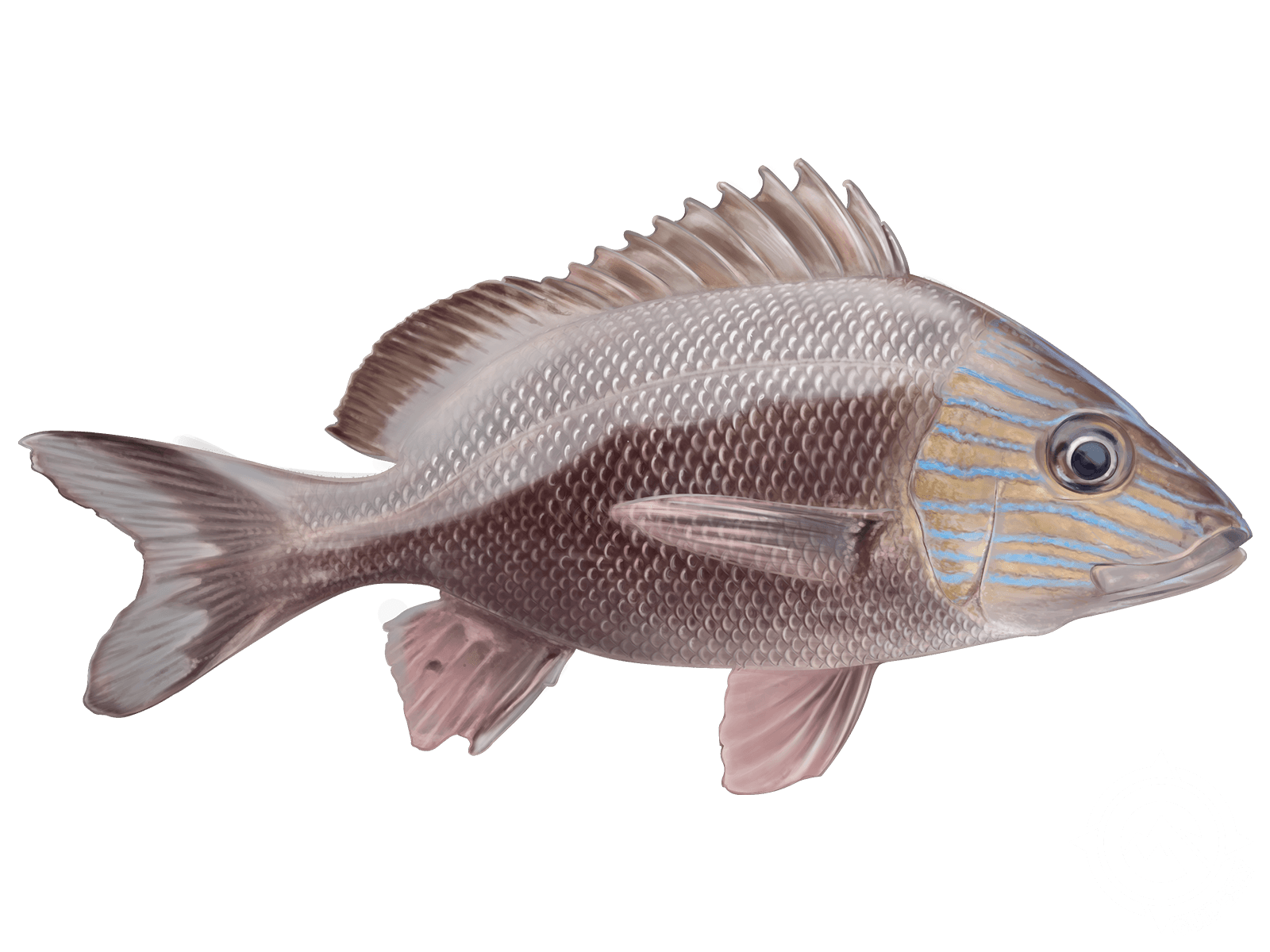
White Grunt Overview
The White Grunt (Haemulon plumierii) is a fascinating member of the Haemulidae family within the order Perciformes, native to the Atlantic Ocean and widely recognized as one of the most engaging game fish for recreational anglers. Known by multiple colorful nicknames—including flannelmouth grunt, redmouth grunt, boar grunt, and Key West grunt—this species is instantly recognizable by its striking silvery-blue to creamy yellow body adorned with vertical blue and yellow stripes, a distinctive red snout, and an elegant almond-shaped silhouette. What makes the White Grunt truly special is the audible "grunting" sound it produces by grinding its pharyngeal teeth, a behavior that has fascinated anglers and coastal residents from the Florida Keys to the Caribbean for generations. The species thrives in diverse marine environments and remains a cornerstone of recreational fishing experiences throughout its native range.
White Grunt Habitat and Distribution
The White Grunt flourishes throughout the Western Atlantic, with its range extending from Chesapeake Bay south through the Gulf of Mexico and Caribbean waters all the way to Brazil. These adaptable fish are commonly found in reefs, docks, and mangrove ecosystems, preferring shallow waters that typically range from the shoreline down to approximately 98 feet in depth, though specimens occasionally venture into deeper hard-bottom habitats reaching 115 feet. Young White Grunts tend to inhabit inshore nursery areas, while mature individuals spend more time in offshore and backcountry environments. The species demonstrates remarkable versatility in habitat selection, capable of thriving in both natural reef structures and artificial environments like pier pilings and rocky outcrops, making them accessible to anglers fishing from shore, boat, or kayak throughout most coastal regions of the southeastern United States.
White Grunt Size and Weight
On average, the White Grunt ranges from 6 to 14 inches in length and typically weighs between 2 to 6 pounds when encountered by recreational anglers. However, larger specimens do exist—historical records document White Grunts reaching up to 20 inches and weighing as much as 15 to 20 pounds, though these trophy-sized fish are considerably less common. The species exhibits a typical lifespan of 9 to 12 years in the wild, allowing ample opportunity for anglers to pursue both juvenile fish in shallow waters and more substantial adults in deeper offshore zones. The gradual growth pattern means that patience and proper technique often yield better-sized specimens for both catch-and-release enthusiasts and those interested in a culinary experience.
White Grunt Diet and Behavior
As nocturnal and opportunistic carnivores, White Grunts display fascinating feeding behavior that makes them highly responsive to angler presentations. Adult fish primarily feast on mollusks, echinoderms, annelids, and benthic crustaceans—especially shrimp—which they hunt along sandy bottoms and around reef structures during low-light hours. Juvenile White Grunts begin their dietary journey consuming copepods and plankton before transitioning to bottom-dwelling prey as they mature. This species is equally notable for its social and aggressive territoriality; White Grunts confront rivals by pushing each other on the lips with mouths agape in dramatic displays of dominance. The famous "grunting" vocalization—produced by grinding pharyngeal teeth and amplified by the air bladder—serves as a distress call and becomes particularly audible when fish are hooked by anglers. White Grunts face predation from sharks, barracuda, lizardfishes, groupers, and snappers, shaping their cautious yet aggressive feeding strategies.
White Grunt Spawning and Seasonal Activity
While specific spawning details for the White Grunt remain somewhat understudied compared to other game fish, the species demonstrates distinct seasonal patterns influenced by water temperature, lunar cycles, and reproductive biology. Peak activity typically occurs during warmer months when inshore and backcountry populations become most concentrated and responsive to angler efforts. Juveniles are more prevalent in shallow, protected nursery habitats during spring and early summer, while adults migrate toward deeper offshore structures as water temperatures fluctuate. Understanding these seasonal movements is crucial for anglers planning trips—targeting shallow mangrove areas during cooler months often yields consistent results, while summer fishing frequently benefits from deeper reef and wreck presentations. The species' year-round availability in most of its range means opportunities exist throughout the calendar, though local conditions and water temperatures should guide tactical decisions.
White Grunt Techniques for Observation and Capture
Hook and Line Method: The most popular and accessible technique for targeting White Grunts involves standard hook-and-line fishing with natural baits. Shrimp—both live and dead—rank as the premier choice, though cut mullet, squid, and small crustaceans also produce excellent results. Cast near structure such as mangroves, dock pilings, rocky outcrops, and reef edges, allowing baits to settle near the bottom where these fish hunt. Early morning and late afternoon periods, particularly around dusk, coincide with peak feeding activity. Light to medium spinning or conventional tackle rated for 10-20 pound test works ideally, allowing for sensitivity while maintaining sufficient backbone for hooksets. Around the Florida Keys and throughout the Caribbean, this approach yields consistent success both from shore-based structures and small boats operating in backcountry flats.
Artificial Lure Presentation: White Grunts readily respond to small artificial lures including jigs (1⁄2 to 1 ounce), small soft plastics (3-4 inches), and compact topwater plugs. Bounce jigs slowly along the bottom near rocky areas and reef edges, maintaining contact with the substrate where these bottom feeders hunt. Soft plastic presentations rigged on light jigheads allow for precise depth control and natural swimming action. The species' opportunistic nature means lures should mimic available prey—shrimp imitations and small fish profiles consistently outperform larger offerings. This method excels during daylight hours when visual presentations trump scent-based triggers.
Commercial Capture Methods: Professional fishermen employ seines, bottom trawls, and fish traps to capture White Grunts at commercial scales, though recreational anglers need not employ such techniques. These methods highlight the species' bottom-dwelling habits and schooling behavior—information valuable for understanding where to concentrate fishing efforts.
Local Tip—South Florida Waters: Anglers fishing the shallow backcountry around Biscayne Bay, the Marquesas Keys, and the shallow reefs off the Florida Keys should focus on dawn and dusk periods, targeting structure in 6-15 feet of water with live shrimp on light spinning tackle. The White Grunt's preference for tight cover means accurate casting to specific targets—mangrove prop roots, dock supports, and small coral heads—yields dramatically better results than blind casting into open water.
White Grunt Culinary and Utilization Notes
The White Grunt has earned considerable respect in culinary circles for its flaky white flesh, mild flavor, and excellent texture when properly prepared. The species' meat remains delicate and sweet, making it ideal for pan-frying, baking, or incorporating into fish stews and ceviche. While the White Grunt possesses limited commercial value in modern seafood markets, it remains a cherished eating fish for recreational anglers and coastal communities. In Florida cuisine, "Grits and Grunts"—a traditional Lowcountry dish combining stone-ground cornmeal (grits) with White Grunt—represents a celebrated culinary tradition. The fish's sustainability profile appears favorable, with the IUCN not currently listing the species as vulnerable or endangered, making it an ethical choice for harvest-oriented anglers. For those practicing catch-and-release, the White Grunt's hardiness and strong constitution ensure excellent survival rates when handled carefully. Beyond culinary use, the species' brilliant coloration and hardy temperament have made it a popular aquarium pet, particularly in saltwater hobby systems where specimens display their distinctive striping and behavioral patterns.
White Grunt Frequently Asked Questions
Q: What is the best bait for catching White Grunts?
A: Live or dead shrimp rank as the premier bait choice, though cut mullet, squid, and small crabs also produce excellent results. The species' preference for bottom-dwelling prey means presenting baits near the seafloor in 6-20 feet of water yields the most consistent success. Cast near structure and allow baits to settle naturally rather than constant movement.
Q: Where can I find White Grunts near the Florida Keys?
A: White Grunts thrive throughout the Keys in shallow backcountry areas, particularly around mangrove edges, dock pilings, and small rocky reefs in 6-15 feet of water. The shallow waters surrounding Biscayne Bay, the Marquesas Keys, and the reef systems off Key West offer excellent opportunities. Early morning and dusk periods coincide with peak activity, though the species remains available year-round.
Q: Is the White Grunt good to eat?
A: Yes, absolutely. The White Grunt features flaky white flesh with a mild, sweet flavor that anglers and chefs consistently praise. Pan-frying with butter and lemon represents a classic preparation, though the meat adapts well to baking, stewing, or ceviche applications. The traditional Lowcountry dish "Grits and Grunts" showcases the species' culinary potential. The species demonstrates a favorable sustainability profile, making it an ethical choice for harvest-oriented anglers.
Q: When is the best time to catch White Grunts?
A: White Grunts are nocturnal feeders, making early morning (pre-dawn through mid-morning) and late afternoon through dusk the prime periods. The species remains available year-round, though warmer months typically concentrate populations in accessible shallow water. Fishing around structure during these low-light windows maximizes your chances of connecting with this opportunistic species.
Q: How do White Grunts make their distinctive grunting sound?
A: The White Grunt produces its characteristic "grunt" by grinding its pharyngeal teeth located in the back of its throat. This grinding motion is amplified by the fish's air bladder, creating an audible vocalization that serves primarily as a distress call. Anglers frequently hear this sound when White Grunts are hooked or handled—a unique and memorable aspect of the angling experience.
Q: What equipment do I need to fish for White Grunts?
A: Light to medium spinning tackle rated for 10-20 pound test line works ideally, allowing sensitivity while maintaining sufficient power for reliable hooksets. Pair your spinning reel with a 6-7 foot rod for optimal accuracy and control in backcountry and inshore environments. Small hooks (sizes 2-4) rigged with shrimp, along with lightweight jigs (1⁄2-1 ounce) or small soft plastics, round out a complete White Grunt setup suited for recreational success.