%2Ffit-in%2F250x250%2Fguide_websites%2F461%2Fimages%2Frich%20adler%20horizontal%20v2.png&w=1920&q=100)
Land Queen Triggerfish Palm Beach Fishing
Queen Triggerfish Fishing in West Palm Beach - What to Expect
5.0

5 Reviews
- 5
 100%
100% - 4
 0%
0% - 30%
- 20%
- 10%
%2F%2Fusers%2F33cfca0a-ab78-43c3-9e45-e9d8978f141f%2Fimages%2Fqueen-triggerfish-west-palm-beach-11912.png&w=1920&q=75)
Fishing Charter by Captain Rich Adler in July

- Palm Beach Sportfishing - Tuna, Wahoo and more!



Summary
Experience a half-day fishing charter in West Palm Beach aboard Tuna Wahoo Charters with Captain Rich. On Saturday, July, you'll target Queen Triggerfish and other species using various techniques while learning what triggers bites in these productive offshore waters. This fishing charter accommodates up to 6 anglers and includes licenses.
Offshore Fishing with Captain Rich Adler - Rates & Booking
Captain Rich Adler of Tuna Wahoo Charters offers a 6-hour variety fishing charter on Saturday, July in West Palm Beach. This offshore and inshore hybrid trip accommodates up to 6 anglers per boat, making it ideal for friends or family groups. Your rate includes fishing licenses for all participants, eliminating one of the typical hassles of saltwater fishing. You'll learn multiple fishing techniques while targeting seasonal species under Captain Rich's expert guidance.
The charter costs $329 per angler with up to 6 guests included in the package. Remember to bring cash to tip the mate upon completion, and budget for optional live bait charges if you prefer that approach. Book your spot online to secure your preferred date.
Highlights of 6 Hour Variety Fishing!
This charter delivers a well-rounded offshore experience targeting whatever is actively feeding that season. Captain Rich and his mate work strategically to locate productive structures and feeding zones, adjusting tactics based on water conditions and species behavior. You'll fish both inshore shallows and offshore deeper waters during the same trip, exposing you to different species and habitats.
The educational component sets this charter apart. Rather than simply dropping lines, you'll understand what makes fish respond to specific lures, baits, and presentations. This hands-on learning approach helps both beginners and experienced anglers improve their fishing fundamentals while enjoying genuine action on the water.
Local Species Insights: Queen Triggerfish
Queen Triggerfish are iconic offshore residents in South Florida waters and represent one of the region's most compelling targets. These fish inhabit reef structures, wrecks, and sandy bottoms where they hunt small crustaceans and invertebrates. Their distinctive appearance features bold coloring with blue-green markings and a characteristic snout, making them instantly recognizable once hooked.
What makes triggerfishes fascinating from a fishing perspective is their aggressive feeding behavior combined with surprising stubbornness. They respond well to live bait presentations and small jigs, but they're also known for striking artificial offerings with confidence. When hooked, Queen Triggerfish pull hard and make aggressive head-shaking runs, providing memorable fights for all skill levels.
Their coastal reef preference means you'll likely encounter them near structure during the charter. Understanding that triggerfish use crevices and rocky outcrops as cover helps Captain Rich predict where they'll hold during different tidal phases. The West Palm Beach offshore environment provides excellent habitat for these fish, particularly during warmer months when they're most active.
Beyond the Queen Triggerfish, you may encounter grouper, snapper, amberjack, and other species depending on the season. Each species responds differently to various techniques, which is why this charter emphasizes learning multiple approaches rather than relying on a single method.
Plan Your Fishing Day
Your half-day charter spans 6 hours, typically departing early morning to maximize productive fishing time. Captain Rich handles all the tactical decisions about location and timing, while you focus on learning and fishing. Bring sunscreen, sunglasses, and comfortable clothing suitable for water exposure. The boat accommodates up to 6 anglers, so plan accordingly if you're bringing a group.
Fishing licenses are included, so you won't need to arrange separate permits. Rod and tackle are provided, though experienced anglers often prefer bringing personal equipment. The mate can advise on setup and technique preferences when you arrive. Live bait, if desired, comes with additional charges handled separately from the charter rate.
Tuna Wahoo Charters operates from Riviera Beach, providing convenient access to both offshore structures and inshore flats. Your experience with Captain Rich includes direct access to his extensive knowledge of these waters, seasonal patterns, and proven techniques for consistent success.
Fishing in West Palm Beach: Queen Triggerfish
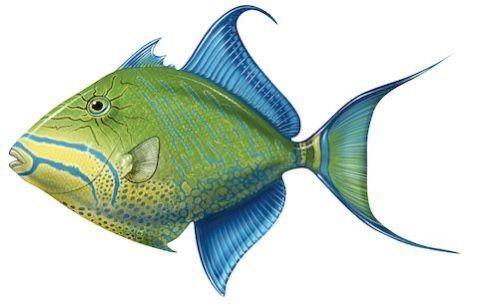
Queen Triggerfish Overview
The Queen Triggerfish (Balistes Vetula), belonging to the family Balistidae and order Tetraodontiformes, is one of the most visually striking and behaviorally fascinating fish you'll encounter in Atlantic waters. This oval-bodied beauty displays a stunning palette of neon blue curved stripes that branch elegantly from its upper lip toward the pectoral fin, complemented by slate blue fins edged in brilliant neon blue. The fish sports a predominantly dark yellow body with striking bright yellow patches near its eyes and a dirty yellow throat. What makes the Queen Triggerfish truly remarkable is its remarkable ability to change colors—shifting to turquoise, purple, or green depending on its mood or stress levels. Known for its shy demeanor except during mating season, when it becomes notoriously aggressive, this fish has earned respect among anglers and marine enthusiasts from Florida to Brazil and across the Caribbean.
The common name "trigger" fish derives from a fascinating defensive mechanism: when threatened or dragged from the water, the Queen Triggerfish wedges itself into rocky crevices by locking its dorsal fins in place, creating a trigger-like mechanism that's nearly impossible to extract. Beyond its captivating appearance, this species holds cultural and medicinal significance in some communities, with traditional uses for treating earaches, asthma, and stroke recovery.
Queen Triggerfish Habitat and Distribution
The Queen Triggerfish thrives throughout the Western Atlantic, ranging from the cold waters of Canada all the way to the tropical reaches of Brazil. They've also been documented in the Eastern Atlantic around Ascension Island, Cape Verde, the Azores, and south toward Angola. Within North America, they're particularly common in Florida, the Bahamas, and throughout the Caribbean, making these regions prime destinations for anglers and snorkelers seeking encounters with this colorful species.
These fish are bottom-dwellers with a strong preference for complex reef structures, rocky outcrops, and ledges where they can hide and hunt. They frequently inhabit shipwrecks and areas with abundant soft coral, typically staying in schools of 5–10 individuals, though they're generally solitary fish. As mesopelagic fish, they navigate waters ranging from 9.8 to 98.4 feet deep, though they're capable of descending to depths exceeding 900 feet. Experienced anglers have successfully caught specimens at 90–150 feet, indicating their adaptability across multiple depth zones.
Queen Triggerfish Size and Weight
Most Queen Triggerfish specimens measure between 11 to 12 inches in length, representing the size at which they reach sexual maturity. However, these fish can grow considerably larger, with maximum recorded lengths reaching up to 23.6 inches. Weight typically ranges from 6 to 12 pounds, with average specimens hovering around the lower end of this spectrum. The variation in size often depends on habitat quality, food availability, and water conditions, with deeper offshore populations sometimes achieving larger dimensions than their shallow reef-dwelling cousins.
Queen Triggerfish Diet and Behavior
The Queen Triggerfish is a dedicated benthic invertebrate hunter with a particularly voracious appetite for sea urchins—they've earned a reputation for ingeniously flipping urchins to access the tender flesh on the underside where spines are shortest. Beyond urchins, they eagerly consume shrimp, small crabs, bivalves like clams, starfish, and macroalgae, typically feeding most actively during morning hours. Their hunting strategy relies on ambush tactics from reef crevices and rocky hideouts, where they patiently wait for unsuspecting prey to venture within striking distance.
Behaviorally, the Queen Triggerfish presents a paradox: it's remarkably shy and solitary outside breeding season, preferring its own company or small clusters of companions. However, during spawn season, this temperament transforms dramatically. Anglers and divers who've encountered brooding or nesting Queen Triggerfish report receiving surprisingly aggressive, painful bites—these fish become fiercely territorial defenders of eggs and juveniles. Additionally, they produce distinctive throbbing, grunting sounds to communicate warnings to other fish, essentially creating an acoustic alarm system within their reef community.
Queen Triggerfish Spawning and Seasonal Activity
Spawning season represents the most dramatic behavioral shift for this species. Outside of reproduction, Queen Triggerfish are relatively docile, but during mating season they transform into aggressive guardians. Their nesting sites within reef structures become fiercely defended territories, and they're known to launch unprovoked attacks on divers and anglers who venture too close to their spawning grounds. This seasonal aggression is so pronounced that experienced ocean enthusiasts actively avoid disturbing Queen Triggerfish during their reproductive cycle. The exact timing of spawning varies by geographic location and water temperature, but spring through early summer typically marks peak reproductive activity in most Atlantic populations. Their ability to produce vocalizations during this period serves as both an attraction signal to potential mates and a territorial warning to competitors and threats.
Queen Triggerfish Techniques for Observation or Capture
Method 1: Reef and Ledge Fishing with Carolina Rigs
The most reliable approach for catching Queen Triggerfish involves targeting rocky reefs, underwater ledges, and reef systems in waters ranging from 10 to 100 feet deep. Deploy a Carolina Rig—assembled with a sliding sinker, plastic bead, swivel, leader line, and appropriate hook—which excels due to its simplicity and effectiveness. Fresh shrimp or small crabs make exceptional bait choices that trigger predatory responses. Around Florida's Gulf Coast and the Florida Keys, local guides recommend fishing the deeper ledges and wreck systems during slack tide periods when bait movement is most visible to patrolling Queen Triggerfish. Early morning sessions, mirroring their natural feeding patterns, consistently outperform afternoon attempts.
Method 2: Deep-Water Dropper Rigs
For accessing deeper populations beyond 100 feet, dropper rigs prove superior, allowing you to present multiple baited hooks at varying depths simultaneously. This technique is particularly effective around shipwrecks and deep ledge systems where Queen Triggerfish congregate away from shallow-water fishing pressure. The dropper configuration enables you to target the specific depth layers where these fish school, significantly increasing encounter rates. Patience is essential—allow your rig to settle thoroughly before beginning your retrieve, as Queen Triggerfish often investigate baited hooks suspended in the water column rather than those resting on bottom.
Method 3: Visual Observation and Spearfishing
For those seeking non-extractive encounters or photography opportunities, snorkeling and freediving over well-lit reef structures during peak visibility hours (typically 10 a.m. to 2 p.m.) offer excellent chances to observe these brilliant fish in their natural state. Their distinctive coloring and patterns make them relatively easy to spot once you know what to look for. However, approach carefully and respect their space, particularly during breeding season, to avoid defensive responses.
Queen Triggerfish Culinary and Utilization Notes
The Queen Triggerfish presents good odds as a food fish, with white, flaky meat that possesses a mild, slightly sweet flavor. Historically and within certain Caribbean and African communities, this species has held significant culinary and medicinal value. Beyond consumption, parts of the fish have been employed in traditional medicine for generations, with documented uses including treatments for earaches, asthma symptoms, and post-stroke recovery. Modern dietary assessments rate the meat as nutritionally sound, though like many reef fish, there's potential for ciguatera toxin accumulation in larger, older specimens caught from certain geographic regions—always verify local fish advisories before consumption. The flesh quality is highest in younger, smaller specimens, and the culinary appeal has made them a sought-after catch for both sport and subsistence fishing throughout their range.
Queen Triggerfish Frequently Asked Questions
Q: What is the best bait for catching Queen Triggerfish?
A: Fresh shrimp and small crabs are your most reliable choices, as these align perfectly with the Queen Triggerfish's natural diet. Live or freshly thawed specimens outperform frozen options, and keeping bait moving slightly within the water column often triggers more strikes than stationary presentations.
Q: Where can I find Queen Triggerfish near Florida?
A: The Florida Keys, Gulf Coast ledge systems, and deep reef structures throughout the Caribbean extend of Florida's range offer excellent opportunities. Target depths of 40–150 feet around established ledges, wrecks, and living reef systems. Local charter captains in Key West, Marathon, and the western Keys have intimate knowledge of productive grounds.
Q: Is Queen Triggerfish good to eat?
A: Yes, Queen Triggerfish offers white, mild-flavored meat rated as "good odds" for culinary purposes. Smaller specimens typically provide superior eating quality compared to larger fish. Always check regional fish consumption advisories regarding ciguatera risk, particularly for larger individuals or those from heavily-fished reef systems.
Q: When is the best time to catch Queen Triggerfish?
A: Early morning hours (sunrise through mid-morning) align with their peak natural feeding activity. However, avoid disturbing them during spawn season (typically spring through early summer) when they become extremely aggressive and territorial. Outside breeding season, any daylight hours during slack or slow tide periods can be productive.
Q: Why is it called a "trigger" fish?
A: The name derives from their remarkable defensive behavior—when threatened or removed from water, they lock their dorsal fins in place using a trigger-like mechanism, wedging themselves into crevices so firmly that extraction becomes nearly impossible. This evolutionary adaptation has protected countless Queen Triggerfish from predation and capture.
Q: Are Queen Triggerfish safe to handle?
A: Handle with extreme caution, especially during spawning season. Outside breeding periods they're relatively docile, but all Queen Triggerfish possess powerful jaws and sharp teeth capable of delivering painful bites. Always use appropriate fish-handling gloves and maintain distance from nesting individuals during their reproductive cycle.
More species you can explore on this trip

Other customer memories from this trip
Captain Rich's fishing vessel provides a comfortable platform for full-day offshore work with room for up to 6 anglers to fish simultaneously without feeling cramped. The layout includes forward casting areas near the bow where you can sight-fish or work structure, and stern positioning for drift fishing or bottom work. Rod holders line the gunwales for efficient tackle organization, and a center console design keeps the wheelhouse compact while maintaining 360-degree visibility of the water. The boat features shade coverage over the stern to provide relief from sun exposure during slow periods, and the deck layout includes non-slip surfaces for safety in wet conditions. Bait wells keep live offerings fresh, and storage compartments hold tackle, safety equipment, and fishing supplies. The ride quality handles typical Palm Beach offshore conditions well, whether you're running through inlet waters or sitting on distant reefs. You'll notice the boat is set up for working hard rather than luxury cruising, with emphasis on functional deck space and easy access to fishing zones rather than cabin amenities.