%2Ffit-in%2F250x250%2Fguide_websites%2F461%2Fimages%2Frich%20adler%20horizontal%20v2.png&w=1920&q=100)
Mexican Mojarra Caught in West Palm Beach
Mexican Mojarra Fishing in West Palm Beach - What to Expect
%2F%2Fusers%2F33cfca0a-ab78-43c3-9e45-e9d8978f141f%2Fimages%2Fmexican-mojarra-west-palm-beach-3128.jpg&w=1920&q=75)
Fishing Charter by Captain Rich Adler in December

Meet your Captain Rich Adler
- Palm Beach Sportfishing - Tuna, Wahoo and more!




Summary
Join Captain Rich Adler of Tuna Wahoo Charters on a Sunday in January for an unforgettable fishing charter in West Palm Beach. This fishing charter targets species like the Mexican Mojarra, offering anglers authentic saltwater adventure in Florida's premier coastal waters with proven local expertise.
Fishing Charter with Captain Rich Adler - Rates & Booking
Captain Rich Adler of Tuna Wahoo Charters on Sunday, January 19th offers an exceptional fishing charter experience targeting West Palm Beach's abundant species. This is your chance to connect with a seasoned captain who knows these waters intimately. To book your fishing charter and secure your spot on the water, contact Tuna Wahoo Charters directly for current rates and availability. Captain Adler brings years of local expertise and a commitment to delivering a memorable day on the water.
Highlights of Your West Palm Beach Fishing Adventure
West Palm Beach delivers world-class fishing opportunities year-round, with productive waters that teem with diverse species. The Mexican Mojarra represents one of the region's most exciting catches - a hard-fighting fish that tests your skills and keeps the action constant. This charter puts you in prime fishing territory where success depends on local knowledge and proven techniques that Captain Adler has perfected over countless trips.
The experience combines the thrill of active fishing with the natural beauty of South Florida's coastal environment. You'll spend your day on productive grounds where the conditions align perfectly with seasonal patterns, working the waters where Mexican Mojarra congregate. Every cast brings the possibility of connection, and every strike delivers the raw excitement that makes saltwater fishing unforgettable.
Local Species Insights: Mexican Mojarra
The Mexican Mojarra inhabits the shallow and moderate-depth coastal waters surrounding West Palm Beach, thriving in the region's brackish and saltwater environments. These fish are known for their aggressive feeding behavior and impressive fighting spirit when hooked. Mojarras are hardy, adaptable species that school together, creating opportunities for consistent action throughout your day on the water.
What makes targeting Mexican Mojarra particularly rewarding is their willingness to strike and their unpredictable fight. They're responsive to various techniques and presentation styles, making them ideal for both experienced anglers and those relatively new to saltwater fishing. The West Palm Beach waters provide ideal habitat - the depth, structure, and food sources all combine to support robust populations. Captain Adler positions the boat precisely where these fish feed actively, maximizing your chances for multiple hookups and memorable encounters.
The environment around West Palm Beach shapes the entire fishing experience. The coastal waters feature natural and artificial structure, varied bottom composition, and seasonal current patterns that concentrate fish in specific zones. The clear, warm waters of South Florida create ideal visibility and conditions throughout the year. You'll be fishing in the same productive grounds that have attracted anglers for generations, where local expertise transforms knowledge into consistent results.
The thrill of battling a hard-running Mojarra against the backdrop of West Palm Beach's coastal scenery creates a day unlike any other. These fish demonstrate incredible strength and determination, pulling hard against your line and testing your technique. Captain Adler's expertise in locating schools and presenting lures effectively means you'll spend more time fighting fish and less time waiting. The combination of abundant species, beautiful surroundings, and seasoned local guidance makes this fishing charter an experience worth planning for.
Fishing in West Palm Beach: Mexican Mojarra
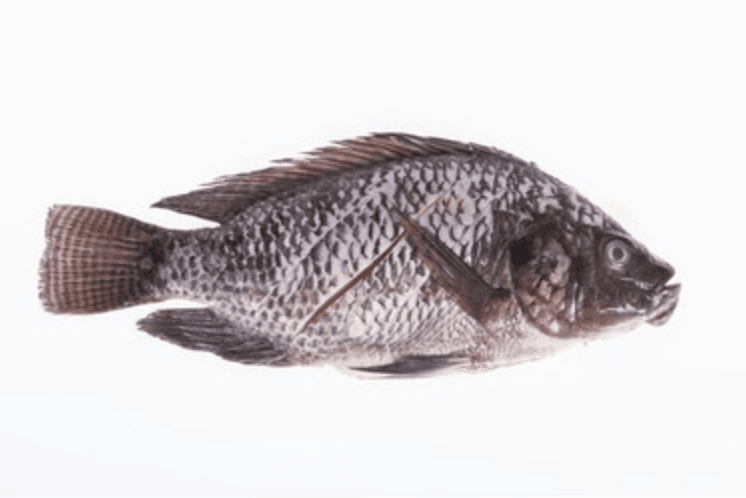
Mexican Mojarra Overview
The Mexican Mojarra (Mayaheros urophthalmus) is a vibrant, oval-shaped cichlid belonging to the family Cichlidae within the order Perciformes. Originally native to Central America, this brackish-water fighter has become a beloved gamefish in Florida, particularly around the Florida Keys, where anglers pursue them for their aggressive bites and spirited fights. These hardy little dynamos are instantly recognizable by their olive-brown to beige bodies adorned with 6 to 8 striking blue-green stripes and a characteristic black spot at the center. What makes the Mexican Mojarra truly special is its remarkable ability to thrive in challenging environments—high-salinity waters, low-oxygen conditions, and even polluted systems—that would challenge many other species.
These introduced fish have become an integral part of Florida's inshore fishing culture, though they're technically classified as an invasive species. Don't let that label fool you; for recreational and food anglers alike, the Mexican Mojarra represents an accessible, exciting, and rewarding fishing experience that delivers consistent action and excellent table fare.
Mexican Mojarra Habitat and Distribution
The Mexican Mojarra thrives in warm tropical waters, with an ideal temperature range between 68°F and 93.2°F. While they're non-migratory in their native Central American range, introduced populations in Florida have established robust communities throughout the state's inshore ecosystems. You'll find them congregating in mangrove swamps, sandy flats, coral reef systems, ponds, rivers, lakes, canals, and estuaries—essentially any shallow inshore environment with adequate vegetation or structure.
These are surface-oriented fish, typically swimming in waters just 0 to 6 feet deep, making them accessible to wade fishers and shallow-draft boat anglers alike. The prime fishing territories in Florida span from southeast to southwest, with particularly productive hotspots in the Florida Keys, Tampa Bay, Lake Okeechobee, and Melbourne. One legendary spawning site is located in Snook Creek, Florida, where dedicated anglers time their trips to encounter breeding aggregations. Their preference for inshore shallow environments and aggressive feeding behavior make them ideal candidates for sight fishing and active presentation techniques.
Mexican Mojarra Size and Weight
While the Mexican Mojarra is classified as a small to medium-sized fish, don't underestimate what they lack in bulk they make up for in attitude. Adults typically range from 3 to 8 inches in length and usually weigh less than a pound, making them accessible targets even for younger or novice anglers. However, impressive specimens do exist; the largest recorded Mexican Mojarra reached an impressive 15 inches in length and weighed 2.5 pounds—a genuine trophy by any standard for this species.
The compact profile of the average fish makes them perfect for intensive fishing pressure and catch-and-release scenarios. Their manageable size also means you can enjoy fast action and rapid-fire strikes without requiring heavy equipment, making them ideal for teaching newcomers the fundamentals of inshore gamefish behavior.
Mexican Mojarra Diet and Behavior
The Mexican Mojarra is an omnivorous opportunist, which explains both its hardiness in variable environments and its aggressive response to artificial presentations. In their natural diet, they hunt snails, aquatic insects, small crustaceans, and juvenile fish with equal enthusiasm. On the plant side of their diet, they readily consume algae and various submerged vegetation, making them ecological generalists capable of thriving where more specialized species might struggle.
Behaviorally, these cichlids are bold, curious, and decidedly not shy about their intentions. They're known throughout the angling community for their willingness to strike presentations aggressively and their determination during the fight—they don't surrender easily despite their diminutive stature. This combination of confidence and combativeness is precisely why they've become such popular gamefish in Florida. Additionally, in the wild, their coloration is far more vibrant than in captive-bred specimens; those striking blue-green stripes and red pigments are most intense in natural populations that have access to diets rich in vitamin A and carotenoid-rich foods.
Mexican Mojarra Spawning and Seasonal Activity
The Mexican Mojarra follows a predictable seasonal breeding pattern that savvy anglers can leverage for better success rates. Their spawning season runs from spring through early summer, with the most intense activity coinciding with warming water temperatures and increasing day length. This reproductive drive makes fish highly aggressive and less cautious during these months—a condition that typically translates to better fishing conditions.
Conversely, the best months for fishing the Mexican Mojarra are April through June, specifically before their spawning season reaches its peak. During this window, fish are feeding heavily to build energy reserves before breeding, making them more responsive to both bait and artificial flies. When spawning begins in earnest, they shift focus to territorial defense and nest protection rather than feeding, which can slightly reduce bite rates. Both male and female Mexican Mojarra demonstrate fierce parental care, establishing and defending nesting territories in sandy areas near coral reefs—a behavior that can actually create localized feeding opportunities if you're targeting post-spawn fish during their recovery period.
Mexican Mojarra Techniques for Observation and Capture
Fly Fishing Presentations: The Mexican Mojarra is a premier fly-fishing target, particularly for shallow-water enthusiasts. Because these fish are surface dwellers, fly presentation is exceptionally effective. Most experienced anglers employ 5-weight to 6-weight rods (though some successfully use 3-weight rods for lighter presentations) paired with 5 to 7-foot leaders and 10 to 15-pound fluorocarbon. Use flies tied on hooks sized 1 through 4. Proven patterns include sponge spiders, cork poppers, and small minnow imitations. The key is to blind-cast into shallow flats and mangrove edges; these fish won't hesitate to take a well-presented offering. Around the Florida Keys, poling shallow grass flats during low light hours (dawn or dusk) while casting to surface disturbances delivers consistent results.
Conventional Bait Fishing: If fly gear isn't your preference, traditional bait techniques work equally well. Fresh shrimp is the gold standard, but small minnows, worms, and even white bread produce excellent results. The reactive nature of the Mexican Mojarra means that accuracy matters less than placement; cast near structure, mangrove roots, or visible baitfish schools and maintain contact with your presentation. Light spinning or conventional tackle is sufficient—these fish don't require heavy gear. In shallow estuaries near Tampa Bay, wading with a casting net to deploy live bait in pockets near mangroves generates fast action.
Sight Casting and Stalking: Given their shallow habitat preference, sight fishing is particularly rewarding. Wade slowly in water depths of 2-4 feet, scanning for cruising fish or telltale disturbances. When you spot a target, blind casts may actually scare fish more readily than sightings do, so lead your cast ahead of traveling individuals. Early morning light provides excellent visibility for spotting; around Lake Okeechobee, guided sight-fishing excursions often begin two hours before sunrise to maximize light penetration and fish activity.
Mexican Mojarra Culinary and Utilization Notes
The Mexican Mojarra holds genuine culinary appeal and is actively farmed in aquaculture operations specifically for food production. Their flesh is mild, flaky, and takes well to a variety of preparation methods—pan-frying with citrus, grilling whole over charcoal, or incorporating into ceviches are all excellent approaches. Nutritionally, they provide good protein content with moderate levels of omega-3 fatty acids. In their native Central American range and in Florida fishing communities, they're valued food fish that have sustained generations of meals and celebrations.
From an ecological perspective, their invasive status in Florida actually creates a conservation argument for keeping catch limits generous and consumption encouraged; removing Mexican Mojarra through fishing pressure helps protect native species and ecosystem balance. A day of successful fishing can yield a realistic dinner haul that justifies the effort and provides tangible reward beyond simple sport.
Mexican Mojarra Frequently Asked Questions
Q: What is the best bait or technique for catching Mexican Mojarra?
A: Fresh shrimp is the most reliable bait choice, though small minnows and worms also produce consistent results. Fly fishing with cork poppers and sponge spiders is equally effective, particularly in shallow water. These fish respond well to both blind casting and sight casting presentations, though they tend to react more aggressively to bait or topwater offerings than to subsurface presentations.
Q: Where can I find Mexican Mojarra fishing opportunities near the Florida Keys?
A: The Florida Keys offer excellent opportunities throughout shallow inshore waters, mangrove-lined flats, and coral reef edges. The Keys fishing guides frequently target them in depths of 2-6 feet during morning tides. Additionally, Snook Creek is known as a specific spawning aggregation site during spring and early summer months.
Q: Is the Mexican Mojarra good to eat?
A: Yes, absolutely. The Mexican Mojarra is actively farmed for food in aquaculture and represents good eating with mild, flaky white meat. They're cleaned and prepared similarly to other small panfish—whole or filleted, pan-fried, grilled, or incorporated into various dishes. Many Florida anglers specifically target them for table fare as much as for sport.
Q: When is the best time of year to fish for Mexican Mojarra?
A: April through June offers the prime window, as fish are feeding heavily before their spawning season intensifies. Water temperatures between 72°F and 85°F seem to generate the most aggressive bite. Early morning and late afternoon hours typically produce more consistent results than midday, though these hardy fish will bite throughout daylight if conditions are favorable.
Q: Why is the Mexican Mojarra considered invasive in Florida?
A: The Mexican Mojarra is native to Central America and was introduced to Florida waters through aquaculture escapes and unauthorized releases. While they've become established and are now considered invasive, their presence is not necessarily catastrophic; in fact, fishing for and consuming them is encouraged as a means of population control and ecosystem management.
Q: What equipment do I need to start fly fishing for Mexican Mojarra?
A: A 5-weight to 6-weight fly rod in the 5-7 foot range paired with a 10-15 pound fluorocarbon leader and floating line is ideal. Tie on hooks in sizes 1 through 4, and carry a selection of cork poppers, sponge spiders, and minnow imitations. This modest setup opens up an entire shallow-water fishing world without requiring specialized or expensive gear.