%2Ffit-in%2F250x250%2Fguide_websites%2F461%2Fimages%2Frich%20adler%20horizontal%20v2.png&w=1920&q=100)
Little Tunny Fishing Adventure West Palm Beach
Little Tunny Offshore Fishing in West Palm Beach
5.0

10 Reviews
- 5
 100%
100% - 4
 0%
0% - 30%
- 20%
- 10%
%2F%2Fusers%2F4fc0aacd-b58e-4962-9b9d-56eb8294b15b%2Fimages%2Ffishing-boat-catch-west-palm-12649.png&w=1920&q=75)
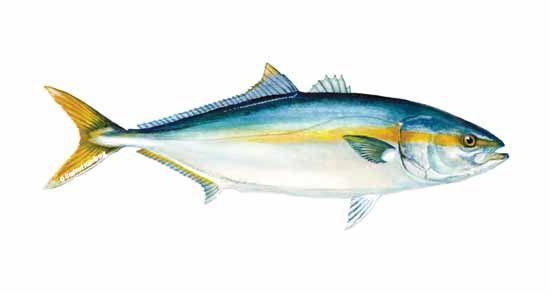
The Little Tunny belongs to the order Perciformes and family Scombridae. It typically measures between 24 and 48 inches in length, with a weight range from 5 to 15 lbs. Habitat: onshore, nearshore, offshore. - Little Tunny is a variant of tuna, also known as Bonita, False Albacore, or Little Tuna. - They are considered one of the smaller variants of tuna species. - Defense mechanisms include schooling behavior and seasonal migration patterns. - As migratory fish, they usually head south during Winter or Fall months.
Fishing Charter by Captain Rich Adler in April

Meet your Captain Rich Adler
- Palm Beach Sportfishing - Tuna, Wahoo and more!



Summary
Captain Neil Linkmeyer of Palm Beach Charters on Sunday April offers a 4-hour offshore fishing charter targeting Atlantic Sailfish and local reef species in West Palm Beach waters. This offshore fishing experience combines blue water trolling for pelagic species with reef fishing for snapper and grouper, providing anglers access to productive fishing grounds just offshore. The charter accommodates up to 3 guests with all bait, tackle, and fishing licenses included. West Palm Beach offshore waters offer excellent year-round fishing opportunities, with spring mornings providing ideal conditions before afternoon storms develop. The trip utilizes proven techniques including trolling, bottom fishing, and drift fishing to maximize success on the diverse reef structure and blue water fishing lanes that run close to shore.
Fishing Charter with Captain Neil – Rates & Booking
Captain Neil Linkmeyer of Palm Beach Charters on Sunday April runs this 4-hour offshore fishing charter for up to 3 guests, targeting Atlantic Sailfish and local reef species in West Palm Beach waters. All bait, tackle, and fishing licenses are included in the trip cost, with deposits being non-refundable. The charter provides a personalized experience suitable for both beginners and experienced anglers, utilizing local knowledge and seasonal opportunities to maximize your time on the water. Book online to secure your preferred date and experience the best of West Palm Beach offshore fishing.
Highlights of Offshore Fishing Charter West Palm Beach – Sailfish, Tuna & Snapper
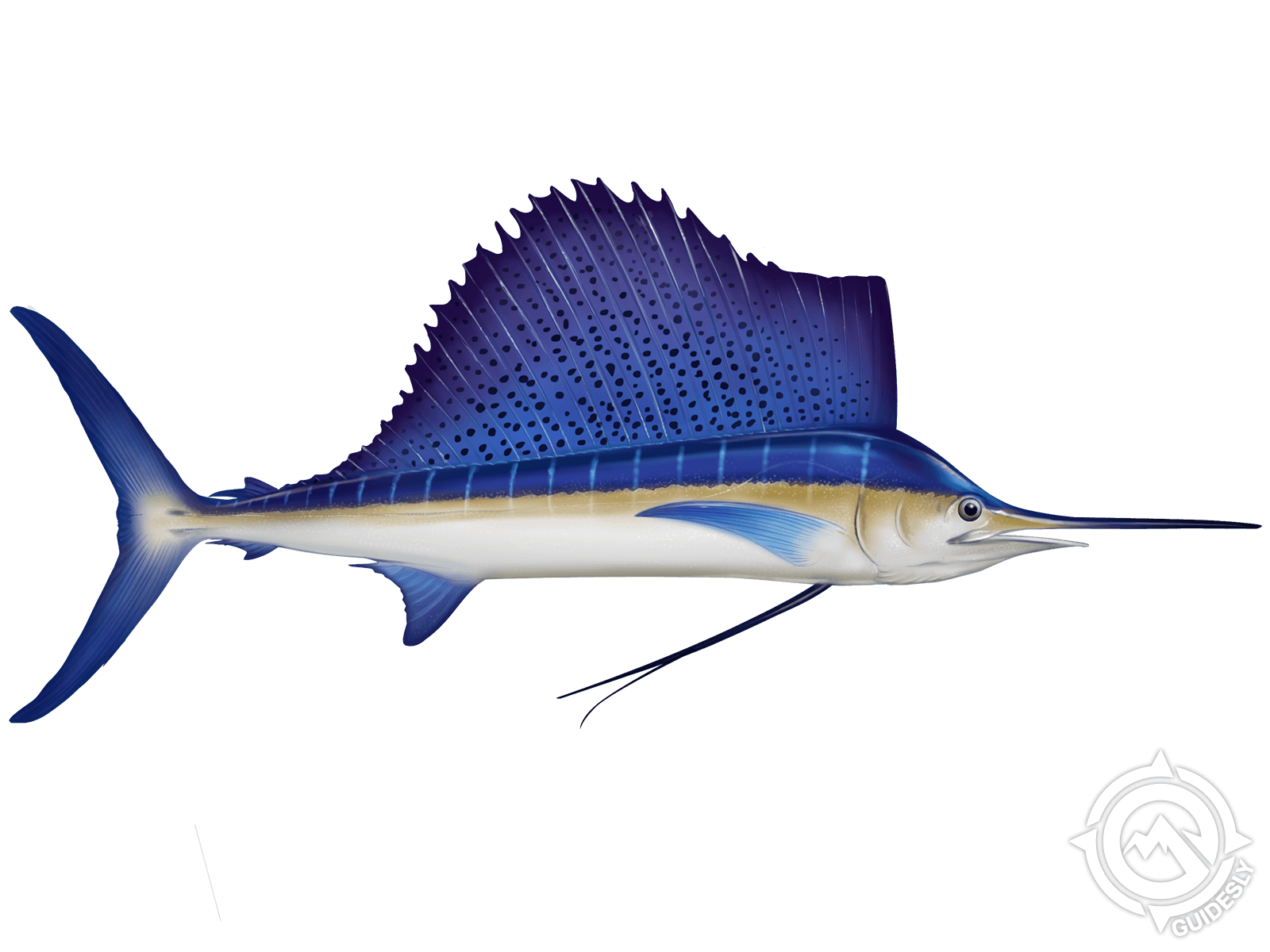
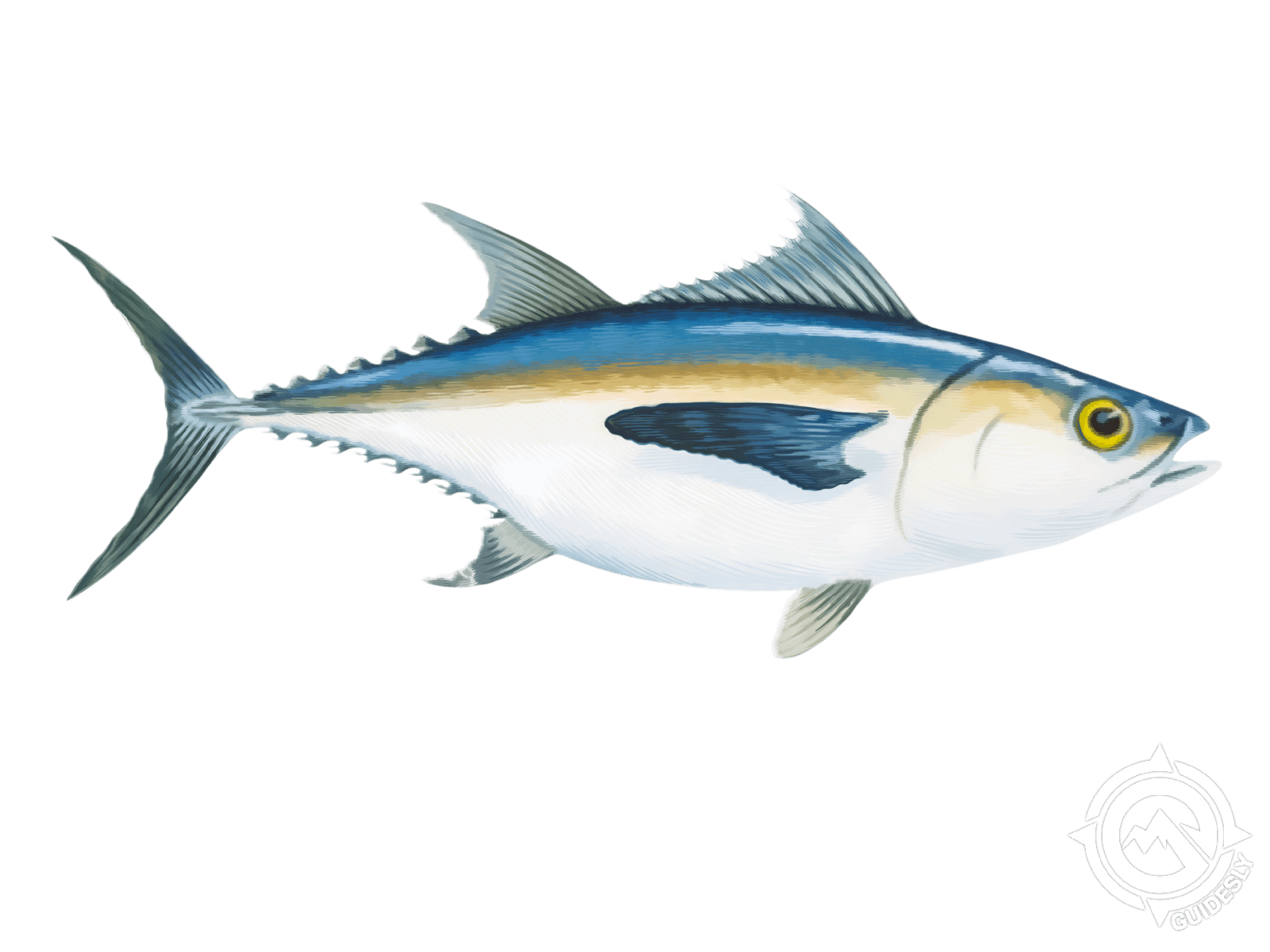
This offshore fishing charter delivers access to West Palm Beach's productive fishing grounds where reef structure meets blue water trolling lanes. The trip targets Atlantic Sailfish, Blackfin Tuna, Mutton Snapper, Yellowtail Snapper, Grouper, Triggerfish, and Kingfish depending on seasonal conditions. With flexible targeting options and expert guidance, anglers experience both reef fishing and blue water trolling techniques in a single trip.
The charter's 4-hour duration provides ample time to work different fishing methods while staying close to shore, making it ideal for those seeking variety without extended travel time. Spring mornings offer particularly favorable conditions with clearing skies before afternoon weather patterns develop.
Local Species Insights: Little Tunny
Little Tunny frequent West Palm Beach offshore waters year-round, often encountered while trolling for larger pelagic species or working reef edges. These fast-swimming members of the tuna family provide excellent action on light tackle, known for their aggressive strikes and spirited fights. In April, Little Tunny can be found in schools around reef structure and temperature breaks, making them a common catch during mixed-species offshore trips. Their migratory nature means they're often moving through the area, creating opportunities for multiple hookups when schools are located.
Plan Your Fishing Charter Day
The charter departs from West Palm Beach with all necessary fishing equipment, bait, and licenses provided. Captain Neil utilizes proven techniques including trolling, bottom fishing, and drift fishing to target the diverse species available in local waters. The boat accommodates up to 3 guests comfortably, ensuring personalized attention and instruction throughout the trip. Morning departures take advantage of optimal fishing conditions before afternoon weather patterns typically develop in South Florida waters.
Fishing in West Palm Beach: Little Tunny
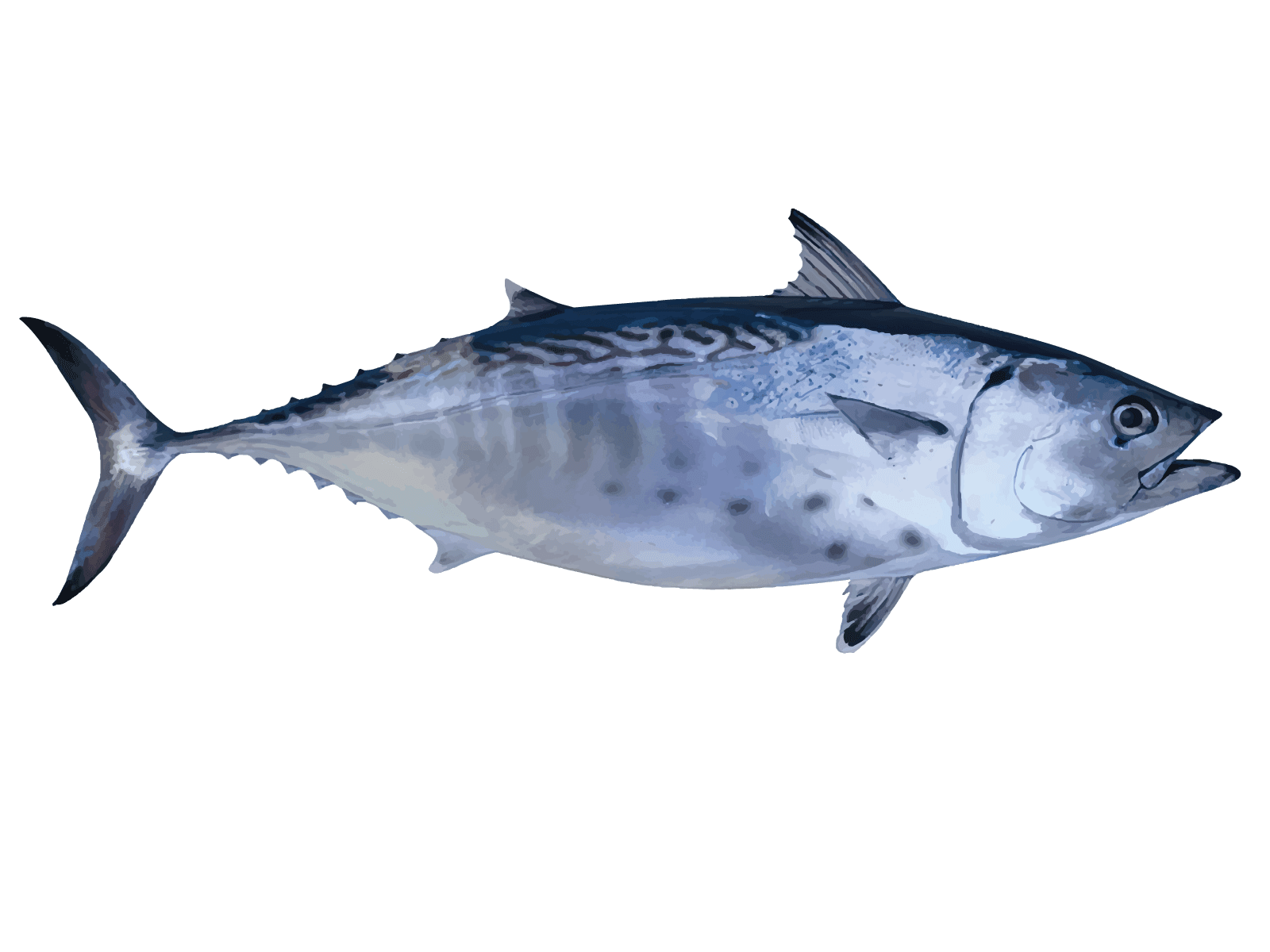
Little Tunny (Euthynnus alletteratus), also known as False Albacore or Bonita, is a fast-swimming member of the Scombridae family that provides exciting action for West Palm Beach anglers. These smaller tuna relatives typically range from 24 to 48 inches and weigh between 5 to 15 pounds, making them perfect targets for light tackle fishing. In April waters around West Palm Beach, Little Tunny are commonly encountered during offshore fishing trips targeting multiple species.
Little Tunny Overview
Little Tunny are highly migratory pelagic fish that travel in schools as a primary defense mechanism. They're distinguished from other tuna species by their smaller size and distinctive markings, including wavy lines on their backs and spotted bellies. Anglers value them for their aggressive strikes, powerful runs, and excellent table fare when prepared properly.
Little Tunny Habitat and Distribution
These fish inhabit onshore, nearshore, and offshore waters throughout the Atlantic, making West Palm Beach's diverse fishing grounds ideal for targeting them. They prefer areas with temperature breaks, current edges, and structure where baitfish concentrate. Little Tunny move seasonally, typically heading south during fall and winter months, making spring an excellent time to encounter them in Florida waters.
Little Tunny Size and Weight
Most Little Tunny caught in West Palm Beach waters range from 24 to 48 inches in length and weigh between 5 to 15 pounds. Larger specimens can exceed these averages, particularly during peak migration periods when mature fish move through the area in significant numbers.
Little Tunny Diet and Behavior
Little Tunny feed primarily on small fish, squid, and crustaceans, often forming feeding frenzies when baitfish schools are abundant. They're most active during dawn and dusk periods but can be caught throughout the day when conditions are favorable. Their schooling behavior means that finding one often leads to multiple hookups.
Little Tunny Spawning Season
Spawning occurs in warmer waters during spring and summer months, with fish becoming more aggressive and concentrated during this period. Water temperatures between 70-80°F trigger increased feeding activity, making spring fishing particularly productive for targeting these species.
Little Tunny Fishing Techniques
Trolling with small lures, spoons, or rigged ballyhoo proves most effective for Little Tunny. They respond well to fast-moving presentations that mimic fleeing baitfish. Light tackle spinning gear with live bait or small jigs works excellent when schools are located. In April around West Palm Beach, anglers often find them while trolling reef edges and temperature breaks in 60-200 feet of water.
Little Tunny Is It Good to Eat?
Little Tunny provides excellent table fare when handled properly and prepared fresh. The meat is firm and flavorful, similar to other tuna species but milder in taste. They're high in protein and omega-3 fatty acids, making them a healthy choice. Best prepared as sashimi, grilled steaks, or blackened fillets to preserve their natural flavor and texture.
Little Tunny Frequently Asked Questions
Q: What is the best bait for Little Tunny?
A: Small trolling lures, spoons, rigged ballyhoo, and live sardines or pilchards work best. Fast-moving presentations that mimic fleeing baitfish are most effective.
Q: Where can I find Little Tunny near West Palm Beach?
A: Look for them around reef edges, temperature breaks, and current lines in 60-200 feet of water. They're often found while trolling for other pelagic species.
Q: Is Little Tunny good to eat?
A: Yes, Little Tunny provides excellent table fare with firm, flavorful meat that's high in protein and omega-3s. Best prepared fresh as sashimi, grilled, or blackened.
Q: When is the best time to catch Little Tunny?
A: Spring months like April offer excellent opportunities as fish migrate through the area. Dawn and dusk periods typically produce the most action, though they can be caught throughout the day.
More species you can explore on this trip

Other customer memories from this trip
Get ready for an action-packed offshore fishing adventure in West Palm Beach! This 4-hour charter takes you where the big fish bite, targeting species like Atlantic Sailfish, Blackfin Tuna, Mutton Snapper, and more. With room for just three guests, you'll enjoy personalized attention and hands-on fishing time. Whether you're new to angling or a seasoned pro, the expert crew will help you make the most of your trip. No need to worry about gear or licenses - it's all included. The captain knows these waters like the back of their hand, so you'll be hitting the best spots based on current conditions and seasonal patterns. From deep water to productive reefs, this focused charter aims to put you on fish and create lasting memories. Just remember, deposits are non-refundable, so come prepared to reel in some fun!