%2Ffit-in%2F250x250%2Fguide_websites%2F461%2Fimages%2Frich%20adler%20horizontal%20v2.png&w=1920&q=100)
Caught a Little Tunny Fishing in West Palm
Little Tunny Fishing in West Palm Beach
%2F%2Fusers%2F33cfca0a-ab78-43c3-9e45-e9d8978f141f%2Fimages%2Flittle-tunny-west-palm-beach-9850.png&w=1920&q=75)
The Little Tunny (Euthynnus alletteratus) is a smaller member of the tuna family that packs a serious punch for its size. Commonly found in West Palm Beach waters during summer months, these fish typically travel in schools and are known for their blistering runs when hooked. - Ranges from 24-48 inches in length and weighs between 5-15 pounds. - Distinguished by wavy, dark markings on their backs and several dark spots between their pectoral and ventral fins. - Prized by anglers for their fighting ability rather than table fare.
Fishing Charter by Captain Rich Adler in August

Meet your Captain Rich Adler
- Palm Beach Sportfishing - Tuna, Wahoo and more!




Summary
Monday July brought perfect conditions for our 3/4 Day Fishing Charter in West Palm Beach. Captain Rich Adler of Tuna Wahoo Charters took Koleton and his school buddies out for some summer offshore action. The partly cloudy skies made for ideal fishing weather as we targeted the hot summer bite. Starting with trolling techniques, we connected with some Little Tunny that put up impressive fights. Later, we switched to bottom fishing and landed Gray Triggerfish, wrasses, Squirrelfish, grunts, and Sand Tilefish. The highlight came when Koleton battled a large amberjack—bringing it boatside just before a bull shark claimed its share! This West Palm Beach fishing charter showcased why summer is prime time for offshore fishing in Florida's coastal waters.
Fishing Charter with Rich Adler – Rates & Booking
Captain Rich Adler of Tuna Wahoo Charters runs 3/4 Day Trips out of West Palm Beach, perfect for anglers looking to experience the variety of fishing our waters offer. These trips are ideal for both experienced fishermen and beginners, with all tackle and equipment provided. We typically depart early morning to take advantage of the best fishing conditions. For current rates and to check availability for your preferred dates, contact Tuna Wahoo Charters directly. Summer bookings fill quickly, especially for our popular 3/4 Day offshore trips targeting Little Tunny and bottom fish.
Highlights of West Palm Beach Summer Fishing
Summer fishing in West Palm Beach offers excellent opportunities for both trolling and bottom fishing. During our trip with Koleton and his friends, we experienced the diversity of species available in our waters. The Little Tunny were active near the surface, providing exciting strikes on trolled baits. When we shifted to bottom fishing, we found good numbers of Gray Triggerfish, various wrasses, and colorful Squirrelfish.
The most memorable moment came when Koleton hooked into a substantial amberjack. The fight was intense as he worked the powerful fish to the boat, only to have a bull shark snatch a piece at the last moment—a true demonstration of the marine food chain in action and a story these young anglers won't soon forget.
Local Species Insights: Little Tunny
Little Tunny, also known as False Albacore or Bonita, are among the most common tuna species in Florida's coastal waters. These fish typically school up in the summer months and can be found from nearshore to offshore environments around West Palm Beach. They're voracious feeders that respond well to trolled lures and spoons that mimic their preferred baitfish.
While not considered premier table fare compared to their larger tuna cousins, Little Tunny make up for it with their fighting ability. Pound for pound, they're among the strongest fish in our waters, making screaming runs that will test your drag system and stamina. When targeting Little Tunny in West Palm Beach during summer, look for birds working over baitfish schools—a telltale sign these speedsters are feeding below.
Plan Your Fishing Charter Day
For your day with Tuna Wahoo Charters, plan to arrive early at our Riviera Beach marina location. Wear comfortable clothing, non-marking shoes, and bring sun protection including hats, sunglasses, and sunscreen. We provide all fishing gear, licenses, and tackle, though you're welcome to bring your favorite rod if preferred. Our vessel is equipped with shade, seating, and storage for personal items. We recommend bringing a small cooler with drinks and snacks, though water is provided onboard. For those interested in keeping their catch, we offer cleaning services and can recommend local restaurants that will prepare your fish. Most importantly, come ready for action—summer fishing in West Palm Beach rarely disappoints!
Fishing in West Palm Beach: Little Tunny
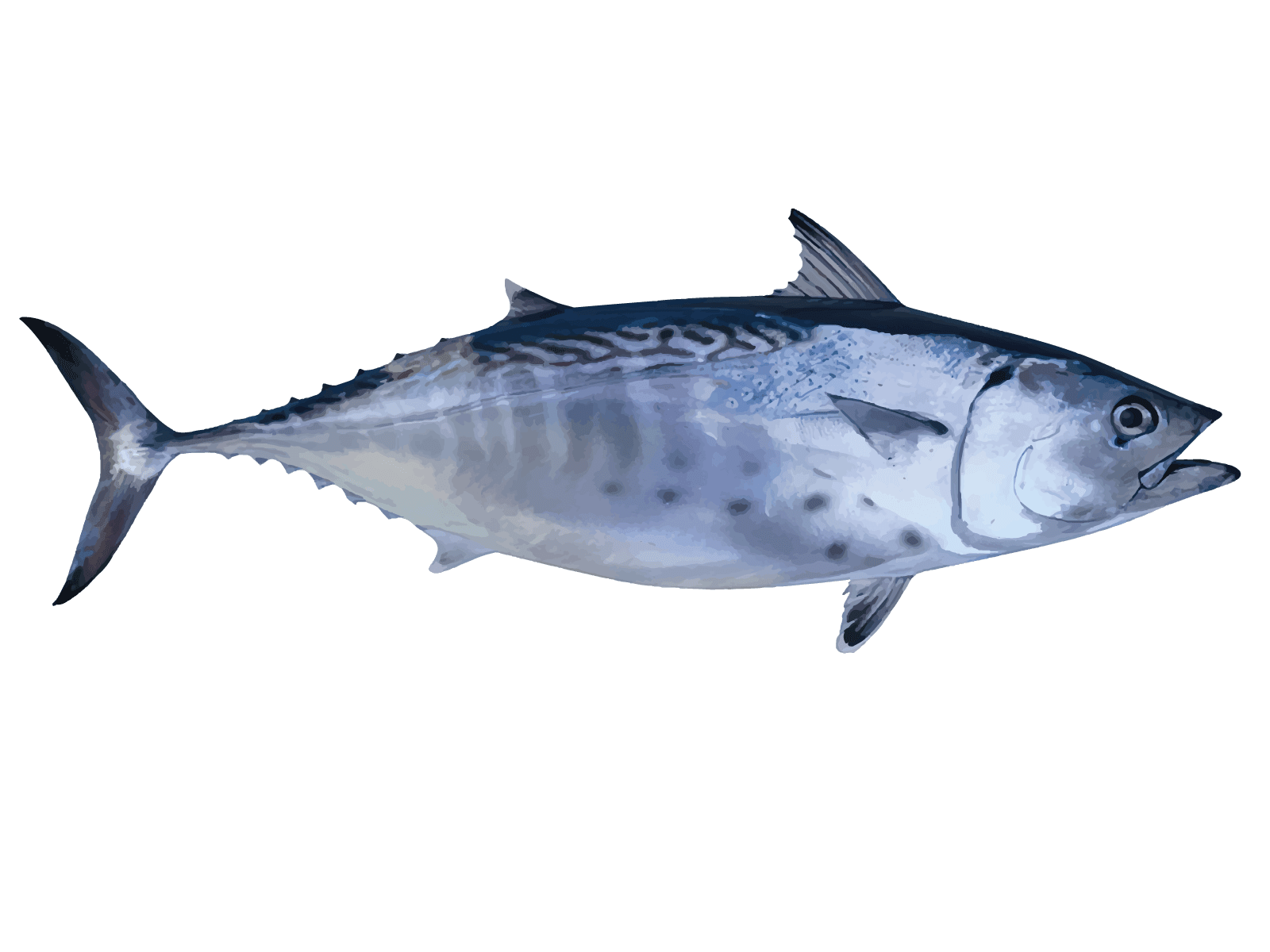
The Little Tunny (Euthynnus alletteratus), also known as False Albacore or Bonita, belongs to the Scombridae family within the order Perciformes. This smaller cousin to the more famous tuna species is distinctive for its dark, wavy markings on its back and the characteristic black spots between the pectoral and ventral fins. In West Palm Beach waters this July, they've been showing up consistently for anglers trolling offshore.
Little Tunny Overview
Little Tunny are among the most common tuna species in the Atlantic, prized more for their fighting ability than their culinary value. These streamlined speedsters are built for fast swimming, with a torpedo-shaped body designed to cut through water with minimal resistance. Anglers seek them for the spectacular battles they provide, often making long, drag-screaming runs when hooked.
Little Tunny Habitat and Distribution
These fish inhabit tropical and subtropical waters of the Atlantic Ocean, including the Gulf of Mexico and Caribbean Sea. They can be found from the surface down to depths of about 600 feet, but typically stay in the upper water column. Around West Palm Beach, they're commonly found anywhere from nearshore waters to several miles offshore, often following bait schools and temperature breaks.
Little Tunny Size and Weight
Little Tunny typically measure between 24 and 48 inches in length and weigh between 5 and 15 pounds. While not as large as their bluefin or yellowfin cousins, their compact musculature makes them pound-for-pound fighters that can test even heavy tackle. The 17-inch specimen caught on this trip was a smaller juvenile, but still displayed the species' characteristic fighting spirit.
Little Tunny Diet and Behavior
These aggressive predators feed primarily on small schooling baitfish like sardines, anchovies, and herring, as well as squid and small crustaceans. They're known for their feeding frenzies, during which they corral baitfish into tight balls near the surface. This behavior creates the telltale bird activity that alerts anglers to their presence. Little Tunny are most active during early morning and late afternoon hours.
Little Tunny Spawning Season
In Florida waters, Little Tunny typically spawn during the warmer months from April through November, with peak activity in summer. They reproduce offshore in open water, releasing eggs that float freely until hatching. During July in West Palm Beach, many of the Little Tunny encountered are actively feeding to support their spawning efforts, making them particularly aggressive toward properly presented baits and lures.
Little Tunny Fishing Techniques
These fish respond well to fast-moving lures and natural baits. Trolling small spoons, feathers, or cedar plugs at 6-8 knots is highly effective, particularly along weedlines, current edges, or areas where birds are working. Light spinning tackle with 15-20lb test line provides the most sport. In West Palm Beach during summer months, look for Little Tunny feeding on the surface early in the morning, especially where clean blue water meets greener inshore water, creating temperature and clarity breaks.
Little Tunny Is It Good to Eat?
Little Tunny has a reputation as being less desirable for the table than many other tuna species. The dark, blood-rich meat has a strong flavor that many find too fishy. However, when properly handled—bled immediately, iced thoroughly, and prepared fresh—it can be enjoyable. Some anglers smoke the meat or use it in dishes where stronger flavors are complemented by bold seasonings. Many prefer to release these fish, recognizing their greater value as a sporting species.
Little Tunny Frequently Asked Questions
Q: What is the best bait for Little Tunny?
A: Small, shiny lures like Clark spoons, small feathers, and small trolling plugs are most effective. For natural bait, small pilchards or sardines rigged to skip across the surface work well. Match the hatch by using lures similar in size and color to the baitfish they're feeding on.
Q: Where can I find Little Tunny near West Palm Beach?
A: Look for birds working over baitfish schools, especially within 1-5 miles offshore. They're often found along current edges, color changes in the water, and structure that concentrates baitfish. During summer months, they can sometimes be found just outside the inlet in cleaner water.
Q: Is Little Tunny good to eat?
A: While not considered premium table fare, Little Tunny can be prepared in ways that minimize its strong flavor. Bleeding and icing immediately after catch is essential. Try smoking the meat, making tuna salad with bold seasonings, or cooking with acidic ingredients like lemon and tomato to balance the flavor.
Q: When is the best time to catch Little Tunny?
A: Early morning and late afternoon are typically the most productive times. In West Palm Beach, summer months (June through September) offer the most consistent action. Look for them feeding on the surface, which is often indicated by birds diving or bait spraying across the water.
Q: How do you identify Little Tunny from other similar species?
A: Little Tunny can be distinguished by their wavy, dark markings on their backs (compared to the straight lines of bonito) and several distinctive black spots between their pectoral and ventral fins. They also have a more rounded body profile than the similar-sized skipjack tuna.
Q: What tackle should I use for Little Tunny?
A: Medium-weight spinning gear with 15-20lb test line is ideal. Use a fast-action rod that can handle their initial runs. A small fluorocarbon leader (30-40lb) helps prevent cutoffs from their small but sharp teeth. When trolling, use conventional gear with similar line ratings.