%2Ffit-in%2F250x250%2Fguide_websites%2F461%2Fimages%2Frich%20adler%20horizontal%20v2.png&w=1920&q=100)
Reeled In a slippery Little Tunny in West
Little Tunny Fishing in West Palm Beach
%2F%2Fusers%2F33cfca0a-ab78-43c3-9e45-e9d8978f141f%2Fimages%2Flittle-tunny-west-palm-beach-8380.png&w=1920&q=75)
The Little Tunny is one of the most common members of the tuna family found in Florida's coastal waters. These fast-swimming predators are known for their incredible fighting ability, often making blistering runs and diving deep when hooked. - Little Tunny typically range from 5-15 pounds in West Palm Beach waters. - Also known as False Albacore or Bonita by some anglers. - They travel in schools, making them an excellent target for both trolling and casting techniques.
Fishing Charter by Captain Rich Adler in August

Meet your Captain Rich Adler
- Palm Beach Sportfishing - Tuna, Wahoo and more!




Summary
Sunday June fishing in West Palm Beach delivered some exciting Little Tunny action on our Tuna Wahoo Charters trip. Captain Rich Adler guided anglers through both jigging and trolling techniques, resulting in several quality catches. This offshore fishing charter showcased why West Palm Beach is known for its productive deep sea opportunities, particularly when targeting these fast-swimming members of the tuna family. Perfect for families looking to experience the thrill of Florida's saltwater fishing, our charters provide all necessary gear and expert guidance to help both first-timers and experienced anglers connect with these sporty fish. The summer bite has been strong, with Little Tunny providing consistent action along the Palm Beach coastline.
Fishing Charter with Rich Adler – Rates & Booking
Captain Rich Adler of Tuna Wahoo Charters on Sunday June leads fishing trips targeting Little Tunny and other exciting offshore species. Our West Palm Beach fishing charters are fully equipped with quality gear for deep sea trolling, kite fishing, and jigging techniques. We welcome anglers of all experience levels, from first-timers to seasoned fishermen. Morning trips typically yield the best action for Little Tunny, though we offer flexible scheduling to accommodate your group. Safety is our priority, with all required equipment provided on our licensed charter vessel.
Highlights of this Fishing Trip
This West Palm Beach fishing charter featured multiple catching techniques including jigging, trolling, and kite fishing. The trip's highlight was watching a young angler named Cruz catch his first-ever saltwater fish—a feisty Bonita—while his father landed several quality fish including a Great Barracuda, Little Tunny, and a beautiful Queen Trigger fish. The offshore waters off Riviera Beach provided steady action throughout the day, making for an unforgettable family fishing experience.
Captain Rich Adler's local knowledge proved invaluable as he positioned the boat in prime Little Tunny territory, allowing for multiple hookups using various proven techniques. The combination of live bait fishing and artificial presentations ensured consistent action throughout the charter.
Local Species Insights: Little Tunny
Little Tunny are one of the most abundant tuna species in Florida's coastal waters, particularly around West Palm Beach. These hard-fighting fish average 5-15 pounds but can reach weights close to 35 pounds. They're often found in schools feeding on small baitfish near the surface, making them perfect targets for both trolling and casting techniques. Their dark meat has a strong flavor that some anglers enjoy when properly prepared, though many choose to release these fish after the fight.
For the best chance at hooking into Little Tunny off West Palm Beach, we typically employ a mix of fast trolling with small, flashy lures and casting small jigs or spoons when we spot surface activity. These fish are known for their blistering runs and dogged fights, making them a favorite among sport anglers looking for a challenge on lighter tackle.
Plan Your Fishing Charter Day
Our West Palm Beach fishing charters depart from convenient Riviera Beach marinas, with easy access to both the inlet and offshore waters. We recommend bringing sun protection, a light jacket, and any personal snacks or drinks you might want during your trip. Our boat comfortably accommodates small groups and families, with shade, seating, and a clean restroom on board. All fishing licenses, quality tackle, bait, and safety equipment are provided. Morning departures typically start around 7:00 AM, though we can adjust timing based on your group's needs and the seasonal fishing patterns.
Fishing in West Palm Beach: Little Tunny
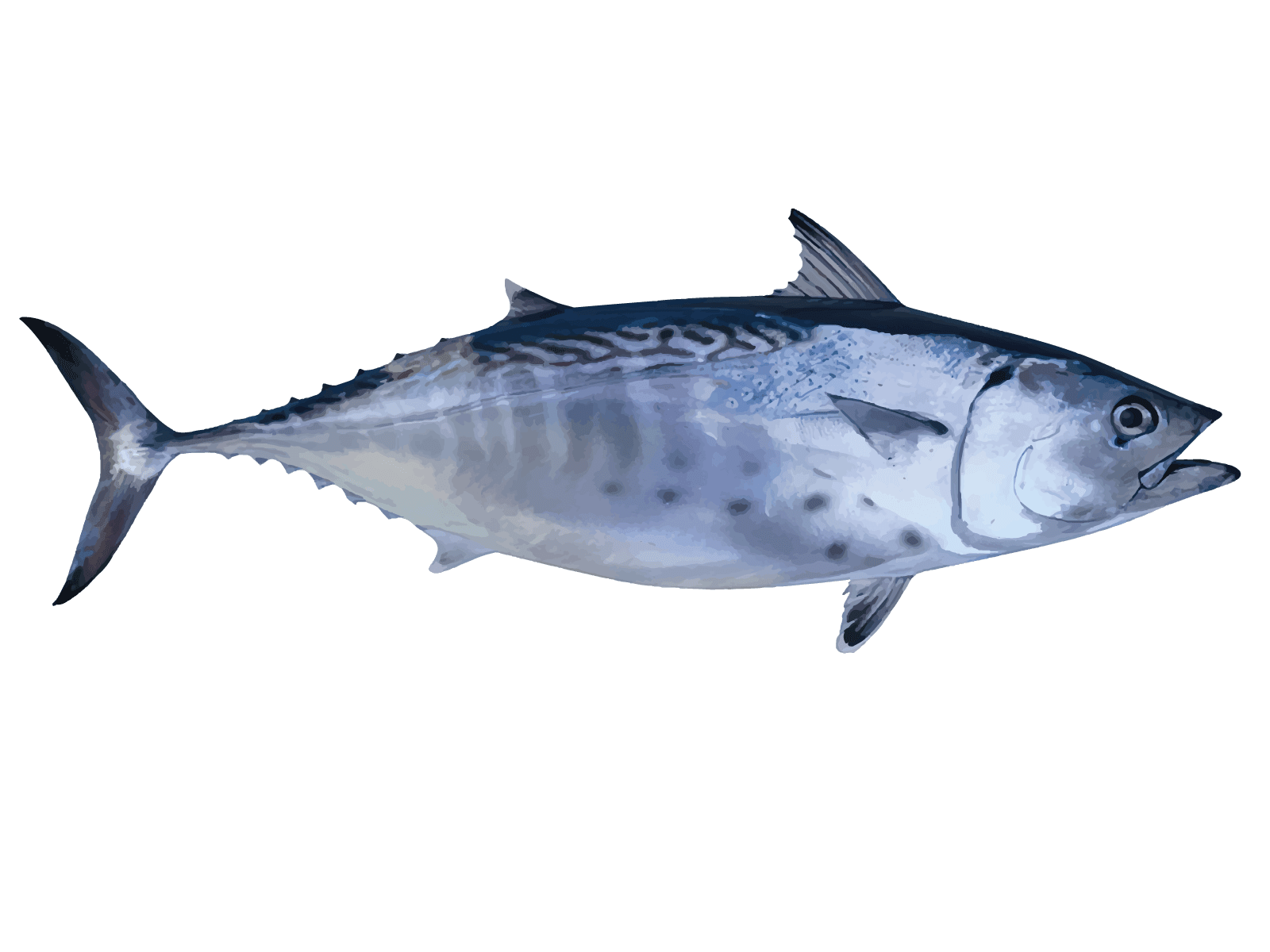
The Little Tunny (Euthynnus alletteratus) is a member of the Scombridae family within the order Perciformes. These compact powerhouses are distinguished by their dark, wavy lines on their back and black spots below their pectoral fins. In West Palm Beach waters this June, these fish provide consistent action for offshore anglers seeking hard-fighting species.
Little Tunny Overview
Little Tunny are often called False Albacore or Bonita by Florida anglers. These streamlined predators are built for speed, with a torpedo-shaped body that allows them to make blistering runs when hooked. While not as prized for the table as their tuna cousins, they're highly regarded as gamefish due to their fighting ability and willingness to strike a variety of lures and baits.
Little Tunny Habitat and Distribution
These fish inhabit tropical and subtropical waters of the Atlantic Ocean, including the Gulf of Mexico and the Caribbean Sea. They can be found in onshore, nearshore, and offshore environments, typically in depths ranging from 20 to 200 feet. Around West Palm Beach, they're commonly encountered within a few miles of shore, particularly around structures, reefs, and areas where bait concentrates.
Little Tunny Size and Weight
Little Tunny typically measure between 24 and 48 inches in length, with weights ranging from 5 to 15 pounds. Trophy specimens can occasionally reach weights approaching 30 pounds, though such catches are uncommon. The average Little Tunny caught off West Palm Beach typically weighs in the 7-12 pound range.
Little Tunny Diet and Behavior
These voracious predators feed primarily on small schooling baitfish like pilchards, threadfin herring, and anchovies. They also consume squid and small crustaceans. Little Tunny are typically most active during morning and evening hours, when they often push bait to the surface, creating feeding frenzies that can be spotted by diving birds. They travel in schools, making them an excellent target when located.
Little Tunny Spawning Season
In Florida waters, Little Tunny typically spawn during spring and summer months when water temperatures range between 75-85°F. During June in West Palm Beach, these fish are often in post-spawn feeding mode, making them particularly aggressive. They spawn offshore in open waters, releasing their eggs which then float freely until hatching.
Little Tunny Fishing Techniques
To target Little Tunny successfully, three effective methods stand out. Fast trolling with small shiny lures like Clark spoons or small feathers at 7-9 knots is highly productive. When schools are spotted feeding on the surface, casting small metal jigs, spoons, or epoxy jigs and retrieving them quickly through the school often triggers strikes. In June around West Palm Beach, anglers find success by looking for birds diving over bait schools about 1-3 miles offshore, particularly during morning hours when the wind is calm.
Little Tunny Is It Good to Eat?
Little Tunny has very dark, blood-rich meat that many anglers find too strong-flavored for their taste. However, when properly handled—bled immediately, iced down, and prepared fresh—it can be enjoyable. The dark meat is high in omega-3 fatty acids but should be eaten in moderation due to potential mercury content. Some anglers smoke Little Tunny or prepare it in dishes that complement stronger flavors, while others prefer to release them to fight another day.
Little Tunny Frequently Asked Questions
Q: What is the best bait for Little Tunny?
A: Small, shiny artificial lures like silver spoons, small jigs, and flash-enhanced flies work excellently. For live bait, small pilchards, threadfin herring, or small ballyhoo rigged on a long fluorocarbon leader will entice strikes when presented properly.
Q: Where can I find Little Tunny near West Palm Beach?
A: Look for diving birds, surface activity, or bait schools about 1-3 miles offshore. Little Tunny frequently congregate around the edge of the Gulf Stream current, reef edges, and prominent structure. During summer months, they can sometimes be found just outside the inlet.
Q: Is Little Tunny good to eat?
A: Little Tunny has a strong, dark meat that some anglers enjoy while others find too intense. For best results, bleed the fish immediately, remove the dark bloodline, and prepare it fresh. Smoking, grilling with bold seasonings, or using in fish dips are popular preparation methods.
Q: When is the best time to catch Little Tunny?
A: Early morning hours are typically most productive, especially in summer months like June. The first few hours after sunrise often see the most surface activity. Seasonally, spring through fall offers the best Little Tunny fishing in West Palm Beach waters.
Q: How do you identify a Little Tunny vs a Bonito?
A: Little Tunny have dark, wavy lines on their backs above the lateral line and distinctive black spots below their pectoral fins. Atlantic Bonito have straight, slightly angled stripes along their backs and no spots. Little Tunny also have a more pronounced, almost bulging eye compared to Bonito.
Q: What tackle should I use for Little Tunny?
A: Medium spinning gear with 15-20 pound line or comparable baitcasting equipment works well. A 7-foot medium-action rod paired with a quality reel holding at least 200 yards of line is ideal, as these fish make long, fast runs when hooked.