%2Ffit-in%2F250x250%2Fguide_websites%2F461%2Fimages%2Frich%20adler%20horizontal%20v2.png&w=1920&q=100)
Little Tunny Fishing Adventures with Rich Adler
Little Tunny Fishing in West Palm Beach
%2F%2Fusers%2F33cfca0a-ab78-43c3-9e45-e9d8978f141f%2Fimages%2Flittle-tunny-west-palm-beach-8322.png&w=1920&q=75)
The Little Tunny belongs to the order Perciformes and family Scombridae. It typically measures between 24 and 48 inches in length, with a weight range from 5 to 15 lbs. - Found in onshore, nearshore, and offshore waters. - Known by multiple names including Bonita, False Albacore, and Little Tuna. - Exhibits migratory behavior, typically heading south during Winter or Fall. - Uses schooling as a primary defense mechanism due to smaller size compared to other tuna species.
Fishing Charter by Captain Rich Adler in August

Meet your Captain Rich Adler
- Palm Beach Sportfishing - Tuna, Wahoo and more!




Summary
Captain Rich Adler of Tuna Wahoo Charters on Monday July delivered an outstanding offshore fishing charter in West Palm Beach, targeting Little Tunny through trolling and bottom fishing techniques. The 3/4 day trip showcased the summer bite with multiple species including Grey Triggerfish, wrasses, and a memorable amberjack encounter. West Palm Beach waters offer prime conditions for both trolling and bottom fishing, making it an ideal destination for anglers seeking diverse offshore action. Book your charter with experienced local guides who know these productive waters.
Fishing Charter with Captain Rich Adler – Rates & Booking
Captain Rich Adler of Tuna Wahoo Charters on Monday July offers comprehensive 3/4 day offshore fishing trips targeting Little Tunny and various bottom species. The charter includes all necessary gear, tackle, and local expertise for trolling and bottom fishing techniques. Trips depart at dawn to maximize fishing time during peak bite periods. Contact Tuna Wahoo Charters directly for current rates, availability, and booking your West Palm Beach fishing adventure.
Highlights of Tuna Wahoo Charters Experience
This West Palm Beach fishing charter combines multiple techniques to target diverse species throughout the day. Trolling produces consistent Little Tunny action, while bottom fishing yields Grey Triggerfish, wrasses, Squirrel fish, grunts, and Sand tilefish. The offshore waters provide excellent opportunities for encountering larger gamefish like amberjack, with the added excitement of occasional shark activity.
Summer conditions in West Palm Beach create ideal fishing scenarios with partly cloudy skies and favorable sea states. The 3/4 day format allows ample time to explore different fishing methods and adapt to changing conditions throughout the trip.
Local Species Insights: Little Tunny
Little Tunny thrive in West Palm Beach's offshore waters during summer months, responding well to trolling presentations in the early morning hours. These fast-swimming members of the tuna family typically travel in schools, making them excellent targets for charter fishing. Their aggressive feeding behavior and strong fighting ability provide exciting action for anglers of all skill levels. The species' migratory nature means consistent availability during peak summer fishing season in South Florida waters.
Plan Your Fishing Charter Day
Your West Palm Beach fishing charter begins with pre-dawn departure to reach productive offshore waters during optimal fishing conditions. The boat comes fully equipped with trolling gear, bottom fishing tackle, and all necessary safety equipment. Captain Rich Adler provides local knowledge of current fishing patterns, seasonal movements, and proven techniques for targeting Little Tunny and bottom species. The 3/4 day format accommodates various skill levels while maximizing fishing opportunities in West Palm Beach's productive offshore waters.
Fishing in West Palm Beach: Little Tunny
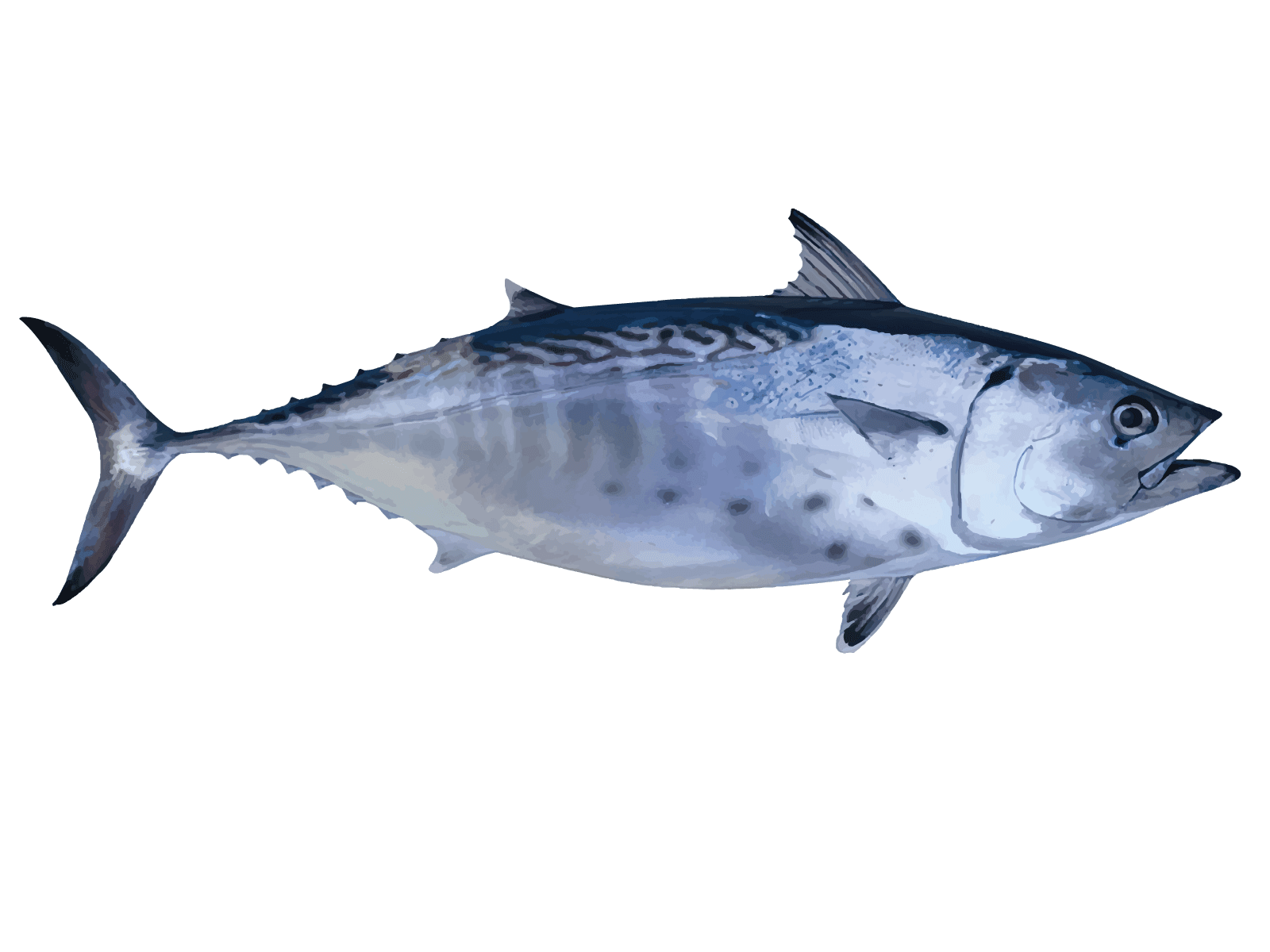
The Little Tunny (Euthynnus alletteratus) is a dynamic member of the Scombridae family and Perciformes order, commonly known as Bonita, False Albacore, or Little Tuna. This smaller tuna variant displays distinctive characteristics that make it a prized catch for West Palm Beach anglers, particularly during July when they're most active in offshore waters.
Little Tunny Overview
Little Tunny represent one of the most accessible tuna species for recreational anglers, combining the fighting power of larger tunas with more manageable size. Their streamlined bodies and powerful swimming ability make them excellent targets for trolling operations. These fish are highly valued for their aggressive strikes and sustained runs that test angler skill and equipment.
Little Tunny Habitat and Distribution
Little Tunny inhabit onshore, nearshore, and offshore waters throughout the Atlantic, making West Palm Beach an ideal location for targeting them. They prefer warmer waters and are commonly found around structure, temperature breaks, and areas with abundant baitfish. In South Florida waters, they're frequently encountered from the reef line out to the Gulf Stream edge.
Little Tunny Size and Weight
These fish typically range from 24 to 48 inches in length, with weights between 5 and 15 pounds. While smaller than their yellowfin and bluefin cousins, Little Tunny pack impressive power relative to their size, often surprising anglers with their strength and endurance during the fight.
Little Tunny Diet and Behavior
Little Tunny are aggressive predators that feed on small fish, squid, and crustaceans. They hunt in schools, often driving baitfish to the surface in feeding frenzies that create excellent fishing opportunities. Their feeding activity peaks during early morning and late afternoon hours, making dawn departures particularly productive for charter fishing.
Little Tunny Spawning Season
Spawning occurs in warmer months when water temperatures rise above 75°F. During summer months in West Palm Beach, mature Little Tunny become more active and aggressive, making July an excellent time for targeting them. Their increased feeding activity during spawning season creates ideal conditions for trolling success.
Little Tunny Fishing Techniques
Trolling remains the most effective method for targeting Little Tunny, using small feathers, spoons, and diving plugs at speeds between 6-8 knots. They respond well to ballyhoo presentations and cedar plugs trolled at various depths. In July around West Palm Beach, anglers find success working the reef line and temperature breaks where schools concentrate during feeding periods.
Little Tunny Is It Good to Eat?
Little Tunny provides excellent table fare when properly handled and prepared. The meat is darker than larger tuna species but offers rich flavor and firm texture. High in protein and omega-3 fatty acids, it's excellent grilled, blackened, or prepared as sashimi when ultra-fresh. Proper bleeding and icing immediately after catch ensures optimal flavor.
Little Tunny Frequently Asked Questions
Q: What is the best bait for Little Tunny?
A: Small ballyhoo, cedar plugs, feathers, and spoons work best when trolled at 6-8 knots. Live pilchards and sardines are also effective when available.
Q: Where can I find Little Tunny near West Palm Beach?
A: Look for them along the reef line, around weed lines, and near temperature breaks from 100-400 feet of water. They often school with other pelagic species.
Q: Is Little Tunny good to eat?
A: Yes, when properly handled they provide excellent table fare with rich flavor and firm texture. The meat is darker than larger tuna but very nutritious.
Q: When is the best time to catch Little Tunny?
A: Early morning and late afternoon provide peak activity. Summer months like July offer excellent fishing when water temperatures are optimal for feeding.