%2Ffit-in%2F250x250%2Fguide_websites%2F461%2Fimages%2Frich%20adler%20horizontal%20v2.png&w=1920&q=100)
Little Tunny Fishing Adventures Near Riviera Beach
Little Tunny Fishing in West Palm Beach
%2F%2Fusers%2F33cfca0a-ab78-43c3-9e45-e9d8978f141f%2Fimages%2Flittle-tunny-west-palm-beach-4982.png&w=1920&q=75)
The Little Tunny belongs to the order Perciformes and family Scombridae. It typically measures between 24 and 48 inches in length, with a weight range from 5 to 15 lbs. - Found in onshore, nearshore, and offshore waters. - Known by multiple names including Bonita, False Albacore, and Little Tuna. - Schools together as a defense mechanism and follows migratory patterns. - Heads south during winter and fall months.
Fishing Charter by Captain Rich Adler in August

Meet your Captain Rich Adler
- Palm Beach Sportfishing - Tuna, Wahoo and more!




Summary
Captain Rich Adler of Tuna Wahoo Charters on Tuesday July delivered an outstanding half-day fishing charter off West Palm Beach, targeting Little Tunny and Mahi Mahi through trolling and live bait techniques. The morning trip showcased the productive offshore waters of the Atlantic, where anglers consistently find quality gamefish action. West Palm Beach offers excellent year-round fishing opportunities, with summer months providing ideal conditions for trolling nearshore and offshore structures. Our experienced local guides know these waters intimately, employing proven methods like bottom fishing and live bait presentation to maximize your catch potential. Whether you're seeking the speed of Little Tunny or the vibrant colors of Mahi Mahi, this charter fishing destination delivers memorable experiences for anglers of all skill levels. Book your offshore adventure and discover why West Palm Beach remains a top choice for serious fishing enthusiasts.
Fishing Charter with Captain Rich Adler – Rates & Booking
Captain Rich Adler of Tuna Wahoo Charters on Tuesday July offers half-day morning trips starting at dawn for optimal fishing conditions. Our offshore charters target Little Tunny, Mahi Mahi, and other Atlantic gamefish using proven trolling techniques and live bait presentations. All fishing gear, tackle, and safety equipment are included with your licensed captain providing expert guidance throughout your trip. Rates vary by season and group size – contact us directly for current pricing and availability. Book online or call to reserve your West Palm Beach fishing adventure with an experienced local guide who knows these productive offshore waters.
Highlights of Half Day Offshore Charter
This morning charter showcases the best of West Palm Beach offshore fishing, with Captain Rich employing multiple techniques including trolling, bottom fishing, and live bait fishing to target various species at different depths. The Atlantic waters off West Palm Beach provide excellent habitat for Little Tunny, Mahi Mahi, and other pelagic species, making every trip an exciting opportunity for quality catches.
Summer conditions offer ideal weather windows for offshore fishing, with partly cloudy skies and calm seas creating perfect scenarios for both novice and experienced anglers. The versatility of techniques used ensures maximum fishing action, whether you're seeking the speed and fight of Little Tunny or hoping to land a colorful Mahi Mahi.
Local Species Insights: Little Tunny
Little Tunny thrive in the warm Atlantic waters off West Palm Beach, particularly during summer months when they move through nearshore and offshore areas in schools. These fast-swimming members of the tuna family respond well to trolling presentations and live bait, making them exciting targets for charter fishing. Captain Rich's knowledge of local migration patterns and feeding behavior ensures anglers are positioned in the most productive areas when these fish are actively feeding. The 20-21 inch fish caught on recent trips represent typical size ranges for this area, providing excellent sport on light to medium tackle.
Plan Your Fishing Charter Day
Your half-day morning charter begins at the marina before sunrise, allowing you to reach productive fishing grounds as the sun comes up. The boat is equipped with all necessary fishing gear, tackle, and safety equipment, accommodating small groups for a personalized fishing experience. Captain Rich provides instruction on techniques and assists with all aspects of the fishing, making this trip suitable for anglers of all experience levels. Plan to dress in layers for early morning departure, bring sun protection, and prepare for an exciting few hours on the Atlantic targeting some of Florida's most sought-after gamefish.
Fishing in West Palm Beach: Little Tunny
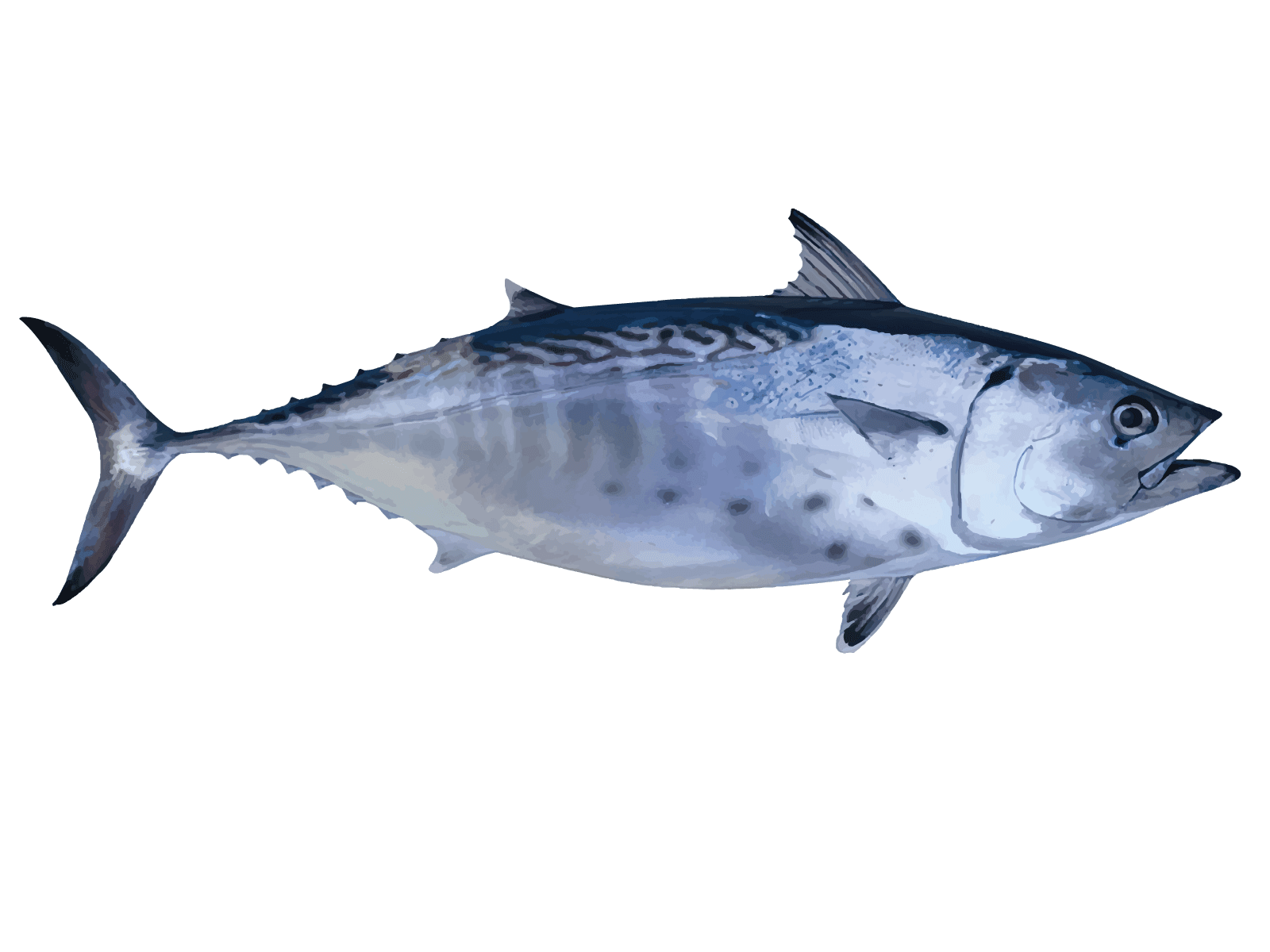
Little Tunny (Euthynnus alletteratus) is a fast-swimming member of the Scombridae family, closely related to other tunas but smaller in size. Also known as False Albacore, Bonita, or Little Tuna, this species is prized by anglers for its speed, stamina, and excellent fighting ability. In West Palm Beach waters this July, Little Tunny provide exciting action for charter fishing enthusiasts seeking quality gamefish on light to medium tackle.
Little Tunny Overview
Little Tunny are among the smaller tuna species, typically ranging from 24 to 48 inches and weighing between 5 to 15 pounds. They feature distinctive wavy lines on their backs and lack the scales behind their pectoral fins that distinguish them from other tuna species. These fish are highly valued by sport anglers for their incredible speed and acrobatic fights when hooked.
Little Tunny Habitat and Distribution
Little Tunny inhabit onshore, nearshore, and offshore waters throughout the Atlantic, making them accessible to charter boats operating from West Palm Beach. They prefer warm waters and are commonly found around structure, temperature breaks, and areas with abundant baitfish. During summer months, they move through Florida waters in schools, following bait concentrations and favorable water temperatures.
Little Tunny Size and Weight
Adult Little Tunny typically measure between 24 and 48 inches in length, with most charter-caught fish weighing between 5 and 15 pounds. The fish caught on recent West Palm Beach charters, measuring 20-21 inches, represent younger specimens that still provide excellent sport fishing action.
Little Tunny Diet and Behavior
Little Tunny feed primarily on small fish, squid, and crustaceans, often hunting in schools near the surface. They are active predators that respond well to trolled lures, live bait, and artificial presentations. Their schooling behavior and constant movement make them exciting targets for charter fishing, as anglers often encounter multiple fish when they locate a feeding school.
Little Tunny Spawning Season
Little Tunny spawn in warm offshore waters during spring and summer months, with peak activity occurring when water temperatures reach optimal ranges. During spawning periods, they may form larger aggregations, making them more accessible to charter fishing operations.
Little Tunny Fishing Techniques
Trolling with small lures, spoons, and feathers proves most effective for Little Tunny, as does live bait fishing with pilchards, sardines, or other small baitfish. They respond well to fast-moving presentations that mimic fleeing prey. In July around West Palm Beach, anglers find success trolling nearshore and offshore waters, particularly around structure and temperature breaks where baitfish concentrate.
Little Tunny Is It Good to Eat?
Little Tunny has dark, rich meat with a strong flavor that some anglers enjoy when properly prepared. The meat is high in protein and omega-3 fatty acids, though it requires careful handling and preparation due to its oily nature. Many anglers practice catch and release with Little Tunny, appreciating them primarily for their sporting qualities.
Little Tunny Frequently Asked Questions
Q: What is the best bait for Little Tunny?
A: Small trolling lures, spoons, feathers, and live bait such as pilchards or sardines work best. Fast-moving presentations that mimic small fleeing fish are most effective.
Q: Where can I find Little Tunny near West Palm Beach?
A: Little Tunny are found in nearshore and offshore waters around structure, temperature breaks, and areas with abundant baitfish. Charter captains know the most productive locations based on current conditions.
Q: Is Little Tunny good to eat?
A: Little Tunny has dark, oily meat with a strong flavor. While edible when properly prepared, many anglers prefer to release them due to their excellent sporting qualities.
Q: When is the best time to catch Little Tunny?
A: Summer months provide excellent Little Tunny fishing in West Palm Beach waters, with early morning and late afternoon often producing the best action when they are actively feeding.