%2Ffit-in%2F250x250%2Fguide_websites%2F461%2Fimages%2Frich%20adler%20horizontal%20v2.png&w=1920&q=100)
Brown Bullhead Fishing in Riviera Beach FL
Brown Bullhead Fishing in Riviera Beach - What to Expect
%2F%2Fusers%2F33cfca0a-ab78-43c3-9e45-e9d8978f141f%2Fimages%2Ffishing-tour-big-brown-bullheads-2864.jpg&w=1920&q=75)
Fishing Charter by Captain Rich Adler in December

Meet your Captain Rich Adler
- Palm Beach Sportfishing - Tuna, Wahoo and more!




Summary
Join a high-energy fishing charter in Riviera Beach with Captain Rich Adler of Tuna Wahoo Charters on Tuesday, July 8th. This action-packed fishing charter delivers fast-paced excitement as anglers pursue brown bullhead, one of the region's most rewarding catches. Experience the thrill of connecting with powerful fish in West Palm Beach waters.
Fishing Charter with Captain Rich Adler - Rates & Booking
Captain Rich Adler of Tuna Wahoo Charters led an explosive fishing charter on Tuesday, July 8th, bringing anglers face-to-face with trophy brown bullhead. This is the kind of fast-paced action that keeps adrenaline pumping throughout the day. Book your spot with Captain Rich for an unforgettable fishing charter experience in Riviera Beach and tap into the incredible potential of West Palm Beach waters.
Contact Tuna Wahoo Charters to reserve your charter today and lock in your fishing adventure. Captain Rich's local expertise and proven track record ensure you get on the fish quickly and maximize your time on the water.
Highlights of Brown Bullhead Fishing
Brown bullhead put up an intense fight, making them a prime target for anglers seeking genuine excitement and solid catches. These powerful fish respond aggressively to the right techniques, and Captain Rich knows exactly how to trigger strikes. The energy on the water is electric when bullhead start hitting, and multiple catches in a single charter session deliver the kind of non-stop action that makes fishing memorable.
The West Palm Beach area offers prime habitat for brown bullhead, with structure and channels that concentrate fish and create excellent odds for multiple hookups. When conditions align and the bite turns on, you're in for rapid-fire action that tests your skills and keeps the rods bending.
Local Species Insights: Brown Bullhead
Brown bullhead are aggressive bottom feeders that thrive in the coastal waters around West Palm Beach and Riviera Beach. These catfish display incredible strength for their size, making them a thrilling target for anglers of all skill levels. They're built for power, with strong jaw muscles and a hard-fighting spirit that delivers consistent, intense action throughout the charter.
The environment in this region supports healthy brown bullhead populations year-round. These fish are active in deeper channels, near structure, and around drop-offs where they hunt aggressively. Captain Rich positions the charter to intercept them where they feed, maximizing your chances of connecting with multiple fish. When bullhead grab your bait, you feel it immediately - there's no mistaking the hit, and the fight that follows is pure adrenaline-fueled combat on light tackle.
Brown bullhead behavior is predictable and responsive. They attack aggressively when food sources are present, and they don't give up without a battle. This makes them ideal for anglers wanting nonstop action and genuine sport fishing excitement. The West Palm Beach fishery is particularly strong, with abundant forage and ideal conditions that keep bullhead fat, aggressive, and hungry.
Fishing in West Palm Beach: Brown Bullhead
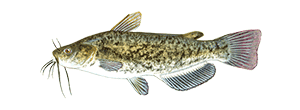
Brown Bullhead Overview
The Brown Bullhead (Ameiurus nebulosus) is a freshwater catfish belonging to the family Ictaluridae and order Siluriformes. This mud-brown to dark green catfish is instantly recognizable by its distinctive long barbels—whisker-like sensory organs that give it a somewhat prehistoric appearance. Unlike scaled fish, the Brown Bullhead sports a characteristic slimy coating over its smooth body, and its serrated dorsal spines serve as natural defense mechanisms against predators. Found throughout lakes, rivers, and backwaters across North America, these hardy bottom-feeders are a favorite among recreational anglers seeking an accessible and rewarding fishing experience. Their unique appearance and fascinating behavior make them a compelling subject for outdoor enthusiasts and naturalists alike.
Brown Bullhead Habitat and Distribution
Brown Bullheads are natives of North American freshwater systems, thriving in murky ponds, slow-moving rivers, and weedy backwater areas where visibility is low and the bottom is soft and muddy. They prefer warm-water environments and are most active during warmer months, particularly in the early days of February when water temperatures begin to rise. These fish are non-migratory and tend to congregate in schools, making them predictable residents of their chosen waters. Swamps, marshes, ditches, and shallow lakes with dense aquatic vegetation provide ideal habitats where they can hide and forage undisturbed. Their preference for murky conditions means they're equally comfortable in waters that other fish species might avoid, making them excellent indicators of specific water quality conditions in local ecosystems.
Brown Bullhead Size and Weight
Typically, Brown Bullheads reach between 8 to 22 inches in length, with most specimens weighing between 1 to 5 pounds. However, exceptional individuals have been documented reaching up to 50 centimeters (approximately 20 inches) in larger, well-established water bodies with abundant food resources and spacious environments. The size potential of these catfish is directly influenced by their habitat quality and available nutrition—those residing in expansive swamps and well-developed lake systems tend to grow larger than their counterparts in constrained environments. Their opportunistic feeding behavior and non-selective diet mean that well-fed populations can achieve significant growth over their 6 to 8-year lifespan, with rare individuals occasionally exceeding 9 years.
Brown Bullhead Diet and Behavior
As opportunistic carnivores, Brown Bullheads will consume virtually any available food source that enters their domain. Their diet includes worms, leeches, crayfish, mollusks, fish roe, aquatic insect larvae (particularly mayfly nymphs), and smaller fish species. They're not particularly discriminating and will readily feed on bread, rice, and chicken liver—facts that have made them popular among beginner anglers. Their hypersensitive barbels allow them to detect subtle chemical changes and vibrations in the water, enabling them to locate food in complete darkness or murky conditions where vision would be useless. Brown Bullheads are primarily nocturnal feeders, becoming significantly more active after sunset when they venture from their hiding spots to patrol the bottom. They communicate with one another through sound production, particularly when threatened by aggressive predators, and they school together during both feeding and resting periods, creating a cooperative social structure uncommon among catfish species.
Brown Bullhead Spawning and Seasonal Activity
Brown Bullhead reproductive activity peaks during warmer water temperatures, with the best fishing success occurring during late spring and summer months when the water warms considerably. Their preference for warm conditions means that fishing effort should intensify during unexpectedly warm weather patterns, even in late winter—seasoned anglers know that a warm spell in February can trigger feeding activity that rivals summer conditions. While these fish don't undertake long migrations, they do shift their positioning within their home waters based on seasonal temperature changes, moving into deeper channels during cold periods and spreading into shallower backwaters when conditions warm. Their non-migratory nature means that once you've located a productive Brown Bullhead population, that location generally remains reliable year-round, though activity levels will fluctuate with water temperature and seasonal daylight cycles.
Brown Bullhead Techniques for Observation and Capture
Bottom Slip-Sinker Rig Method: The most reliable approach for catching Brown Bullheads involves using a simple but effective bottom rig. Attach a size 6-8 hook to your mainline with a small bait ring and a slip-sinker that allows the rig to rest on or very near the bottom. Bait your hook with live worms, chicken liver, or cut bait, then cast into areas with muddy bottoms away from rocky debris. Allow the rig to settle on the lake or river bottom where these bottom-feeders naturally forage. Fish during low-light conditions—dusk through dawn—when these nocturnal hunters are most active. In regions around major river systems and lakes, target the deepest holes and channels during daylight hours, then move to shallower backwater areas as evening approaches.
Night Fishing with Localized Illumination: For genuinely productive sessions, employ night fishing techniques enhanced with a lantern or headlamp to navigate safely and observe your rod tip. Position your rig in known Brown Bullhead territory and monitor for the telltale taps and pulls that indicate feeding activity. These catfish are highly tactile feeders, so you'll feel distinct bites rather than the subtle nibbles of other species. Night fishing near bridges, channel structures, and vegetation-lined banks consistently produces excellent results. The sensory capabilities of these fish mean they can locate your bait quickly, even in complete darkness—in fact, they often feed more aggressively when ambient light is minimal.
Scent-Based Attraction: Maximize success by using pungent baits that appeal to the Brown Bullhead's highly developed chemical detection system. Chicken liver, stink baits, and freshly caught minnows create scent plumes that these fish can detect from considerable distances. Cast upstream in moving water to allow the scent trail to drift toward likely holding areas. In still-water environments like lakes and ponds, position your bait near submerged structure, vegetation, or deep holes where fish congregate. The combination of olfactory attraction and bottom positioning creates an irresistible scenario for feeding Brown Bullheads.
Brown Bullhead Culinary and Utilization Notes
While Brown Bullheads are technically edible, they present several challenges that limit their appeal in culinary contexts. Members of the bullhead catfish family are known for possessing significantly more bones than most other fish species, making fileting and preparation labor-intensive and requiring considerable skill. The meat itself is firm and can be flavorful when properly prepared, but the bone structure makes them less suitable for casual or family dining experiences. Additionally, their reputation as bottom-feeders can create concerns about flavor and food safety, particularly when harvested from heavily polluted waters. For those willing to undertake proper preparation techniques—including careful cleaning and thorough cooking—they can provide a viable protein source. Many regions recommend limiting consumption and checking local health advisories before keeping these fish for food, particularly in areas with known water quality issues. Most modern anglers practice catch-and-release with Brown Bullheads, valuing them more for the recreational experience than for culinary purposes.
Brown Bullhead Frequently Asked Questions
Q: What is the best bait for catching Brown Bullheads?
A: Live worms, chicken liver, and fresh cut bait are the top choices. Brown Bullheads are opportunistic feeders with excellent chemoreceptive abilities, so any protein-rich bait with strong odor will attract them. Many anglers also find success with store-bought stink baits specifically formulated for catfish species.
Q: When is the best time to fish for Brown Bullheads?
A: Dusk through dawn is prime time, as these are nocturnal feeders. However, they're most active during warm weather conditions—if air and water temperatures unexpectedly warm, fishing improves dramatically even outside typical seasons. Early February warm spells often produce exceptional results.
Q: Where in my local area can I find Brown Bullheads?
A: Look for murky, slow-moving bodies of water with soft, muddy bottoms: lakes, river backwaters, oxbow channels, and swampy areas. Avoid clear-water lakes and fast-moving sections of rivers. Local bait-and-tackle shops can provide specific recommendations for productive spots in your region.
Q: Are Brown Bullheads good to eat?
A: They're edible but challenging due to their high bone content, which requires considerable skill to remove cleanly. Flavor can be good when properly prepared from clean water sources. Check local health advisories before keeping them for food, as they're bottom-feeders that can accumulate contaminants in polluted waters.
Q: What equipment do I need for Brown Bullhead fishing?
A: A medium-weight rod, a basic reel, monofilament line, a slip-sinker rig with a size 6-8 hook, and your choice of bait are all you need. Many successful anglers use simple rod-and-reel setups without sophisticated gear, making this an accessible option for beginners.
Q: How do I distinguish a Brown Bullhead from a Black Bullhead?
A: Compare three key features: barbel coloration (Brown Bullheads have yellowish-black barbels versus the Black Bullhead's darker coloration), the presence of a black bar at the tail base (present only on Black Bullheads), and anal fin ray count (Brown Bullheads have 21-24 rays versus 17-21 on Black Bullheads). These differences are easily observable with practice.