%2Ffit-in%2F250x250%2Fguide_websites%2F461%2Fimages%2Frich%20adler%20horizontal%20v2.png&w=1920&q=100)
Caught a Blue Catfish in Riviera Beach
Blue Catfish Fishing in Riviera Beach
4.8

20 Reviews
- 5
 90%
90% - 45%
- 35%
- 2
 0%
0% - 10%
%2F%2Fusers%2F33cfca0a-ab78-43c3-9e45-e9d8978f141f%2Fimages%2Flone-angler-west-palm-beach-11506.png&w=1920&q=75)
The Blue Catfish (Ictalurus furcatus) is a member of the Ictaluridae family and is native to North American river systems. These impressive fish can grow quite large, typically measuring between 25-46 inches and weighing 20-81 pounds in optimal conditions. - Blue Catfish have a distinctive slate-blue body coloration. - They can be identified by their squared-off anal fin, compared to the rounded fin of the Channel Catfish. - They're commonly found in rivers, lakes, flats, and backcountry waters.
Fishing Charter by Captain Rich Adler in December

Meet your Captain Rich Adler
- Palm Beach Sportfishing - Tuna, Wahoo and more!




Summary
Join Captain Rich Adler and Tuna Wahoo Charters on Sunday June for a memorable 4 Hour Fishing Adventure in West Palm Beach, FL. This offshore fishing charter offers the perfect opportunity to catch a variety of species including Blue Catfish in the beautiful waters off Riviera Beach. Perfect for families and anglers of all experience levels, this trip includes all the necessary fishing gear, licenses, and expert guidance to ensure a successful day on the water. Captain Rich employs various fishing techniques including drift fishing and bottom fishing to maximize your chances of landing a great catch. Departing from Riviera Beach City Marina, this family-friendly Palm Beach fishing charter is the ideal way to experience the local fishery.
Fishing Charter with Rich Adler – Rates & Booking
Captain Rich Adler of Tuna Wahoo Charters on Sunday June offers a fantastic 4 Hour Fishing Adventure departing from Riviera Beach City Marina. This trip accommodates up to 5 guests and is perfect for families and anglers of all skill levels. Your fishing license is included in the price, making this a hassle-free booking. Captain Rich is a licensed guide with extensive local knowledge of West Palm Beach waters, ensuring you'll have the best chance at finding fish. Remember to bring cash to cover live bait costs and mate tip. Food and beverages are welcome aboard for your comfort during the trip.
Highlights of Family-Friendly Palm Beach Fishing Charters
This 4-hour offshore adventure with Tuna Wahoo Charters offers a perfect mix of fishing techniques. You'll experience drift fishing and bottom fishing, targeting a variety of species based on seasonal migrations. The crew specializes in creating a welcoming environment for novice anglers while still providing excitement for more experienced fishermen.
The waters off West Palm Beach are known for their abundant marine life, and Captain Rich knows exactly where to find the action. Whether you're hoping to catch Mahi Mahi, Yellowtail Snapper, or other local species, this trip provides all the necessary equipment and expertise for a successful day on the water.
Local Species Insights: Blue Catfish
Blue Catfish are an interesting catch in the West Palm Beach area. These distinctive fish feature slate-blue bodies and can be identified by the 30-36 rays on their fins and their squared-off anal fin edge, which distinguishes them from their cousin, the Channel Catfish. They typically measure between 25 and 46 inches in length and can weigh anywhere from 20 to 81 pounds, making them an exciting challenge on light tackle.
While trolling offshore, Blue Catfish aren't typically the primary target, but they can provide a surprising and worthwhile fight when hooked. Captain Rich can help you identify prime spots where these fish might be found, particularly when trying different bottom fishing techniques throughout your trip.
Plan Your Fishing Charter Day
For your 4-hour adventure with Tuna Wahoo Charters, plan to arrive at Riviera Beach City Marina about 15-20 minutes before departure. Wear comfortable clothing, non-slip shoes, and bring sun protection (hat, sunglasses, sunscreen). The boat comfortably accommodates up to 5 guests and features all the necessary safety equipment. All fishing gear is provided, but you're welcome to bring your favorite rod if you prefer. The vessel is equipped with fish-finding technology to maximize your chances of a successful trip, regardless of your fishing experience. Captain Rich's local knowledge ensures you'll have the best opportunity to land a memorable catch.
Fishing in West Palm Beach: Blue Catfish
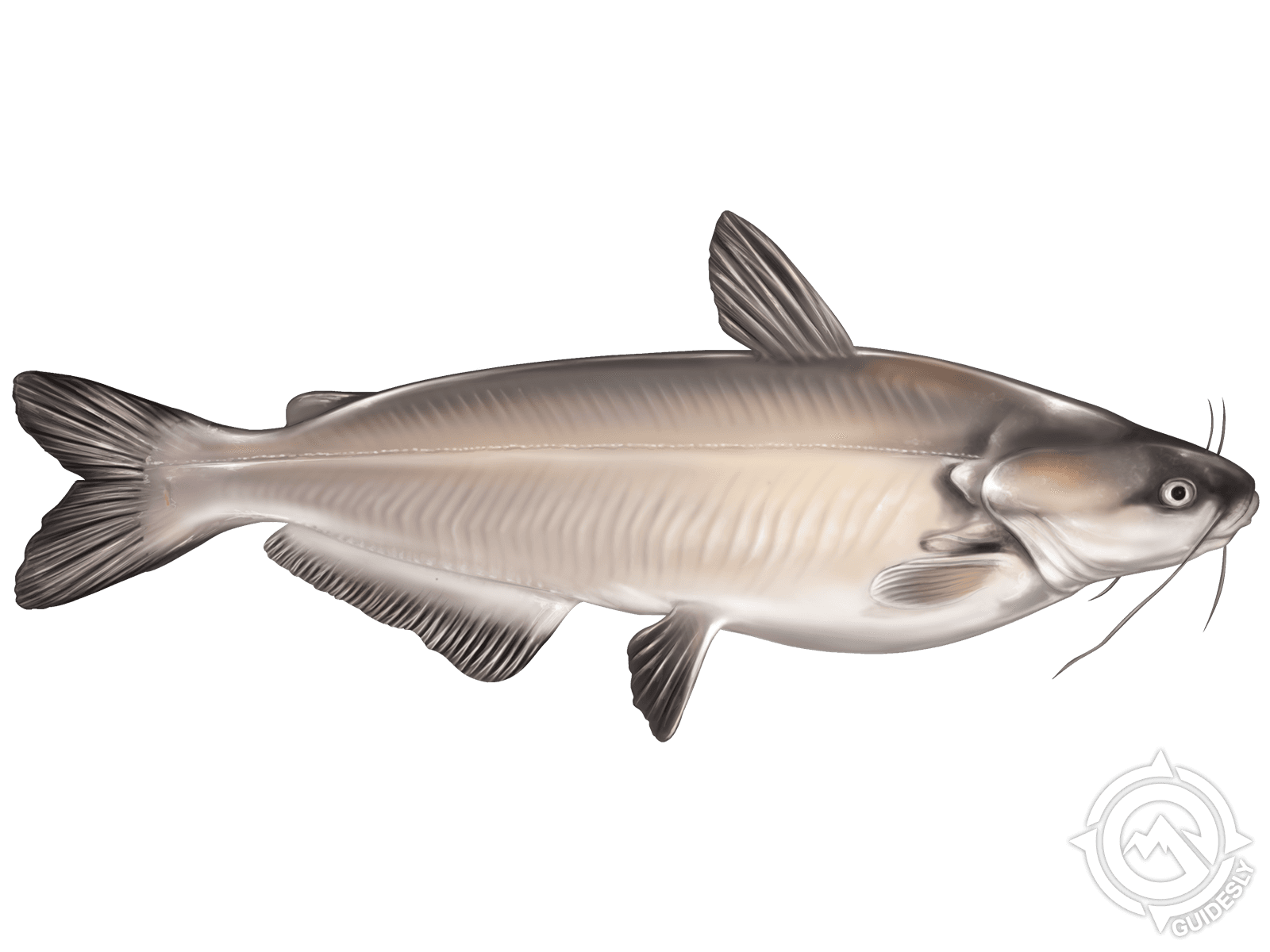
The Blue Catfish (Ictalurus furcatus), belonging to the Ictaluridae family and order Siluriformes, is one of North America's largest freshwater sport fish. These distinctive catfish are recognizable by their slate-blue coloration, forked tail, and squared-off anal fin. In Riviera Beach waters this June, anglers occasionally encounter these powerful fighters when fishing deeper holes or channels.
Blue Catfish Overview
Blue Catfish are prized game fish known for their fighting ability and substantial size potential. They're valued by anglers for both sport and table fare, with a reputation for clean, firm white meat when taken from good water quality.
Blue Catfish Habitat and Distribution
These catfish primarily inhabit large rivers, reservoirs, and lakes throughout the Mississippi River Basin and Gulf Coast drainages. They prefer deeper channels with moderate to swift currents and can adapt to various freshwater environments including river systems, lakes, flats, and backcountry waters. Near Riviera Beach, they can be found in connected freshwater systems that eventually flow toward the coast.
Blue Catfish Size and Weight
Blue Catfish typically range between 25 and 46 inches in length with weights between 20 and 81 pounds. Trophy specimens exceeding 100 pounds have been documented in optimal habitat conditions, making them the largest species of catfish in North America.
Blue Catfish Diet and Behavior
As opportunistic feeders, Blue Catfish consume a varied diet including smaller fish, crustaceans, mollusks, and occasionally plant matter. They're predominantly bottom feeders but will suspend in the water column when pursuing baitfish. Blue Catfish are more active during dawn and dusk periods and tend to move to deeper water during bright daylight hours.
Blue Catfish Spawning Season
Spawning typically occurs when water temperatures reach 70-75°F, usually from late spring through early summer. Males build and guard nests in sheltered areas with moderate current, often in cavities or under structure. Females can produce 4,000-8,000 eggs per pound of body weight, making larger females extremely valuable to the population.
Blue Catfish Fishing Techniques
The most productive methods for targeting Blue Catfish include bottom fishing with cut bait, live bait, or prepared stink baits. Heavy tackle is recommended for larger specimens, with 20-30 pound test line being common. Fresh cut bait like shad, herring, or mullet typically outperforms other offerings. In June, anglers around Riviera Beach might find them in deeper holes with structure, particularly during early morning or evening hours when they're most active.
Blue Catfish Is It Good to Eat?
Blue Catfish are considered excellent table fare when properly prepared. Their flesh is firm, white, and mild-flavored with fewer of the muddy notes sometimes associated with other catfish species. They're high in protein and relatively low in fat. Smaller specimens (under 10 pounds) generally offer the best eating quality. Proper cleaning, particularly removing the dark red meat along the lateral line, ensures the best flavor.
Blue Catfish Frequently Asked Questions
Q: What is the best bait for Blue Catfish?
A: Fresh cut bait is generally considered the most effective for Blue Catfish, particularly fresh-cut shad, herring, or mullet. For larger trophy specimens, fresh cut bait with a high oil content is typically most productive. Fresh chicken liver, prepared stink baits, and live bait can also be effective depending on local conditions.
Q: Where can I find Blue Catfish near Riviera Beach?
A: Blue Catfish in the Riviera Beach area are typically found in connected freshwater systems including deeper channels, around bridge pilings, near underwater structure, and at the confluence of water sources. Captain Rich can direct you to productive areas based on current conditions.
Q: Is Blue Catfish good to eat?
A: Yes, Blue Catfish is considered excellent table fare with firm, white meat and a mild flavor, especially specimens under 10 pounds. They're high in protein and contain beneficial omega-3 fatty acids. Proper cleaning techniques, including removing the dark red meat along the lateral line, ensure the best eating quality.
Q: When is the best time to catch Blue Catfish?
A: Blue Catfish can be caught year-round, but they're typically most active during dawn and dusk. Seasonally, spring and fall often produce the best results when fish are actively feeding. In summer months like June, early morning and evening fishing, or targeting deeper, cooler water during midday, typically yields better results.
Q: How big do Blue Catfish get in Florida waters?
A: While Blue Catfish in Florida don't typically reach the record sizes seen in some other states, they regularly grow to 20-40 pounds in good habitat. The state record is significantly larger, and trophy specimens exceeding 50 pounds are caught occasionally in prime waters.
Q: What's the difference between Blue Catfish and Channel Catfish?
A: Blue Catfish have a slate-blue body color (versus the spotted pattern of Channel Catfish), a straight-edged anal fin (versus rounded in Channel Catfish), and fewer anal fin rays (30-36 compared to 24-29). Blue Catfish also grow much larger than Channel Catfish and typically prefer deeper, moving water.