%2Ffit-in%2F250x250%2Fguide_websites%2F461%2Fimages%2Frich%20adler%20horizontal%20v2.png&w=1920&q=100)
Atlantic Sailfish Fishing Charter in Riviera Beach FL
Atlantic Sailfish Fishing in Riviera Beach - What to Expect
%2F%2Fusers%2F33cfca0a-ab78-43c3-9e45-e9d8978f141f%2Fimages%2Fatlantic-sailfish-riviera-beach-charter-2635.jpg&w=1920&q=75)
Fishing Charter by Captain Rich Adler in March

Meet your Captain Rich Adler
- Palm Beach Sportfishing - Tuna, Wahoo and more!




Summary
Join Captain Rich Adler on a Sunday in March for an unforgettable fishing charter targeting Atlantic sailfish in Riviera Beach waters. This offshore fishing charter puts you on the water where these legendary game fish roam, offering an authentic experience with a seasoned local guide and all the gear you need to tackle one of the ocean's most thrilling catches.
Fishing Charter with Captain Rich Adler - Rates & Booking
Captain Rich Adler of Tuna Wahoo Charters welcomes anglers aboard on a Sunday in March for an exciting sailfish fishing charter in Riviera Beach waters. With years of local knowledge and a passion for connecting anglers with Atlantic sailfish, Captain Rich brings expertise to every trip. All necessary fishing gear is included, so you can focus on the experience. Whether you're a seasoned angler or stepping onto a charter boat for the first time, you'll find professional guidance and a crew ready to help you land one of the most acrobatic fighters in the Atlantic. To book your charter and discuss trip details, contact Tuna Wahoo Charters directly for availability and pricing.
Highlights of Your Sailfish Adventure
Riviera Beach sits in prime sailfish territory, and Captain Rich knows exactly where to find them. The waters off West Palm Beach are home to these incredible fish during peak season, and when conditions align, you could witness some of the most dramatic strikes and aerial displays the ocean has to offer. Sailfish are built for speed and agility, and hooking into one means you're in for an unforgettable battle of strength and technique.
The charter boat setup is designed with anglers in mind, featuring plenty of deck space for casting and movement. The professional crew handles the heavy lifting while you experience the heart-pounding moment when a sailfish explodes on your line. Captain Rich's local connections and understanding of seasonal patterns mean your time on the water is spent where the fish are, not searching the empty ocean.
Local Species Insights: Atlantic Sailfish
The Atlantic sailfish is one of the most iconic game fish in the world, and Riviera Beach's offshore waters are a hotspot for encounters with these magnificent creatures. These fish are instantly recognizable by their towering dorsal fin and sleek, streamlined body designed for burst speeds that can exceed 60 miles per hour. They're ambush predators that hunt in groups, using coordinated strikes to herd baitfish into tight balls before attacking.
What makes sailfish so thrilling to fish for is their behavior on the hook. Unlike many game fish that simply pull hard and deep, sailfish are acrobats. You'll witness head-shaking runs, tail-walking, and dramatic jumps that put on a show whether you land the fish or not. They're intelligent hunters with keen eyesight, which is why skilled captains like Rich Adler use specific techniques and lures to trigger strikes.
These fish thrive in the warm Atlantic waters off Florida's coast, particularly during the winter and early spring months when they congregate in deeper channels and reefs. The sailfish fishery in this region is managed carefully to ensure sustainable populations, and catch-and-release is the standard practice. Every sailfish you encounter is a privilege, and most anglers prefer to photograph and release their catch, allowing the fish to fight again another day.
The environment you'll be fishing in is the open Atlantic, where depths can exceed 200 feet. Water conditions, weather, and seasonal patterns all play a role in sailfish behavior, and local guides like Captain Rich develop an intuition for reading these factors. Morning departures are typical, as sailfish are often most active during early light hours when baitfish are more active and visible.
Plan Your Sailfish Fishing Day
A typical sailfish charter departs early in the morning, giving you maximum hours on the water during peak bite times. You'll head offshore toward known sailfish grounds, with the boat crew scanning the water constantly for activity. Sailing conditions, baitfish presentations, and live bait tactics all factor into the day's strategy. The crew keeps everyone hydrated and fed during the experience, and most charters run full days to maximize your chances of connecting with these fish. Bring sun protection, wear comfortable clothing suitable for saltwater conditions, and prepare yourself mentally for one of the most exciting moments in fishing when a sailfish strikes.
Fishing in West Palm Beach: Atlantic Sailfish
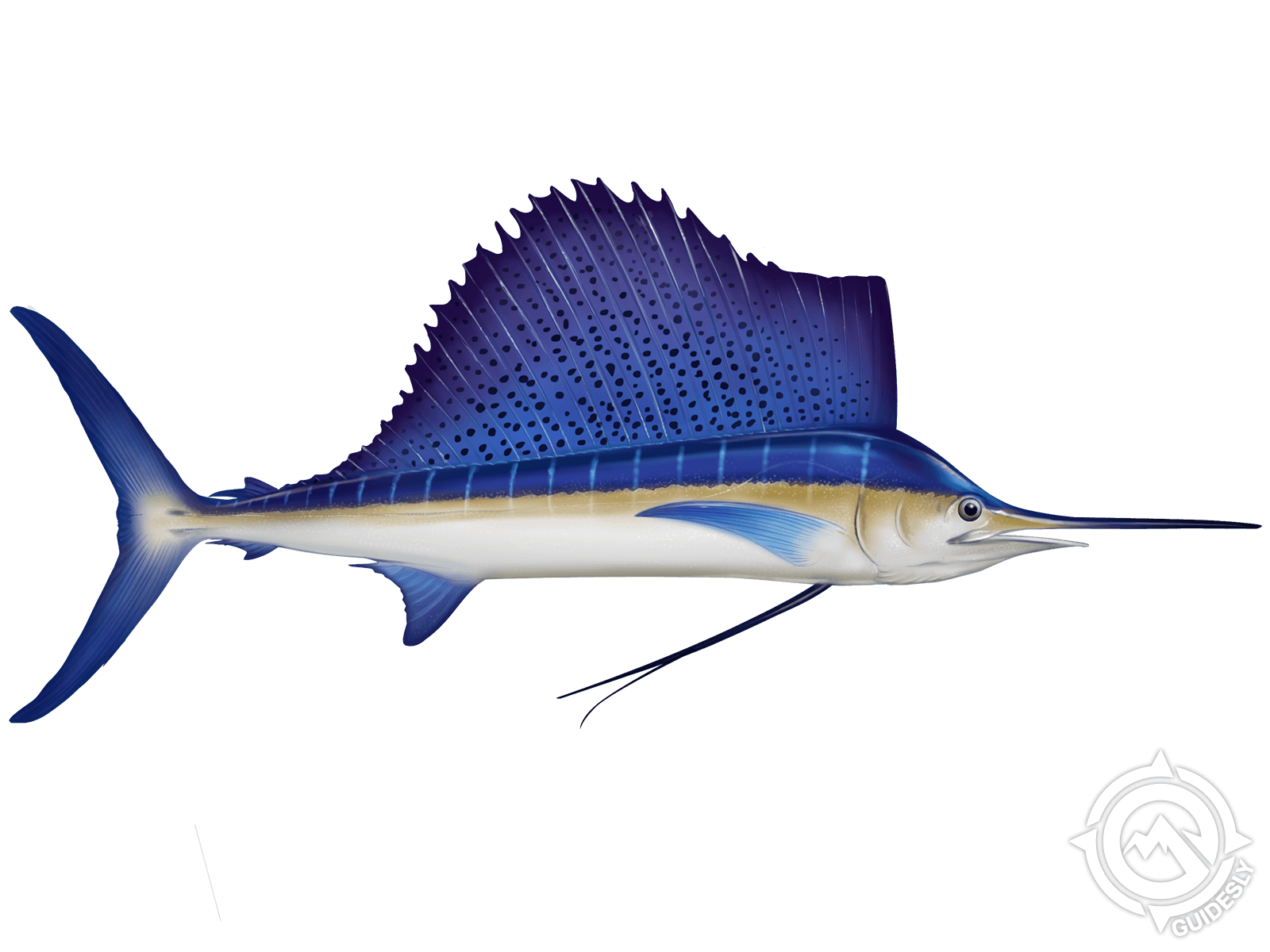
Atlantic Sailfish Overview
The Atlantic Sailfish (Istiophorus albicans), a member of the family Istiophoridae and order Perciformes, stands as one of the world's most thrilling saltwater gamefish. With its distinctive blue-to-gray metallic body and towering sail-like dorsal fin, this species is instantly recognizable and celebrated by anglers from Florida to beyond. These magnificent fish are carnivorous hunters known for their explosive speed, acrobatic leaps, and intelligent hunting behaviors. What makes the Atlantic Sailfish truly special is its ability to change colors rapidly—shifting between brilliant blues, blacks, and stripes—to communicate with pod mates during coordinated feeding attacks. When you're out on the water in South Florida or the Florida Keys, spotting the telltale sail of one of these beauties cutting through the surface is an experience few anglers ever forget.
Atlantic Sailfish Habitat and Distribution
Atlantic Sailfish thrive in warm tropical and subtropical waters, preferring temperatures between 70° to 83°F. These highly migratory fish are found throughout the western and eastern Atlantic Ocean, typically in coastal and nearshore waters where they hunt near the surface at depths of 30 to 65 feet, though they'll venture into deeper waters up to 650 feet when pursuing prey. Their migration patterns follow warmer water masses seasonally, making them nomadic hunters constantly on the move.
The most legendary fishing destination for this species is Sailfish Alley in South Florida, the region between North Miami Beach and Fort Pierce, where anglers can pursue them throughout the year. Winter months, particularly December through March, bring peak concentrations to the Florida Keys, making this the prime season for encounters. The combination of consistent warm water, abundant baitfish, and ideal current patterns makes South Florida the Atlantic Sailfish capital of the world.
Atlantic Sailfish Size and Weight
Atlantic Sailfish are large, streamlined predators built for speed and endurance. The average fish runs 7.5 feet in length and weighs approximately 50 pounds, though they can grow significantly larger. The typical range spans from 90 inches to 124 inches (7.5 to 10+ feet), with weights varying from 50 pounds to an impressive 142 pounds for trophy specimens. Despite their considerable length, these fish maintain remarkably lightweight builds—a adaptation that preserves their legendary speed and agility during hunts and when hooked.
Atlantic Sailfish Diet and Behavior
As apex predators, Atlantic Sailfish are voracious carnivores with sophisticated hunting strategies. They primarily feed on schooling fish like sardines, anchovies, and mackerel, but will also consume squid and crustaceans when available. What's particularly fascinating is their cooperative hunting behavior—juveniles often form tight schools to corner and consume baitfish balls, while adults may hunt solo or in small groups. During these coordinated attacks, they use their enormous dorsal fins to herd prey into tight balls, making feeding more efficient.
One of their most remarkable adaptations is their specialized nervous system that controls rapid color changes. These aren't random shifts; they're deliberate communication signals used to coordinate with other sailfish during hunts. When a sailfish detects prey, it flashes brilliant colors to alert pod mates, turning a solitary hunt into a orchestrated team effort. This intelligence and social complexity make them fascinating subjects for anglers and marine biologists alike.
Atlantic Sailfish Spawning and Seasonal Activity
Atlantic Sailfish spawn primarily during summer months, though spawning can begin as early as April in warmer regions. Their spawning season typically peaks from June through August when water temperatures reach optimal levels. Outside of spawning periods, these fish remain in constant motion, following food sources and favorable temperature zones across vast ocean distances.
Seasonal migration patterns are pronounced and predictable. During winter, massive concentrations of Atlantic Sailfish migrate into Florida waters, particularly around the Keys and South Florida coast. This predictable influx has made winter the premium fishing season, with peak conditions typically occurring January through March. Spring and fall transitions see fish moving between deeper, cooler waters and shallow coastal zones as they track baitfish migrations.
Atlantic Sailfish Techniques for Observation and Capture
Method 1: Live Bait Trolling from Offshore Vessels
The most effective approach involves running your boat slowly at trolling speeds (3-5 knots) at depths of 30-65 feet where sailfish patrol. Use a 12-15 weight rod paired with a 50-pound arbor reel loaded with heavy sinking line (65-80 feet). Rig large 5/0 to 7/0 live baitfish—mackerel, squid, or slice tuna work exceptionally well. When a sailfish takes the bait, maintain firm pressure immediately as it will attempt to shake the hook free. Wait for the initial explosive run before applying heavy pressure; these fish tire quickly if you stay patient and let them run first. Around the Florida Keys and Sailfish Alley between North Miami Beach and Fort Pierce, this method produces consistent results year-round.
Method 2: Fly Fishing with Large Poppers and Tube Flies
For an adrenaline-pumping experience, pursue Atlantic Sailfish on fly gear using 12-15 weight rods with heavy sinking heads. Cast large tube flies or popper heads in bright pink-and-white or blue-and-white color combinations—these colors trigger aggressive strikes. Sight-cast to cruising fish in shallow water (15-40 feet) and strip aggressively to mimic fleeing prey. This visual hunting style allows you to witness the explosive strike and spectacular jumps that make sailfish legendary fighters.
Method 3: Teasing and Live Bait Presentation
Use a teaser rig—a skipjack or bonito head—to attract sailfish to your boat, then present a live mullet, mackerel, or squid on your main line. This doubles your chances by giving sailfish a choice and can trigger competitive feeding behavior in groups. In South Florida waters, this technique often results in multiple sailfish appearances on a single trip during peak winter season.
Atlantic Sailfish Culinary and Utilization Notes
Atlantic Sailfish are classified as poor eating fish, making them unsuitable for culinary purposes. Their meat is low in quality, tough in texture, and generally unpalatable compared to other gamefish. However, this doesn't diminish their value—sailfish are pursued almost exclusively for sport and the incredible fighting experience they provide. The thrill of landing one of these acrobatic warriors is the true reward, not table fare. Many regions have implemented catch-and-release regulations to protect populations and ensure future generations of anglers can experience these magnificent fish.
Atlantic Sailfish Frequently Asked Questions
Q: What is the best bait and tackle setup for Atlantic Sailfish?
A: Use a 12-15 weight rod with 50-pound arbor reels for conventional fishing or fly work. Fresh mackerel, squid, or live mullet are excellent bait choices. Large 5/0 to 7/0 hooks with 65-80 feet of heavy sinking line work best. Fly fishers should focus on bright pink-white or blue-white tube flies and popper heads that create maximum visibility and vibration underwater.
Q: Where can I find Atlantic Sailfish near South Florida and the Florida Keys?
A: The most productive zone is Sailfish Alley, stretching from North Miami Beach to Fort Pierce. This region offers year-round opportunities, though winter (December through March) brings peak concentrations. The Florida Keys also experience excellent fishing during these months when water temperatures and baitfish availability peak. Book a charter from Miami, Fort Lauderdale, or Key West for your best chances.
Q: When is the absolute best time to catch Atlantic Sailfish?
A: Winter dominates the fishing calendar, with January through March representing peak season in South Florida and the Florida Keys. During these months, sailfish concentrate in nearshore waters, making encounters more likely. Summer offers spawning aggregations in deeper water, while spring and fall transitions can be productive for anglers willing to venture offshore.
Q: Are Atlantic Sailfish good to eat?
A: No, Atlantic Sailfish are classified as poor eating fish with tough, low-quality meat unsuitable for culinary purposes. These fish are pursued exclusively for sport and the extraordinary battle they provide. Most jurisdictions encourage catch-and-release practices to maintain healthy populations and preserve this incredible gamefish for future anglers.
Q: How fast do Atlantic Sailfish actually swim?
A: The speed debate continues among scientists. Some older studies claimed 68 mph speeds, but those were recorded during leaping behavior when fish slow significantly. Contemporary research suggests more realistic sustained speeds of 22-34 mph, which remains impressively fast. Regardless of exact speed, Atlantic Sailfish rank among the world's fastest fish and are built for explosive acceleration and agility.
Q: What makes Atlantic Sailfish special compared to other gamefish?
A: Atlantic Sailfish combine raw power, intelligence, and acrobatic ability unlike any other saltwater species. Their ability to change colors to communicate, coordinate group hunts, and leap repeatedly during fights creates an unmatched angling experience. The combination of their speed, strength, and fighting spirit—plus the reliable winter concentrations in South Florida—makes them the premier saltwater gamefish for serious anglers worldwide.