%2Ffit-in%2F250x250%2Fguide_websites%2F461%2Fimages%2Frich%20adler%20horizontal%20v2.png&w=1920&q=100)
African Pompano Caught in Riviera Beach, FL
African Pompano Fishing in Riviera Beach - What to Expect
%2F%2Fusers%2F33cfca0a-ab78-43c3-9e45-e9d8978f141f%2Fimages%2Fafrican-pompano-florida-fishing-3094.jpg&w=1920&q=75)
Fishing Charter by Captain Rich Adler in December

Meet your Captain Rich Adler
- Palm Beach Sportfishing - Tuna, Wahoo and more!




Summary
Join a fishing charter in Riviera Beach, FL on Friday, August to target African Pompano and other premium game fish. Captain Rich Adler of Tuna Wahoo Charters specializes in inshore and nearshore fishing, delivering authentic adventures with expert technique and local knowledge.
Fishing Charter with Captain Rich Adler - Rates & Booking
Captain Rich Adler of Tuna Wahoo Charters on Friday, August offers specialized fishing charters targeting African Pompano and other coastal gamefish. Operating out of Riviera Beach with access to West Palm Beach waters, this charter combines technical expertise with proven fish-finding methods. For booking details and current rate information, contact Tuna Wahoo Charters directly to reserve your date.
Highlights of Your Fishing Charter
African Pompano rank among Florida's most exciting inshore game fish, known for their explosive strikes and acrobatic runs. These sleek, silver-sided fish frequent the deeper drop-offs and structure around West Palm Beach and Riviera Beach, particularly during peak season. Captain Rich's approach focuses on precision casting and live bait techniques that consistently produce strikes from quality fish in the 20-30 inch range.
The charter experience centers on active, engaging fishing where you'll work structured areas and coastal features that concentrate African Pompano. The combination of strong currents, sandy bottom transitions, and offshore proximity creates ideal conditions for encountering these premium fish.
Local Species Insights: African Pompano
African Pompano are distinctly different from their Florida Pompano cousins, displaying a deeper body profile, bluish coloring on the back, and silvery sides. These fish thrive in the Atlantic coastal waters off South Florida, preferring depths between 15 and 40 feet where they hunt smaller baitfish and crustaceans. Their predatory behavior makes them responsive to well-presented live bait and artificial lures that mimic natural prey.
What makes these fish particularly rewarding is their fighting ability relative to their size. A 25-inch African Pompano delivers consistent drag-screaming runs and head-shakes that test both technique and equipment. They're found year-round in these waters, though certain seasons provide more consistent action. Captain Rich's local knowledge of seasonal patterns, tide windows, and productive structure ensures you're fishing the right spots at the right times.
The waters off Riviera Beach and West Palm Beach offer multiple advantages: proximity to deep channels, reliable structure, and a strong population of African Pompano and other game species. These nearshore grounds also provide protection from heavy Atlantic swells while maintaining access to the deeper waters these fish prefer. Whether targeting African Pompano specifically or mixed gamefish action, this charter delivers authentic saltwater fishing with a professional captain who knows how to find and catch these fish consistently.
Fishing in West Palm Beach: African Pompano
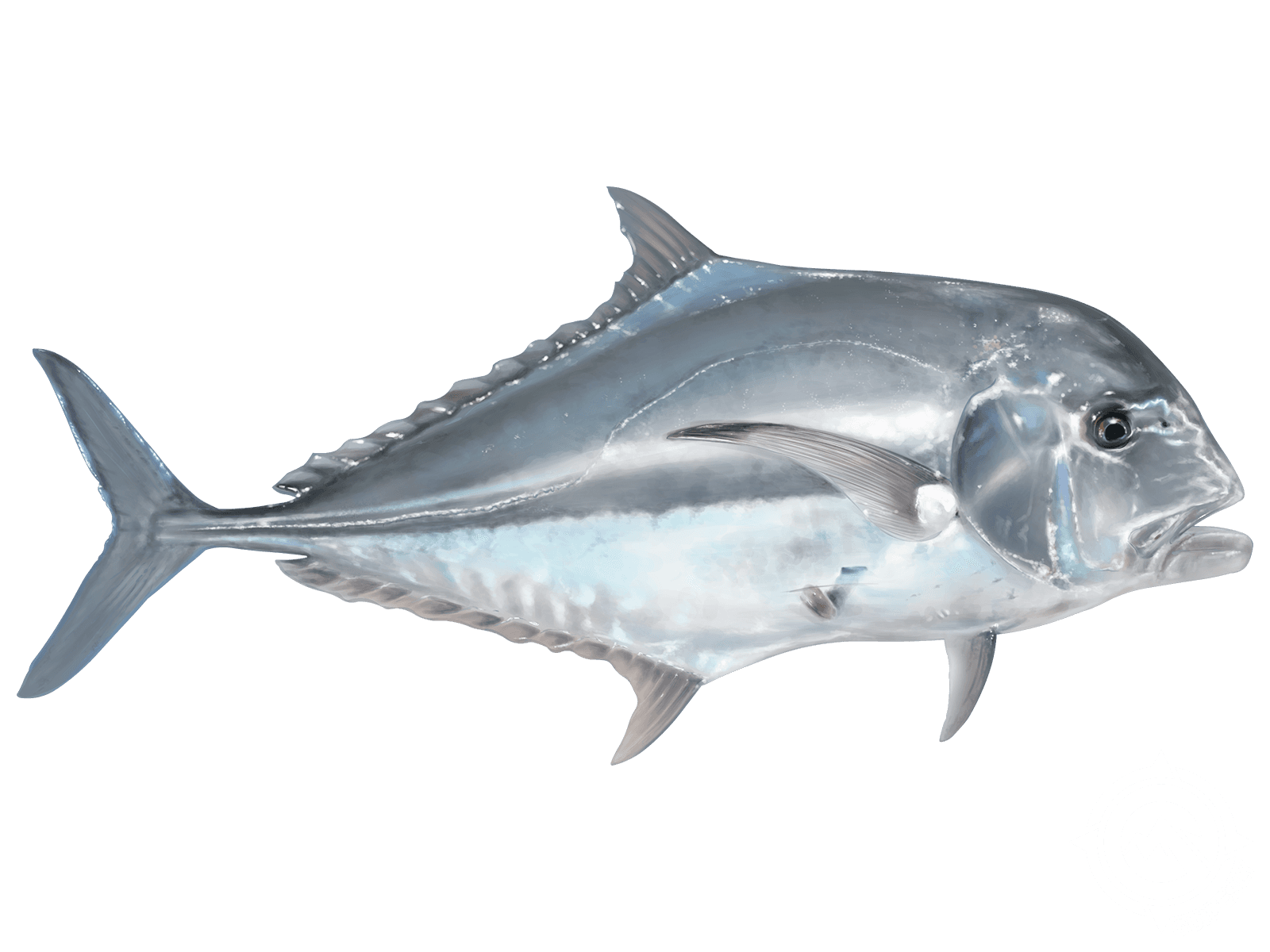
African Pompano Overview
The African Pompano (Alectis Ciliaris), also known as the pennant fish or threadfin trevally, is a sleek and powerful member of the Jack family (Carangidae) within the order Perciformes. These silvery, round-bodied fish are instantly recognizable by their distinctive appearance and remarkable speed, making them a thrilling target for anglers and a fascinating subject for marine enthusiasts alike. What sets the African Pompano apart is the dramatic transformation it undergoes from juvenile to adult—young fish display long, trailing filaments that gradually shrink and disappear as they mature, a natural metamorphosis that's nothing short of remarkable. Found in both shallow coastal waters and deeper offshore environments, this species has captured the imagination of fishing communities from Florida to beyond, with Daytona Beach and Key West becoming legendary hotspots for record-breaking encounters.
African Pompano Habitat and Distribution
African Pompano thrive in a variety of marine environments, showing a preference for waters ranging from 30 to 250 feet in depth. They are typically found close to the bottom in shallow parts of oceanic waters, though they're equally comfortable cruising offshore structures and reef systems where food is abundant. Juveniles tend to stay near shorelines, providing opportunities for younger anglers and observers to witness these developing fish in their early, diamond-shaped form. As they mature, they venture into deeper waters, establishing themselves as apex predators in their chosen territories. The species shows a strong affinity for areas with current, structure, and baitfish activity—hallmarks of productive fishing grounds throughout tropical and subtropical Atlantic waters.
African Pompano Size and Weight
African Pompano typically range from 20 to 39 inches in length, with weights generally between 15 to 20 pounds for commonly caught specimens. However, these fish have the potential to reach significantly larger proportions, as evidenced by impressive world records. The all-time weight record stands at an astounding 50 pounds 8 ounces, achieved in Daytona Beach, Florida, back in 1990—a testament to the trophy-class potential lurking in these waters. The length record of 39 inches was established in Key West, Florida, in 2011. These size variations reflect the species' growth potential and the exceptional fishing opportunities available in Florida's premier angling destinations. Anglers should be prepared for powerful runs and acrobatic displays, as these fish pack impressive strength relative to their weight.
African Pompano Diet and Behavior
As carnivorous hunters, African Pompano feed primarily on crustaceans and smaller fish, displaying the aggressive feeding behavior characteristic of the Jack family. They are fast-swimming, highly mobile fish capable of roaming over great distances in search of food and favorable conditions. What makes them particularly susceptible to angling is their attraction to shiny, moving objects—a behavioral trait that makes them responsive to both live bait and artificial lures. These fish are daylight hunters, actively patrolling reef structures and offshore banks where they ambush prey. Their predatory nature means they're constantly alert and opportunistic, making the moment of strike incredibly rewarding for anglers. Interestingly, African Pompano themselves face predation from larger apex predators, particularly large Tuna and Dolphins, which keeps them in a state of perpetual vigilance and contributes to their athletic, evasive swimming patterns.
African Pompano Spawning or Seasonal Activity
While detailed spawning information for African Pompano can be limited, these fish are most active during warmer months when water temperatures rise and baitfish populations are at their peak. Their migratory patterns often follow seasonal shifts in food availability and water conditions. Offshore reefs and structures become particularly productive during summer and early fall, when adult fish congregate in deeper waters. The transition seasons—spring and fall—often produce excellent bite windows as fish move between shallow and deep zones. Anglers targeting African Pompano should pay attention to seasonal patterns in their local waters, as understanding these rhythms can significantly improve success rates. Weather patterns, particularly those that stir up current and increase baitfish activity, tend to amplify feeding intensity.
African Pompano Techniques for Observation or Capture
Live Bait and Trolling: One of the most effective methods for targeting African Pompano involves live bait presentations or trolling with shiny, moving baits through known hotspots. Use mullet, mackerel, or herring on heavy-duty tackle rated for the species' powerful runs. Work reef structures, drop-offs, and current-swept areas where baitfish congregate. This technique works exceptionally well in depths between 40 and 150 feet.
Jig and Vertical Presentations: Since African Pompano are attracted to shiny, moving objects, vertical jigging with medium to heavy metal jigs produces excellent results, particularly over reef structures and offshore banks. Drop the jig to the bottom and work it with sharp, aggressive strokes. Around Key West and the Florida Keys, this technique has produced numerous trophy-class fish. The visual appeal of a flashing jig often triggers aggressive strikes from passing schools.
Popping and Surface Techniques: When fish are feeding near the surface or in shallower offshore zones, topwater poppers and surface plugs can generate exciting explosive strikes. This visual presentation capitalizes on the species' predatory instincts and their attraction to commotion. Early morning and late afternoon sessions often yield the best surface activity, particularly around structure and baitfish schools.
African Pompano Culinary or Utilization Notes
African Pompano is considered good eating with firm, white flesh that takes well to various cooking methods. The meat has a mild, pleasant flavor and is valued in both recreational and commercial fishing contexts. When properly prepared—grilled, baked, or pan-seared—African Pompano offers excellent table fare with good nutritional value, including quality protein and beneficial omega-3 fatty acids. However, due to their fighting ability and challenging capture, many anglers practice catch-and-release to preserve populations and maintain the exciting sport fishing opportunity. Whether you choose to keep or release your catch, handling these fish with care and respect ensures sustainable enjoyment of this remarkable species for future generations.
African Pompano Frequently Asked Questions
Q: What is the best bait or lure for catching African Pompano?
A: Live bait such as mullet, mackerel, or herring works exceptionally well, as does trolling with shiny presentations. Medium to heavy metal jigs are highly effective for vertical presentations over reefs and structures. The key is using something that moves and flashes—African Pompano are visual hunters attracted to prey that shows activity and shine.
Q: Where can I find African Pompano near Key West or Daytona Beach?
A: Both locations are legendary for African Pompano fishing. In Key West, focus on offshore reefs and structures in 60-200 feet of water. Around Daytona Beach, target deeper offshore banks and reef systems, particularly during summer and fall months. Charter services in both areas specialize in this species and can guide you to productive grounds.
Q: Is African Pompano good to eat?
A: Yes, African Pompano has excellent table quality with firm, white flesh and a mild flavor. Many anglers enjoy preparing it grilled, baked, or pan-seared. However, catch-and-release is increasingly popular to maintain the sport fishing opportunity and support sustainable populations.
Q: When is the best time to catch African Pompano?
A: Summer through early fall typically offers peak activity, with warm water temperatures triggering aggressive feeding. Early morning and late afternoon sessions often produce the best results. Weather patterns that create current and increase baitfish activity generally enhance bite quality regardless of season.
Q: How do I identify a juvenile African Pompano compared to an adult?
A: Juveniles display a distinctive diamond shape and possess long, trailing filaments that gradually shrink and disappear as the fish matures. Young fish are typically found close to shore in shallower water, while adults inhabit deeper offshore environments.
Q: What size African Pompano should I expect to catch?
A: Common catches range from 15 to 20 pounds and 20 to 39 inches in length. However, trophy specimens significantly exceed these averages, with the world record standing at an impressive 50 pounds 8 ounces. Persistence, proper technique, and fishing during peak seasons increase your chances of landing a truly exceptional fish.